
One-stop supplier of jackets
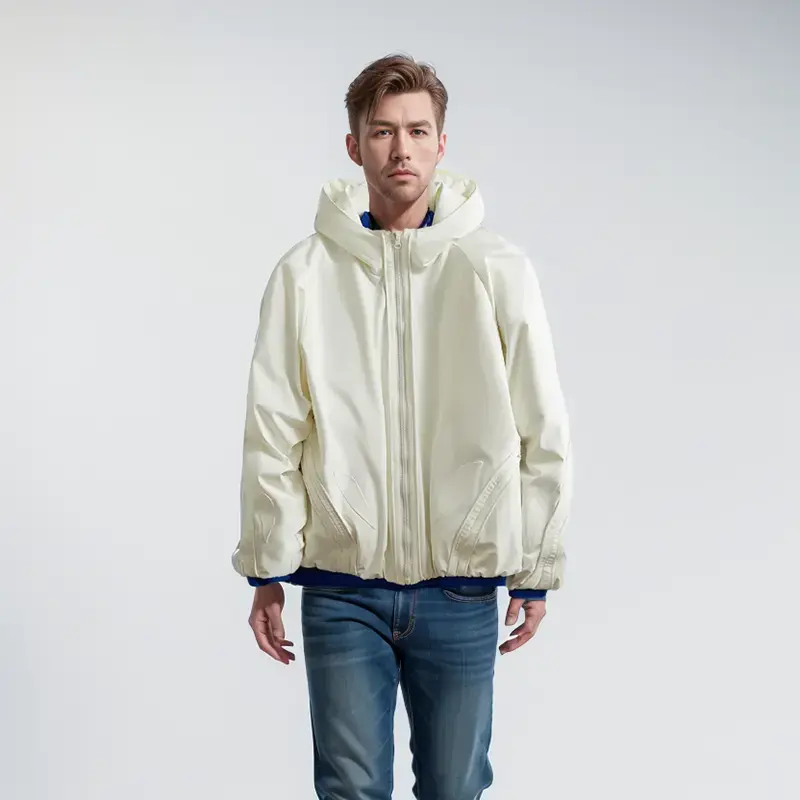
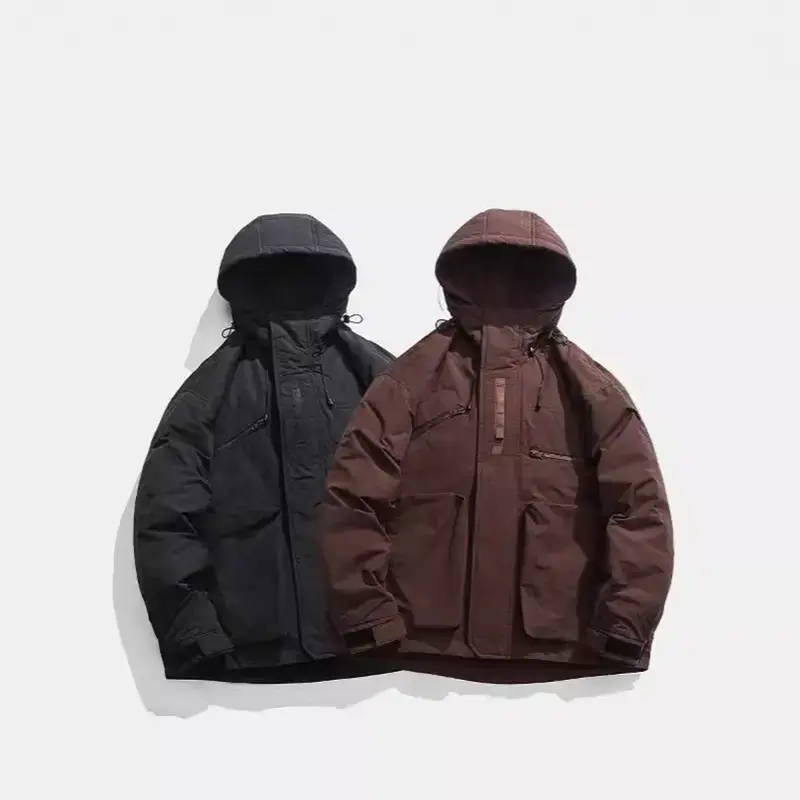
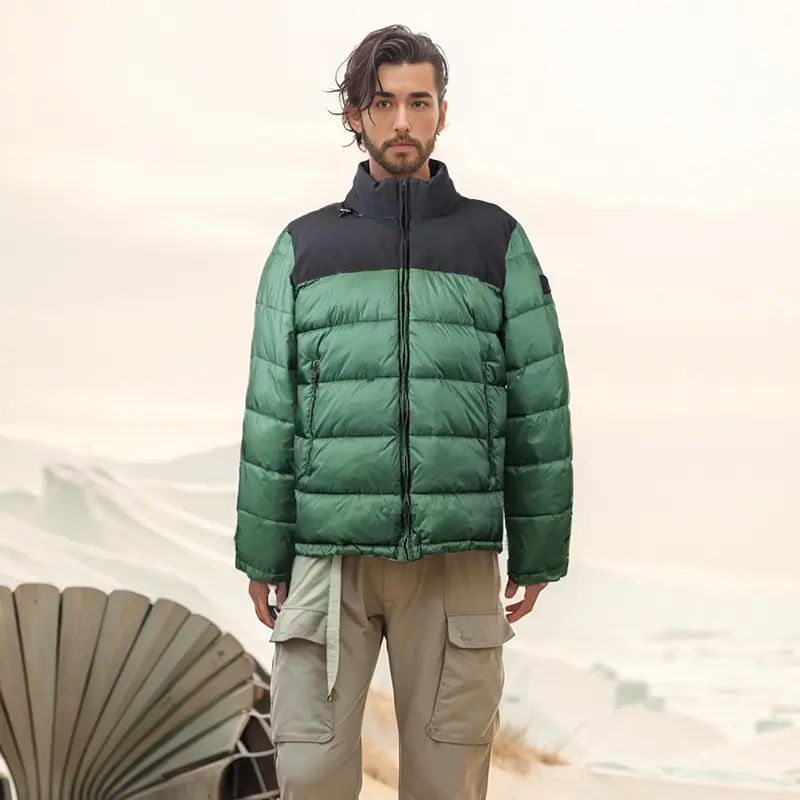
Mountaineering Jacket Purchasing Standards: Balancing Cold Resistance and Breathability
Mountaineering Jacket Purchasing Standards: Balancing Cold Resistance and Breathability
For outdoor equipment buyers, the core value of a mountaineering jacket lies beyond simply being "warmth" or "breathability," but rather a dynamic balance between cold resistance and breathability in complex mountain environments. Whether engaged in high-altitude mountaineering, winter hiking, or polar expeditions, unbalanced performance design directly impacts the end-user experience and safety. Overemphasizing cold resistance can lead to excessive sweating and heat buildup during exercise, while solely pursuing breathability can compromise insulation in low-temperature environments. This article will analyze the core indicators, balance logic, and practical purchasing standards for cold resistance and breathability from a procurement perspective, helping buyers accurately select mountaineering jackets that meet target market needs.
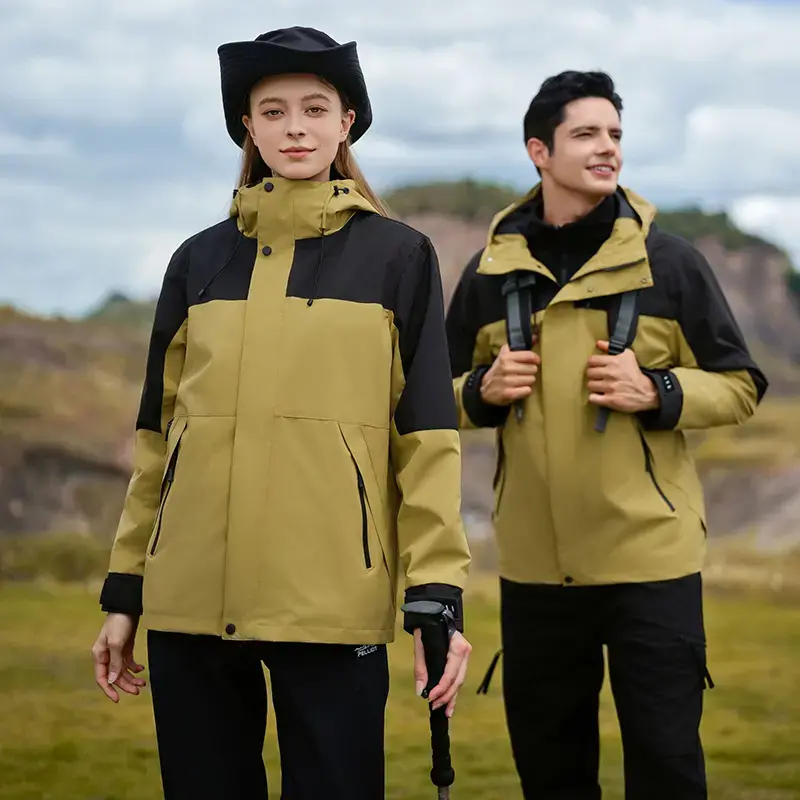
I. Understanding Cold Resistance Before Purchasing: It's Not Just "Warmth," It's "Controllable Warmth"
Cold resistance isn't simply about "higher," but about matching the temperature range and activity intensity of the specific mountaineering scenario. Professional buyers should focus on three key dimensions: fill type, thermal performance, and windproof and heat-locking design, avoiding the misconception that "higher fill volume equals warmer."
1. Core Cold-Resistant Materials: Procurement and Selection of Down and Synthetic Cotton
The cold-resistance mechanisms and application scenarios of different filling materials vary significantly, directly determining product positioning and cost.
Down filling: The key indicators are "fill power" and "down content." A higher fill power (e.g., 700FP or 800FP) traps more air per unit weight, resulting in greater cold-resistance, making it suitable for high-altitude, low-temperature environments ranging from -15°C to -30°C. The down content must be ≥85% (referring to the percentage of down, with the remainder being feathers). A lower down content will affect uniform warmth. When purchasing, request a third-party testing report (such as from the International Down and Feather Bureau IDFB) from the supplier to avoid false fill power claims.
Synthetic cotton filling: Technologies such as PrimaLoft and Thermolite offer advantages, such as maintaining over 70% warmth even in humid conditions, quick drying, and easy care. They are suitable for rainy and snowy mountain environments with temperatures ranging from -5°C to -15°C. When purchasing, focus on "gram weight (g/㎡)." Generally, 100-150g/㎡ is suitable for moderate cold resistance, and 150-200g/㎡ is suitable for severe cold resistance. The selection should be based on the climate characteristics of the target market.
2. Quantitative Standards for Cold Resistance: Look for International Testing and Certification
Professional buyers should base their purchases on international standards rather than relying on the supplier's subjective specifications.
Temperature Rating Standards: Refer to the European EN 342 "Protective Clothing - Cold Protection Clothing," which categorizes cold protection levels into four levels: X0 (-5°C to 0°C), X1 (-10°C to -5°C), X2 (-20°C to -10°C), and X3 (≤-20°C). When purchasing, be sure to clearly identify the corresponding EN 342 rating of the product to ensure it matches the target market's usage scenarios.
Assisted Windproofing: Cold resistance is premised on "locking in warmth," and windproofing is key to this. Product fabrics must pass the EN 14604 "Protective Clothing - Windproof Clothing" test to ensure wind resistance of 5 m/s or higher (i.e., resistance to wind speeds of 5 m/s). Furthermore, the "triple thermal lock" design (e.g., elastic wind cords, Velcro, and drawstrings) at the collar, cuffs, and hem should be inspected to prevent cold air from entering.
II, "Breathability": It's not about "breathability," but "breathability on demand"
During mountaineering, the human body sweats 200-500 ml per hour. If breathability is insufficient, sweat condenses inside the fabric, causing not only stuffiness and discomfort but also significantly reducing resistance to cold (the risk of hypothermia increases threefold in cold and humid environments). When purchasing breathability, focus on three key dimensions: "breathability principle," "quantitative indicators," and "scenarios."
1. The Core of Breathability Technology: Synergy Between Film and Fabric Structure
Currently, mainstream breathability technologies are categorized as "microporous films" and "hydrophilic films." When purchasing, choose one based on the target user's activity intensity.
Microporous film technology, represented by products like Gore-Tex and EVENT, achieves "breathability without leaking" through micron-sized pores (0.1-0.5μm in diameter) on the fabric surface. Perspiration vapor escapes through the pores, while rainwater (≥20μm in diameter) is prevented from entering. This technology offers stable airflow and is suitable for medium- to high-intensity mountaineering (such as day hikes and ice climbing). When purchasing, be sure to check the film's moisture vapor transmission rate (MVTR). High-quality products should have an MVTR of ≥10,000g/㎡/24h (meaning that each square meter of fabric can transmit 10,000 grams of water vapor in 24 hours). Hydrophilic membrane technology: Representative products include Omni-Tech and Hyvent. Hydrophilic groups within the membrane absorb sweat vapor and transfer it to the outer surface of the fabric through concentration differences. This technology is low-cost and its breathability is less affected by ambient humidity, making it suitable for low-intensity hiking (such as casual hiking and urban hiking). When purchasing, pay attention to the "RET value" (water vapor resistance). A RET value of ≤6 (m²・Pa/W) indicates high breathability, while a value of 6-13 indicates moderate breathability. The selection should be based on the target user's activity intensity.
2. Contextually tailor breathability: Avoid a "one-size-fits-all" approach. Breathability requirements vary significantly across different hiking scenarios. When purchasing, consider tailored selection rather than simply pursuing "high breathability." High-altitude mountaineering (above 4,000 meters): Due to high activity intensity and high perspiration, microporous membrane technology (such as Gore-Tex Pro) with an MVTR of ≥15,000 g/m2/24 hours is recommended to ensure continuous and high perspiration excretion.
Low-intensity winter hiking (below 2,000 meters): Due to low activity intensity and low perspiration, but low ambient temperatures, a balance between breathability and cold resistance is required. Hydrophilic membrane technology (such as Omni-Tech) is recommended, with a RET value between 8-10 to avoid excessive breathability and heat loss.
For rainy and humid environments: Prioritize a combination of breathability and quick drying. Choose fabrics with a surface treatment that is water-repellent (DWR). Also, consider a mesh inner layer to minimize direct contact between sweat and the fabric and accelerate evaporation.
III. Core Purchasing Principle: A "Dynamic Balance" of Cold Resistance and Breathability
The core task for professional buyers is to determine whether a product achieves a balance between cold resistance and breathability through "design optimization," rather than simply adding two indicators. The following three key balancing strategies are key criteria for selecting high-quality mountaineering jackets.
1. Layered Design: Adjustable Warmth and Breathability
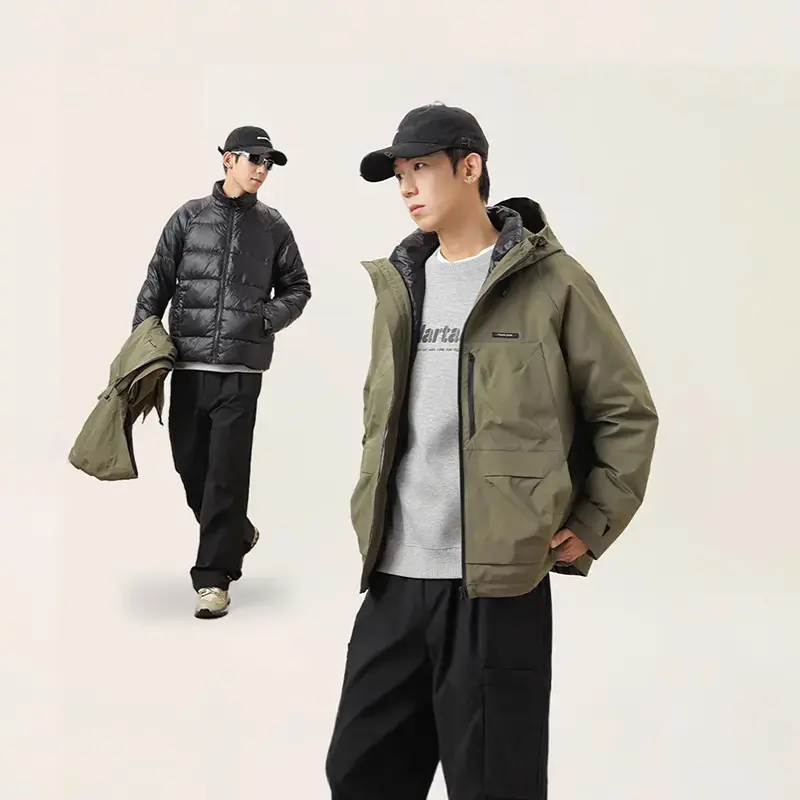
High-quality mountaineering jackets typically feature a three-layer design, combining different layers to meet performance requirements in different environments. When purchasing, it's important to examine the layering logic:
Outer Layer (Protective Layer): Serves as a windproof, waterproof, and basic breathable layer. Fabrics that pass the EN 14604 windproof test and the EN 388 abrasion resistance test should be selected to ensure durability and protection.
Mid-Layer (Insulation Layer): Removable design is key. When stationary in low temperatures (such as resting or camping), attach the mid-layer (down or synthetic) for added cold resistance. During activity, remove the mid-layer, leaving only the outer layer in place for improved breathability. When purchasing, check for quick-release features (such as zippers or snaps) on the midlayer to ensure easy access.
For the inner layer (the base layer), it's recommended to choose a moisture-wicking polyester fabric, avoiding cotton (which absorbs sweat and doesn't dry easily, exacerbating dampness and chills). Some high-end products feature an antibacterial silver ion coating on the inner layer to reduce post-workout odor, which can be a valuable selling point.
2. Intelligent Temperature Control Technology: Adapting Performance to the Environment
With technological advancements, some brands have introduced "intelligent balancing" technologies, which should be prioritized when purchasing to enhance product competitiveness:
Phase Change Material (PCM) Application: Phase change microcapsules (such as paraffin-based materials) are added to the fabric interlayer. When the temperature rises (such as during exercise), the microcapsules absorb heat and melt. When the temperature drops (such as during rest and cooling), the microcapsules release heat and solidify, automatically regulating body surface temperature. This is suitable for mountain environments with large temperature fluctuations.
Zoning Design: Highly breathable fabrics (such as mesh and high MVTR films) are used in areas prone to sweating (such as the underarms and back), while highly cold-resistant fabrics (such as high-loft down and thickened synthetic cotton) are used in areas prone to heat loss (such as the chest and abdomen). This provides "localized reinforcement" to avoid overall performance imbalances.
3. Scenario-Based Certification: Data-Backed "Balance"
In addition to separate cold-weather and breathability certifications, some international standards have introduced tests for "balanced performance," which can serve as a key reference when purchasing:
Bluesign®: This certification not only focuses on environmental protection but also assesses a product's "functional balance." Bluesign-certified mountaineering jackets must have a cold-weather rating and breathability matching of at least 80%, ensuring there's no "excessive cold-weather resistance and insufficient breathability," or vice versa.
User Scenario Test Reports: Suppliers are required to provide real-world scenario test data (e.g., changes in body surface temperature and internal humidity after a one-hour hike at -10°C and a wind speed of 3m/s). The more specific the data, the more reliable the verification of performance balance.
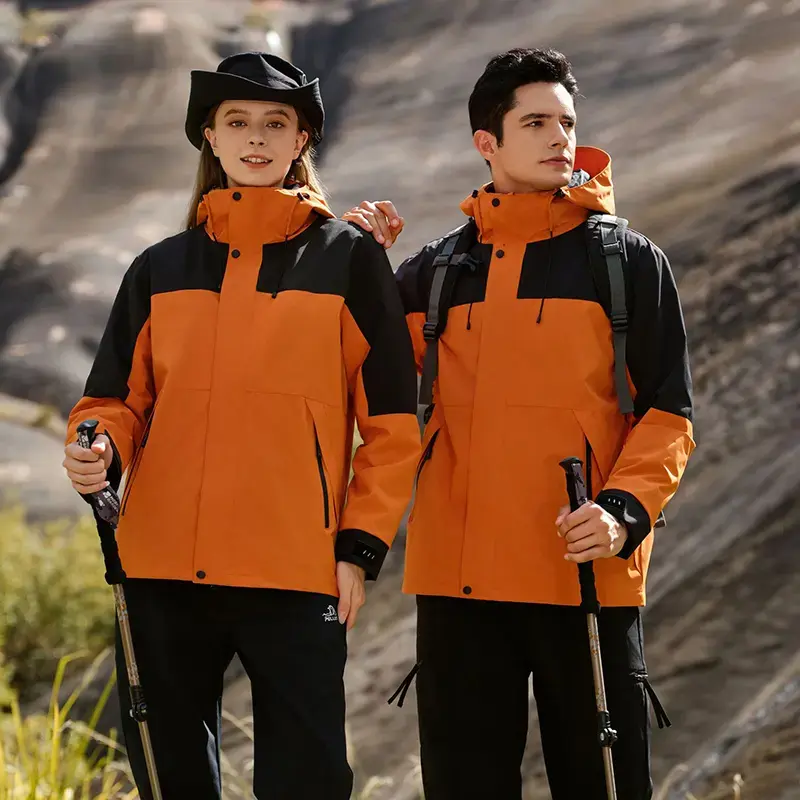
IV. Practical Procurement Recommendations: From "Indicator Screening" to "On-Site Verification"
Professional buyers should follow a four-step process: "Clarifying Requirements → Selecting Indicators → Sample Testing → Supply Chain Verification" to ensure their mountaineering jackets meet "balanced standards" while mitigating partnership risks.
1. Step 1: Identify the "Scenario Needs" of the Target Market
Before selecting products, clearly define the user profile and usage scenarios to avoid blind purchasing:
If the target market is in polar regions such as Northern Europe and Canada, prioritize products with EN 342 X3 cold resistance (≤-20°C) and an MVTR ≥ 12,000g/m2/24h.
If the target market is in temperate mountainous regions such as Japan and South Korea, select products with EN 342 X1-X2 cold resistance (-20°C to -5°C) and an MVTR ≥ 10,000g/m2/24h.
If the target market is primarily recreational mountaineering, the cold resistance level can be appropriately lowered (EN 342 X0-X1), focusing on breathability and lightweighting (unit weight ≤ 800g).
2. Step 2: Sample Testing: Replace Verbal Promises with Actual Measurements
After receiving samples from suppliers, two core tests are required to verify performance:
Simple Cold Resistance Test: Wrap the sample with a thermometer and place it in a -10°C refrigerator (or simulated low-temperature environment). After 30 minutes, observe the thermometer reading. If the temperature drops by ≤2°C, the thermal insulation performance is satisfactory.
Simple Breathability Test: Cover the fabric with a cup filled with hot water (40°C) and place a dry glass upside down on top. After 5 minutes, observe the amount of water mist on the inner wall of the glass. The more water mist, the better the breathability. (Comparisons of different samples must be conducted under the same conditions to ensure fairness.)
3. Step 3: Supply Chain Verification: Ensure "Batch Quality" and "Indicator Consistency"
A qualified sample does not guarantee a qualified batch. Quality control must be implemented throughout the supply chain:
Raw Material Traceability: Require suppliers to provide purchase receipts and certification reports (such as IDFB down certification or Gore-Tex authorization) for filling (down/synthetic cotton) and membranes to prevent "passing off inferior goods as superior goods."
Production Process Inspection: Inspect the factory on-site (or request a production video), focusing on the "taping" process at the seams. Seams between cold-resistant and breathable fabrics must be waterproof taped (width ≥ 13mm) to ensure no leaks or bubbles, preventing moisture from seeping through the seams.
After-Sales Guarantee Agreement: Clearly include a "performance warranty" in the purchase contract. If problems such as "cold-resistant performance not meeting standards" or "breathability failure" are encountered during user use, the supplier will be responsible for returns and exchanges, reducing the risk of end-user complaints.
Conclusion: Balance is the core competitive advantage of mountaineering jacket procurement.
For buyers, the essence of choosing a mountaineering jacket is to select a "performance solution that adapts to the environment" for the target user. The cold resistance level determines the product's "lower limit of use" (whether it can cope with low temperatures), and the breathability determines the product's "upper limit of experience" (whether it can maintain comfort). The balance between the two determines the product's market competitiveness.