
One-stop supplier of jackets

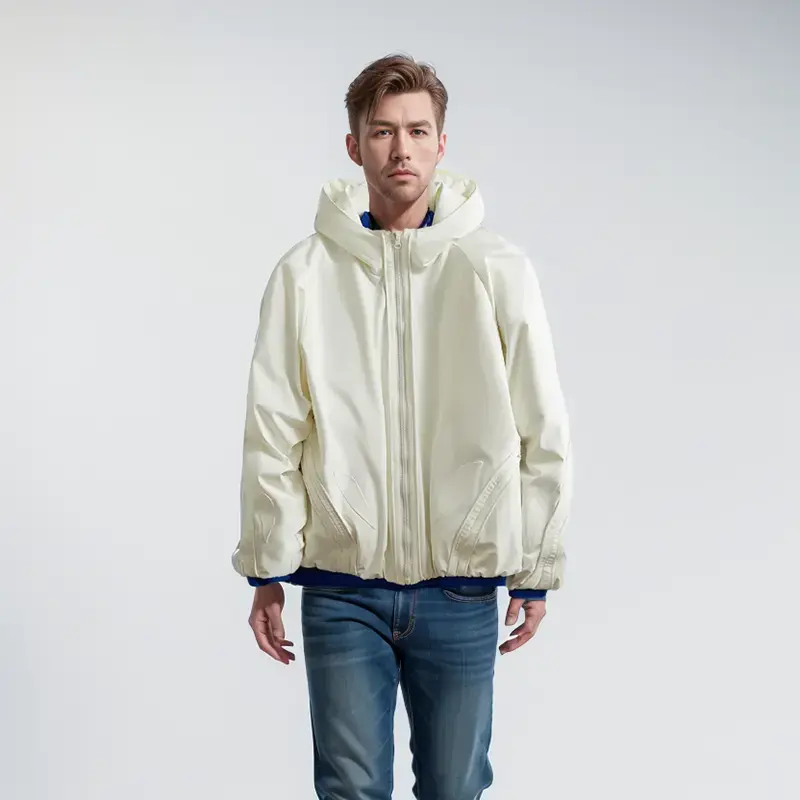
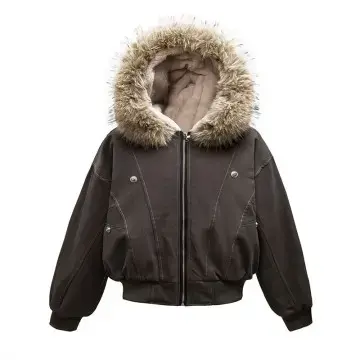
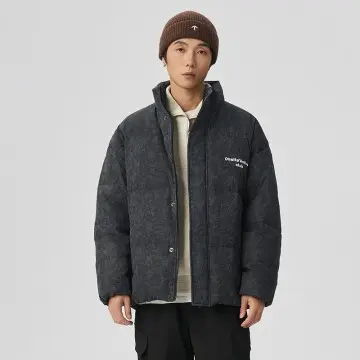
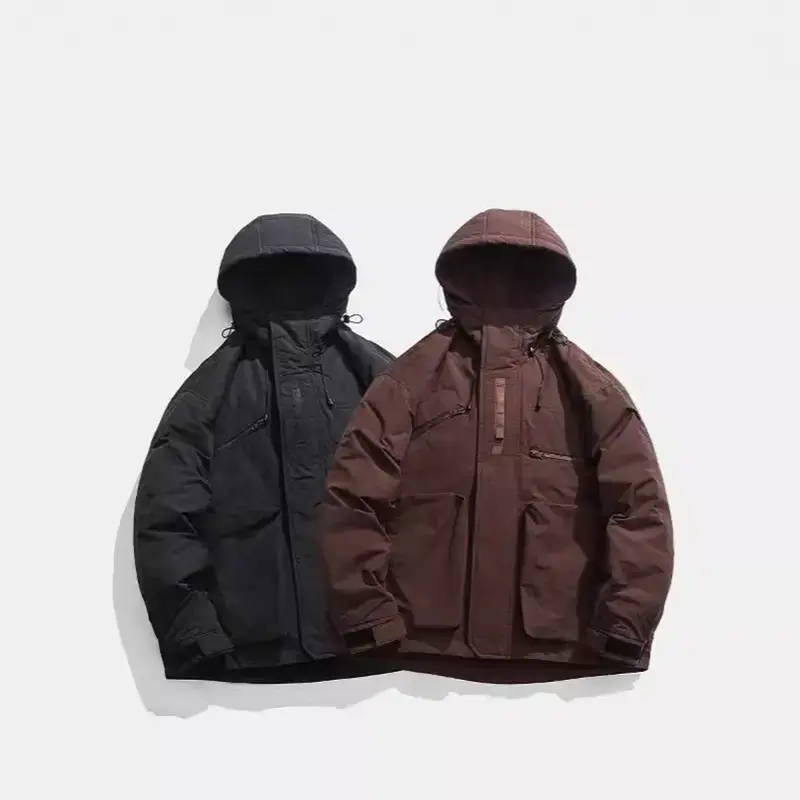
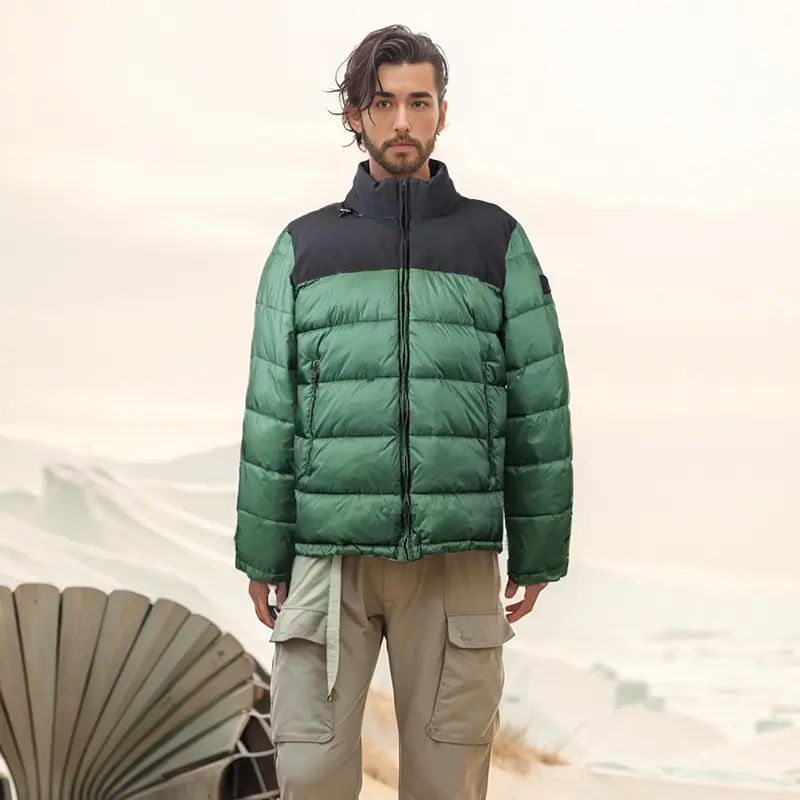
Multi-Style Mixed Wholesale Guide: Procurement Ratios to Reduce Inventory Risk
Multi-Style Mixed Wholesale Guide: Procurement Ratios to Reduce Inventory Risk
The Core Value of Multi-Style Mixed Wholesale of Jackets: Why it's the Optimal Solution for Inventory Risk Control
Essential Before Mixed Wholesale: 3 Types of Market Demand Research to Identify Procurement Direction
Scientific Classification of Jacket Styles: Dividing Mixed Wholesale Pools by "Popularity + Target Audience + Scenario"
Procurement Ratio Formula for Reducing Inventory Risk: The Golden Ratio of Bestsellers, Potential Items, and Long-Tail Items
Mixed Wholesale Order Execution Techniques: Minimum Order Quantity, Replenishment Rhythm, and Dynamic Inventory Balance
1. The Core Value of Multi-Style Mixed Wholesale of Jackets: Why it's the Optimal Solution for Inventory Risk Control
Consumer demand for jackets is extremely diverse, ranging from workwear, casual, and commuter styles to functions such as windproofing, warmth, and waterproofing, as well as differences in size and color. Purchasing a single style easily leads to the dilemma of "either out of stock or overstocking." The core value of multi-style mixed wholesale is precisely to reduce the inventory risk of a single category through "diversified procurement."
Balancing Supply and Demand: Avoiding large-scale unsold stock of a particular jacket due to misjudgment, while offering a variety of styles to meet the immediate needs of different users and reduce customer churn caused by limited style options.
Reducing Capital Tiering: Instead of concentrating capital on a few products, it can be distributed across multiple potential styles, improving capital turnover and making cash flow more flexible.
Testing Market Feedback: Mixed batches are essentially low-cost "market testing." Sales data from different styles quickly identifies potential best-selling products, providing data support for subsequent centralized procurement.
Enhancing Store Competitiveness: A wider selection of styles enhances the attractiveness of the independent website, giving users more room for comparison and choice, thereby increasing conversion and repurchase rates.

2. Essential Before Mixed Batching: 3 Types of Market Demand Research to Identify Procurement Direction
Mixed batching is not about "blindly buying more styles," but rather precise decision-making based on data. Market research before procurement ensures that the mixed batch ratio better matches user needs, reducing inventory risk from the source.
Data Analysis Tools: Utilize visitor behavior data from independent website backends (such as Shopify, Shopline) to analyze user search keywords (e.g., "winter thick jacket," "American Workwear Jacket"), browsing time, and add-to-cart history to clarify user preferences for style and function.
Competitor and Industry Insights: Observe best-selling lists from similar jacket independent websites and platforms like Amazon, focusing on styles with "high sales volume + good reviews," summarizing their commonalities (e.g., color, fit, price range); simultaneously refer to industry trend reports to predict the popular elements for the next quarter (e.g., the oversized fit and eco-friendly fabrics popular in 2024).
Direct User Feedback: Collect user specific needs regarding jacket styles, sizes, and functions through inquiries on the independent website, email surveys, and social media interactions (e.g., Instagram, Facebook groups), such as whether they need plus-size options or value detachable hoods.
3. Scientific Categorization of Jacket Styles: Divide the batch pool according to "popularity + target audience + scenario"
The premise of batch categorization is clear categorization of styles to avoid a "one-size-fits-all" approach. We recommend categorizing products into three dimensions: "Popularity Level + Core Audience + Usage Scenarios," to create a structured mixed-market pool.
By Popularity Level:
**Bestsellers:** Industry-proven bestsellers (e.g., classic MA-1 bomber jackets, basic Denim Jackets), with high user acceptance and minimal risk.
**Potential Bestsellers:** Styles that align with current trends but haven't yet fully taken off (e.g., commuter jackets combining outdoor functionality, retro corduroy jackets), with the potential to become bestsellers.
**Long-Tail Bestsellers:** Unique styles targeting niche needs (e.g., oversized graffiti jackets, minimalist collarless jackets), with a narrow audience but high loyalty.
By Core Audience:
Men's Styles: Emphasizing a rugged silhouette and practical functionality (e.g., multi-pocket work jackets, windproof parkas).
Women's Styles: Balancing style and comfort (e.g., fitted cropped jackets, soft shearling jackets).
Unisex Styles: Gender-neutral designs suitable for a wider range of people (e.g., basic baseball jackets, loose-fitting jackets).
Categorized by Usage Scenarios:
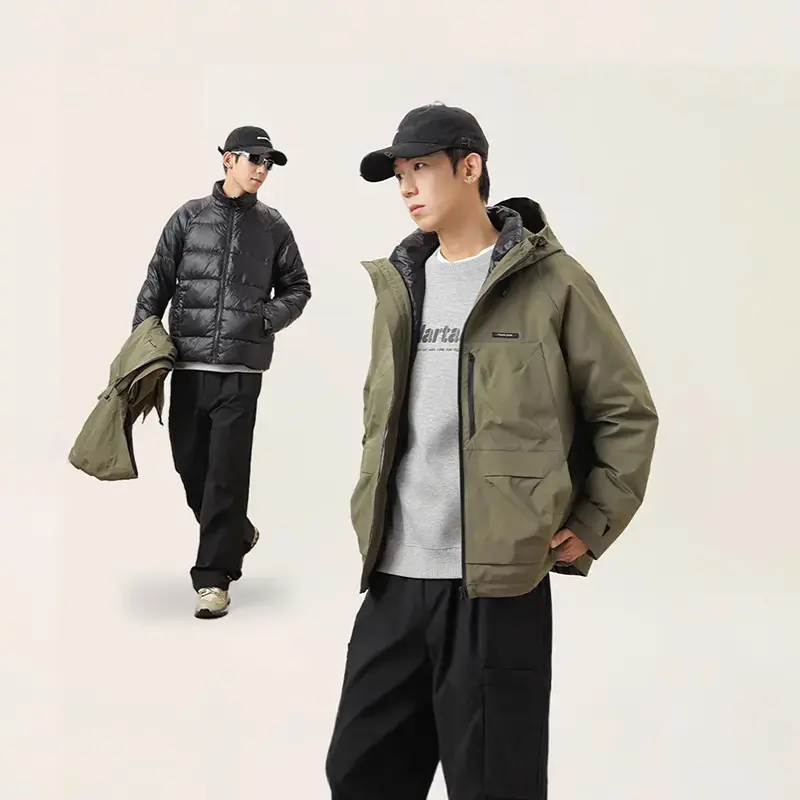
* Daily Commuting Styles: Lightweight and versatile, suitable for urban travel (e.g., lightweight windbreakers, knitted jackets).
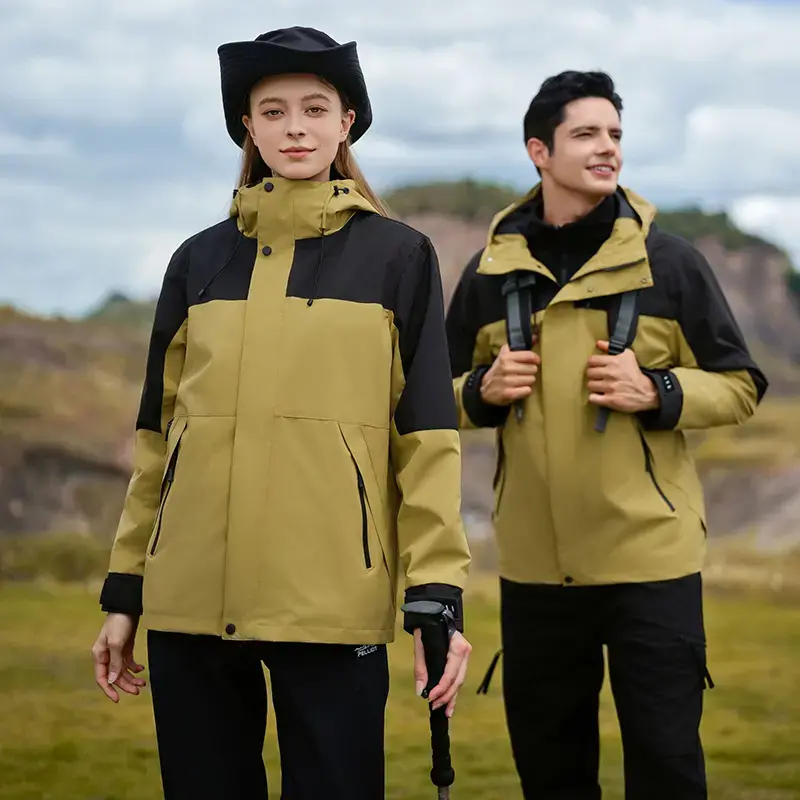
* Outdoor Functional Styles: Windproof, waterproof, and warm, suitable for camping and hiking (e.g., waterproof jackets, down-lined jackets).
* Trendy and Individualistic Styles: Strong design sense, suitable for young users (e.g., patchwork jackets, printed jackets).
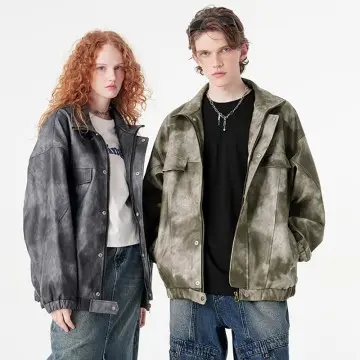
4. Procurement Ratio Formula for Reducing Inventory Risk: The Golden Ratio of Bestsellers, Potential Items, and Long-Tail Items
Based on the above categorization and considering the sales characteristics of jackets, the following "golden procurement ratio" is recommended, which can be flexibly adjusted according to the independent website's positioning and market feedback.
Core Ratio: Bestsellers (40%) + Potential Items (35%) + Long-Tail Items (25%)
* Bestsellers (40%): As the "traffic driver" and "profit cornerstone," ensuring basic sales volume. Procurement volume can be referenced from the monthly sales data of best-selling items in the industry, reserving 10%-15% safety stock to avoid stockouts.
Potential bestsellers (35%): Serving as a "growth engine," focus on testing market response. Purchase volume should be controlled at 50%-70% of bestsellers. If the conversion rate exceeds 3% within 7-10 days after listing, quickly replenish stock to upgrade to a "near-bestseller."
Long-tail bestsellers (25%): Serving as a "differentiated supplement," satisfying niche needs. Purchase volume for a single item should not be too high (ideally no more than 30% of bestsellers). A multi-item, small-quantity layout avoids stockpiling of a single long-tail item.
Supplement ratio: Adjusted according to scenario/target audience
If the independent website focuses on an outdoor style, increase the proportion of outdoor functional items to 50%, commuter items to 30%, and trendy items to 20%.
If targeting a young, trendy demographic, increase the proportion of long-tail items to 35%, and reduce bestsellers to 30%, emphasizing differentiation.
New sellers can initially adopt a conservative ratio: bestsellers 50%, potential bestsellers 30%, long-tail bestsellers 20%, reducing trial-and-error costs.
5. Mixed Batch Order Execution Techniques: Minimum Order Quantity, Replenishment Schedule, and Dynamic Inventory Balancing
A scientific purchasing ratio needs to be combined with efficient order execution to truly achieve controllable inventory risk. The following techniques can help you optimize the mixed batch process:
Minimum Order Quantity Negotiation: Communicate with suppliers regarding the "minimum order quantity for mixed batches of multiple styles," striving for the lowest possible minimum order quantity per style (e.g., 50 pieces per style). Once the total order quantity reaches the minimum, you can enjoy wholesale pricing, reducing inventory pressure per style.
Semi-Packed Delivery Strategy: Instead of receiving all mixed batch styles at once, deliver them in 2-3 batches. First, stock best-selling styles and some potential styles, adjusting the styles and quantities of subsequent batches based on sales data.
Replenishment Timing Control: Set an inventory warning line. Replenishment should begin when the inventory of best-selling items falls below 50% of the safety stock, with the replenishment quantity being 1.2 times the sales volume of the previous 30 days. If sales of potential best-selling items continue to grow, the replenishment quantity can be gradually increased to the level of best-selling items. If long-tail items sell less than 5 units within 15 days of being listed, replenishment can be suspended or the items cleared out.
Dynamic Inventory Adjustment: Regularly (e.g., monthly) analyze the inventory turnover rate of each style. Clear out slow-moving items (turnover rate less than 1 time/month) through "combo deals" and "limited-time discounts," reinvesting the recovered funds into best-selling items.