
One-stop supplier of jackets
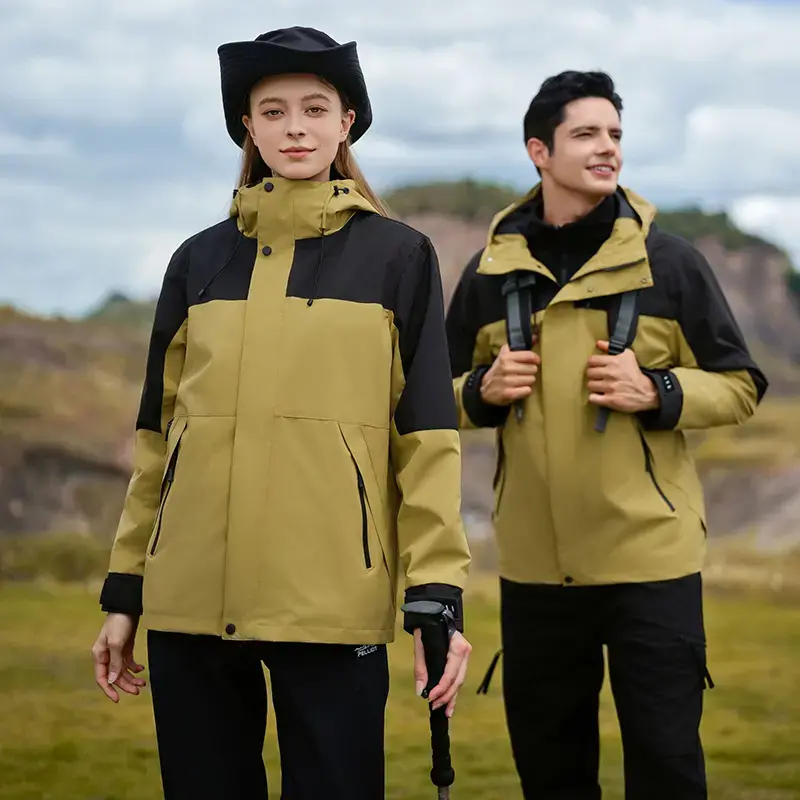

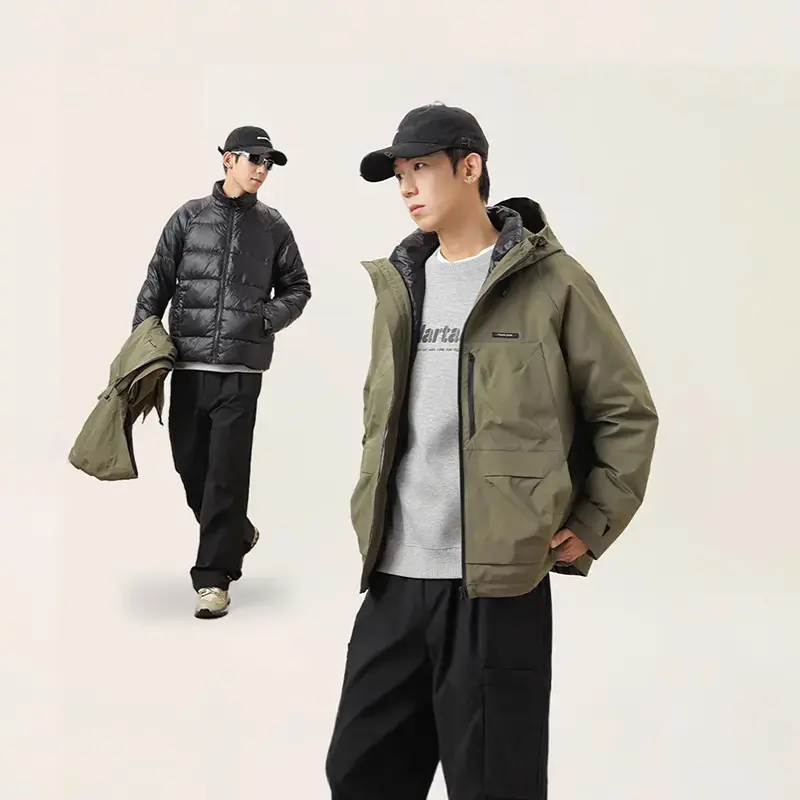

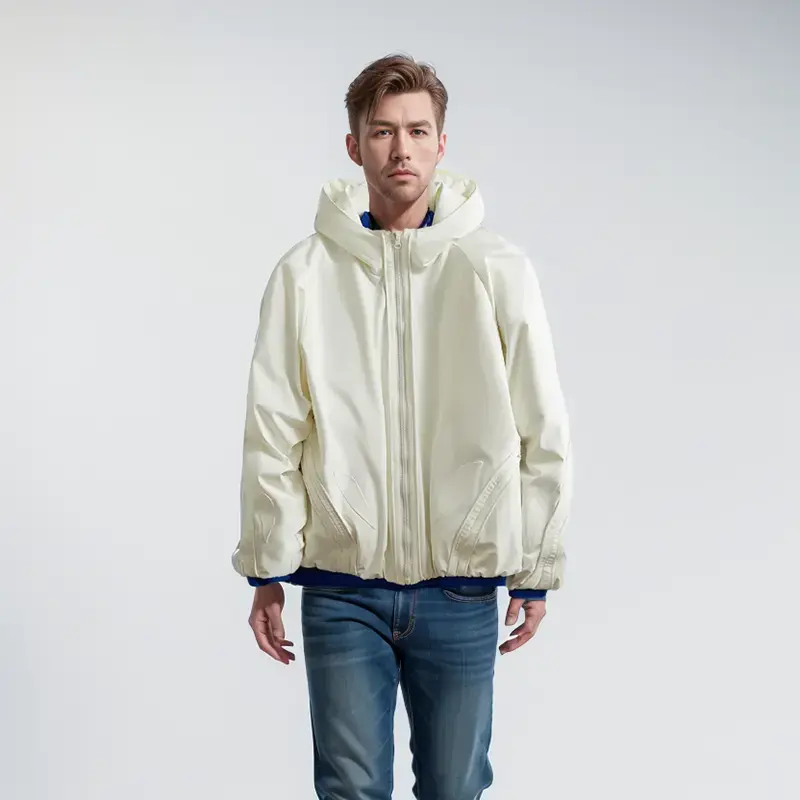
New EU Environmental Regulations: Purchases of Recycled Jackets Double
New EU Environmental Regulations: Purchases of Recycled Jackets Double
Against the backdrop of rising global environmental awareness, the EU, as a pioneer in environmental policy, has continuously introduced a series of stringent regulations aimed at driving the transition of various industries towards sustainability. Recently, a notable market shift has attracted widespread attention: under the influence of new EU environmental regulations, the purchase of recycled jackets has doubled. This phenomenon not only reflects the strong guiding effect of regulations on the market but also reveals a significant shift in the apparel industry's path towards sustainability.
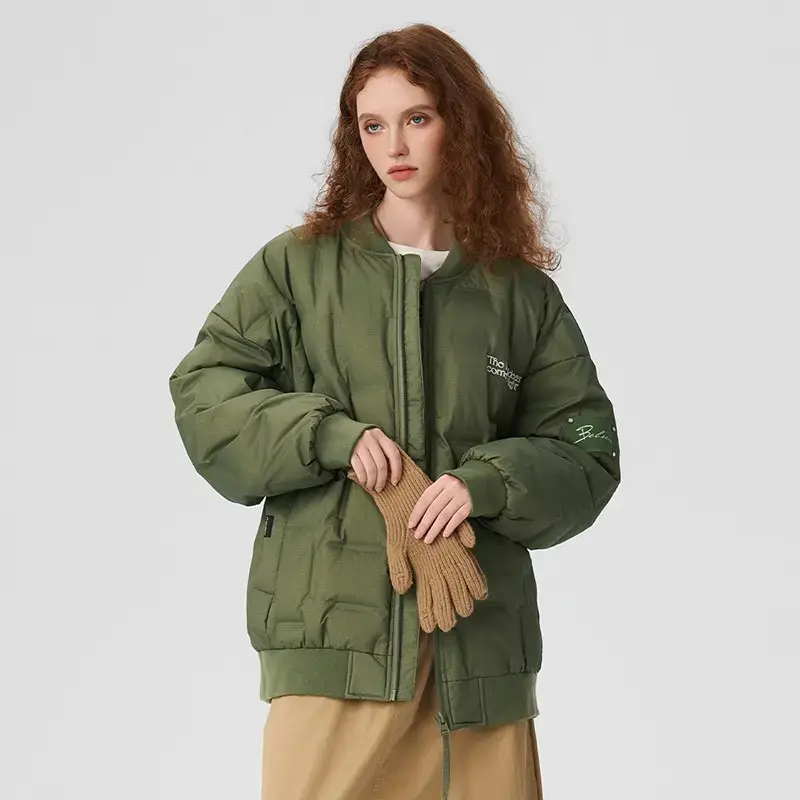
Overview of New EU Environmental Regulations
Packaging and Packaging Waste Regulation (PPWR)
On January 22, 2025, the European Council formally adopted the PPWR, which will be fully implemented 18 months after its publication (August 12, 2026). The regulation sets strict requirements for packaging reduction, the use of recycled materials, and recyclability. For example, packaging use must be reduced by 5% by 2030, 10% by 2035, and 15% by 2040. Regarding the use of recycled materials, by 2040, single-use plastic beverage bottles must contain 65% recycled content, PET contact-sensitive packaging must reach 50%, and other packaging must reach 65%. The implementation of this regulation has significantly increased demand for recycled materials across the supply chain, inevitably impacting the apparel industry.
Eco-Product Design for Sustainable Products (ESPR)
The ESPR, adopted in April 2024, further strengthens the focus on the entire product lifecycle. The textile industry, due to environmental issues such as wastewater treatment and chemical use, is included in the scope of the ESPR. This regulation, through the Digital Product Passport (DPP), considers product circularity and sustainability, promoting a green transition within the supply chain. Jacket manufacturers are required to meet higher environmental standards throughout the entire process, including raw material selection, production processes, and product recycling.
Other Related Regulations
The EU has also issued regulations such as the "EU Strategy for Sustainable and Circular Textiles," which prohibits the use of plastic bottles produced through physical recycling methods in textile fiber production, regulating the use of recycled materials from the source. At the same time, the EU Waste Shipment Regulation (EU) 2024/1157, which restricts the export of waste plastics, has impacted the global supply chain for recycled materials, forcing EU companies to rely more heavily on local recycled material resources.
Analysis of the Growth in Recycled Jacket Purchases
Company Compliance Driven by Regulations
Faced with stringent EU environmental regulations, apparel companies are forced to actively adjust their product strategies to maintain market access. Using recycled materials in Jacket Production has become a key measure to meet regulatory requirements. For example, some major apparel brands are sourcing large quantities of jackets made from recycled polyester and recycled cotton to meet their recycling targets for packaging and products. These brands recognize that only by being proactive in adapting to regulatory changes can they gain a competitive advantage.
Market Demand Shifts Driven by Growing Consumer Environmental Awareness
As consumer awareness continues to rise, especially in the EU, consumers are increasingly inclined to purchase products with environmentally friendly attributes. According to a survey, over 70% of EU consumers consider environmental factors when purchasing clothing. Recycled jackets, with their environmentally friendly characteristics, cater to this consumer trend. Consumers are willing to pay a higher price for such products, prompting companies to increase their sourcing and production of recycled jackets to meet market demand.

Advances in Recycled Material Technology and Cost Optimization
Recycled material technology has made significant progress in recent years. On the one hand, the quality of recycled materials has continued to improve, with performance gradually approaching or even surpassing that of traditional virgin materials. For example, recycled polyester fiber excels in strength and abrasion resistance, fully meeting the production needs of jackets. On the other hand, with the maturity of technology and the expansion of production scale, the cost of recycled materials has gradually decreased. According to industry data, the production cost of recycled polyester fiber has fallen by approximately 20% over the past five years. This cost optimization has made it more cost-effective for companies to purchase recycled jackets, further driving an increase in procurement volume.
Recycled Material Jacket Market Status and Trends
Rapidly Expanding Market Size
Currently, the recycled material jacket market is booming. According to market research firms, sales of recycled material jackets in the EU have grown by over 30% annually over the past two years. An increasing number of brands, from high-end fashion brands to mass-market fast-moving consumer goods brands, have launched recycled material jacket collections. For example, a well-known fast fashion brand launched a collection of recycled jackets in 2024. Upon its release, the collection was an immediate hit with consumers, with sales exceeding €10 million in just one quarter.
Increasingly Diverse Product Variety
Recycled jackets are no longer limited to traditional styles and features. In addition to common windproof and waterproof jackets, the market now also features recycled jackets with various features, such as warmth, breathability, and antibacterial properties. Furthermore, designs are becoming more fashionable and diverse, catering to the aesthetic needs of diverse consumers. For example, some brands have combined recycled materials with smart wearable technology to launch Smart Jackets with features like temperature regulation and activity monitoring, further expanding the market for recycled jackets.
Supply Chain Gradually Improving
As demand for recycled jackets grows, the supply chain is also improving. From recycled material recycling and processing to jacket design, production, and sales, collaboration is becoming increasingly close. A growing number of professional recycled material suppliers are emerging, providing jacket manufacturers with a stable supply of raw materials. Simultaneously, logistics companies are continuously optimizing their delivery solutions to ensure that recycled jackets reach consumers promptly and efficiently. For example, some companies have established reverse logistics systems to recycle jackets after use, achieving closed-loop management of the product lifecycle.
Impact on Jacket Manufacturers and Related Industries
Opportunities and Challenges Facing Manufacturers
For jacket manufacturers, the growing procurement of recycled jackets presents significant opportunities. By developing and producing recycled jackets, companies can expand into new market share and enhance their brand image. However, this also presents numerous challenges. First, companies need to invest significantly in R&D and technological upgrades to adapt to the processing requirements of recycled materials. Second, due to the immaturity of the recycled materials market, the stability and consistency of raw material supply may be problematic, requiring companies to establish a strict supplier management system. Furthermore, the constant updating of regulations requires companies to remain sensitive to policy changes and adjust production strategies promptly.
Impact on Raw Material Suppliers
The development of the recycled jacket market is a significant boon for raw material suppliers. With increasing demand, orders for recycled material suppliers have surged, prompting them to expand production scale and improve efficiency. At the same time, to meet market demand for high-quality recycled materials, suppliers need to increase R&D investment, continuously improve production processes, and enhance the quality of recycled materials. For example, some recycled polyester fiber suppliers have successfully improved the purity and strength of their products through technological innovation, earning greater customer trust.
Driving Related Industries
The increase in the purchase of recycled jackets has also driven the development of a number of related industries. For example, the recycled materials recycling industry has ushered in new development opportunities. More used clothing, plastic bottles, and other materials are being recycled and, after processing, transformed into high-quality recycled materials for jacket production. Furthermore, the testing and certification industry has also seen further development. To ensure that recycled jackets meet relevant environmental standards and quality requirements, companies require professional testing and certification agencies to conduct product testing and certification, which has created new business growth opportunities for the testing and certification industry.