
One-stop supplier of jackets

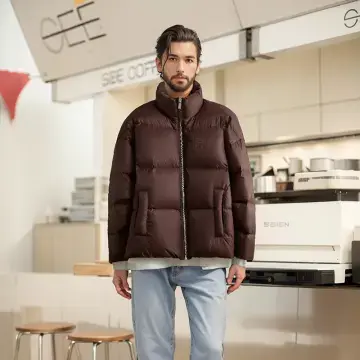
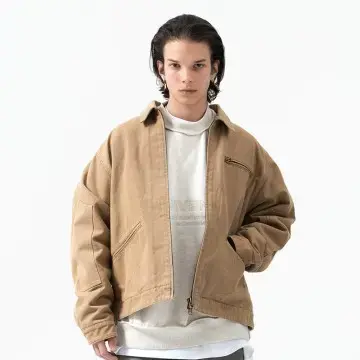
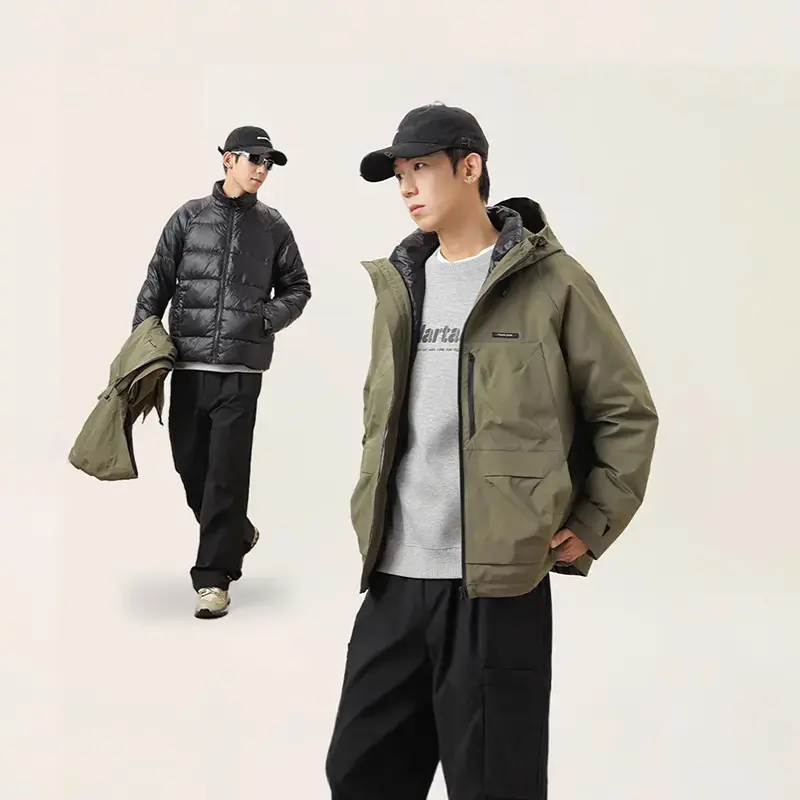

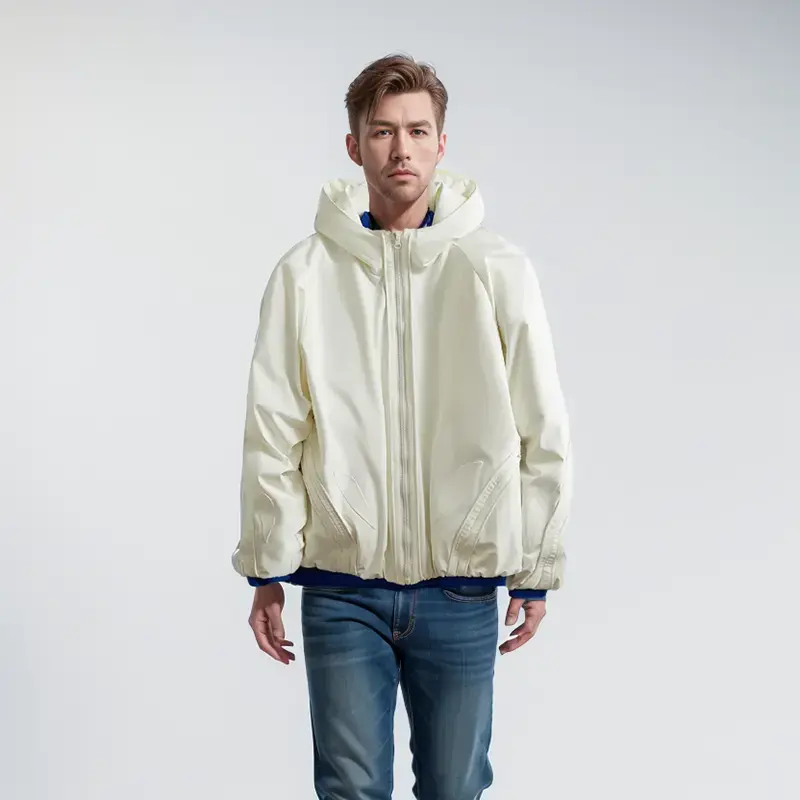
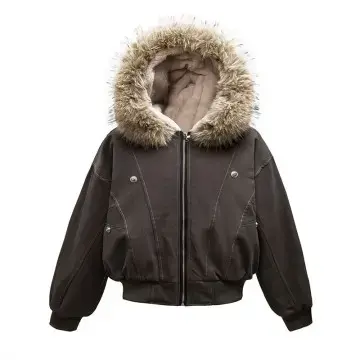
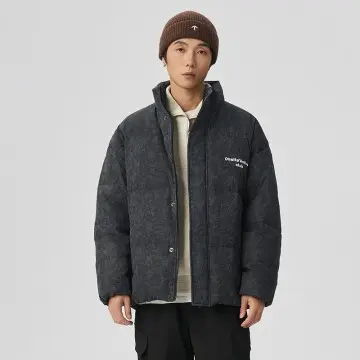
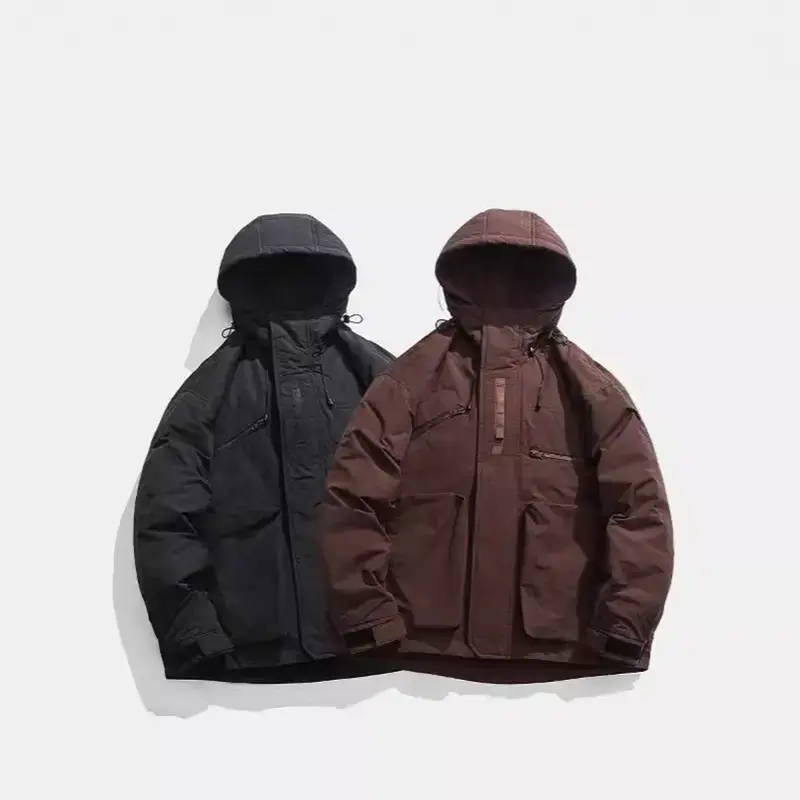
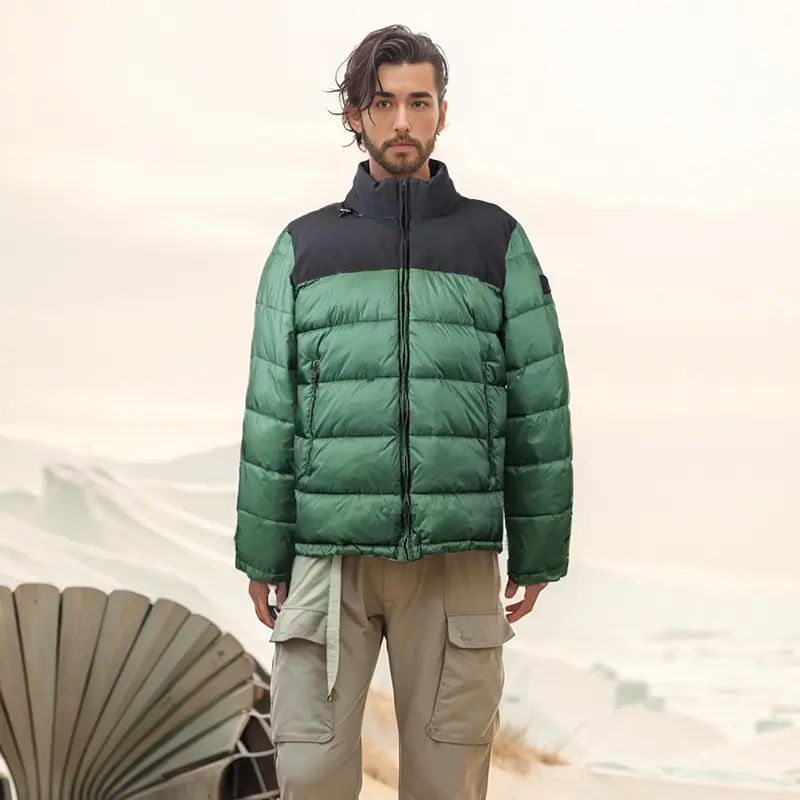
The complete production process of men's jackets
The complete production process of Men's Jackets
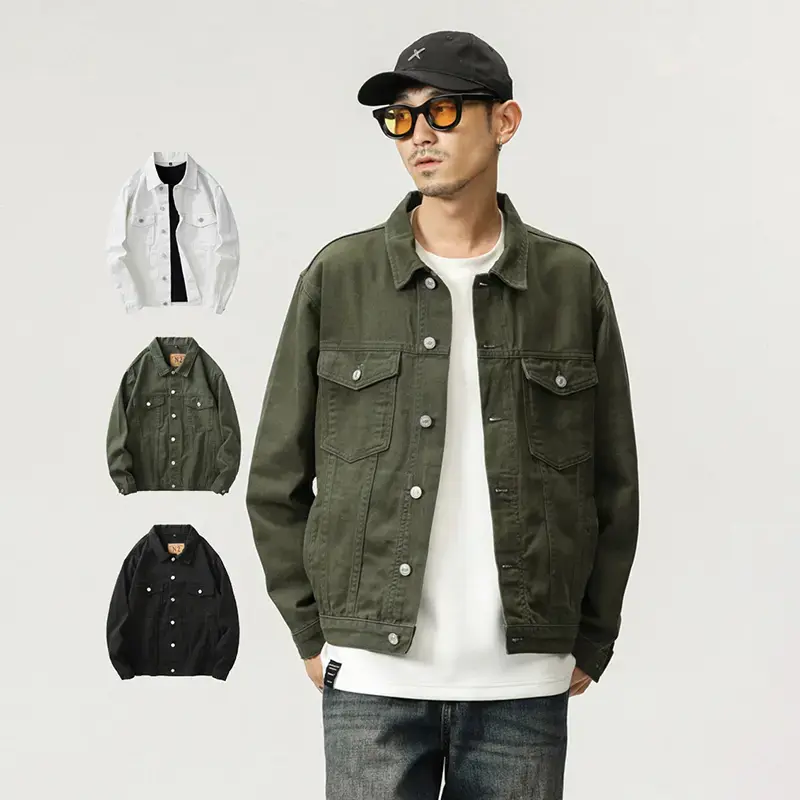
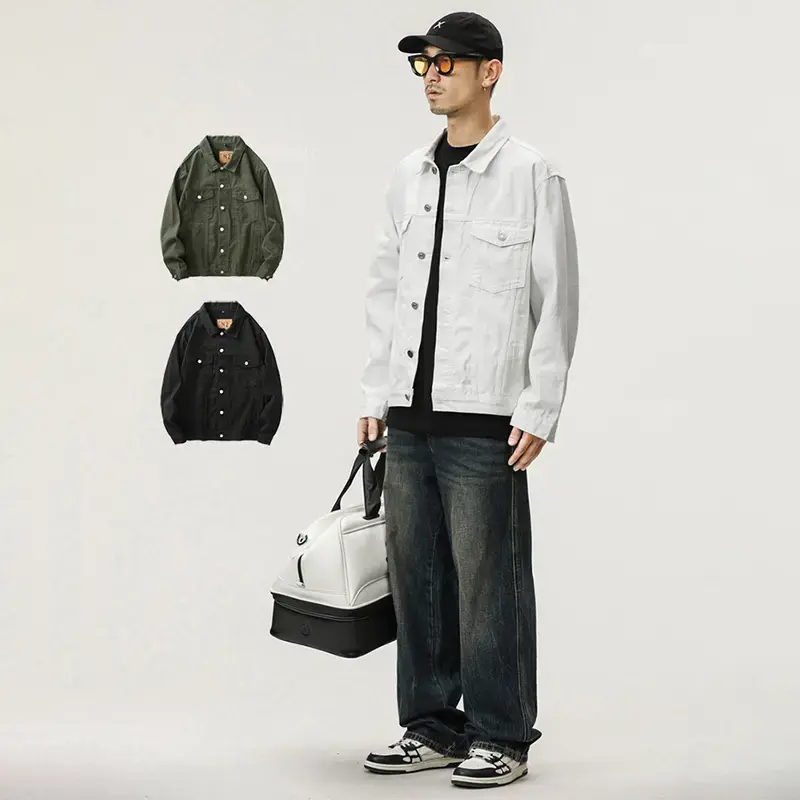
As an indispensable item in men's wardrobe, men's jackets not only need to meet the needs of fashion, but also have comfort and functionality. This article will introduce in detail the complete production process of men's jackets from design to finished product, including key steps such as design, material selection, cutting, sewing, ironing and quality inspection.
1. Design stage
1. Market research
The first step in designing a men's jacket is to conduct market research to understand the current fashion trends, the needs of target customers and the product characteristics of competitors.
2. Design conception
Based on the results of market research, designers will conceive the design of New Jackets, including style, color, fabric and details.
3. Make design drawings
Designers transform ideas into specific design drawings, including front, back and detail drawings, as well as necessary explanatory text.
4. Sample making
Based on the design drawings, the sample maker makes the paper pattern of the jacket, which is the basis for subsequent cutting work.
2. Material selection
1. Fabric selection
Choosing the right fabric is the key to making a jacket, and the texture, durability, comfort and appearance of the fabric need to be considered.
2. Selection of accessories
In addition to fabrics, you also need to choose appropriate accessories, such as zippers, buttons, linings, shoulder pads, etc.
3. Selection of linings and padding
For jackets that need to keep warm, you also need to choose appropriate linings and padding.
III. Cutting
1. Fabric inspection
Before cutting, the fabric needs to be quality checked to ensure that there are no defects.
2. Layout
Layout is performed on the fabric according to the pattern to minimize waste.
3. Cutting
Use a cutting machine or hand cutting to cut out the various parts of the jacket according to the pattern.
IV. Sewing
1. Sewing order
Determine the sewing order of the jacket to ensure efficiency and quality.
2. Stitching
Use a sewing machine to sew the various parts of the jacket together, including the body, sleeves, collar and pockets.
3. Detail processing
Process the details of the jacket, such as sewing zippers, installing buttons, sewing pockets, etc.
V. Pressing
1. Preliminary pressing
After the jacket is assembled, perform preliminary pressing to ensure that all parts are flat.
2. Final pressing
After all details are handled, perform final pressing to give the jacket the desired appearance.

VI. Quality Inspection
1. Preliminary inspection
Perform preliminary inspection on the size, symmetry and stitching quality of the jacket.
2. Detail inspection
Perform detailed inspection on the details of the jacket, such as zippers, buttons and pockets.
3. Final inspection
Perform final quality inspection before the jacket is packed to ensure that the product meets the quality standards of the company and the industry.
VII. Packaging and Logistics
1. Packaging
Package the jacket according to the customer's packaging requirements, including hanging, bagging or boxing.
2. Logistics
Arrange logistics to transport the finished jacket to the warehouse or send it directly to the customer.
VIII. Follow-up
1. Customer Feedback
Collect customer feedback on the jacket to improve subsequent design and production.
2. Market performance
Monitor the performance of the jacket in the market and evaluate its popularity and sales.
Through the above process, we can understand the various links involved in making a men's jacket. Each step is crucial and requires precise planning and professional execution to ensure that the final product can meet the needs and expectations of consumers. With the development of technology and the changes in consumer demand, the production process of men's jackets is also constantly being optimized and innovated.
The above content is an overview of the production process of men's jackets. Writing a 5,000-word blog requires more detailed information and in-depth analysis. You can further expand each section as needed, adding specific design cases, material characteristics, cutting and sewing techniques, market trend analysis, customer feedback and market performance. Remember to keep the language fluent and readable when writing, and ensure the accuracy and practicality of the information.