
One-stop supplier of jackets
The Effect of Stitch Density on the Warmth of Jackets
The Effect of Stitch Density on the Warmth of Jackets: Professional Analysis and Practical Suggestions
Introduction
In the production process of jackets, stitch density is a key factor. It not only affects the appearance and durability of jackets, but is also closely related to the warmth. For international wholesale buyers, understanding the effect of stitch density on the warmth of jackets can help choose the right Jacket Products to meet the needs of different customers. This article will explore the relationship between stitch density and the warmth of jackets in depth and provide practical suggestions.
The Effect of Stitch Density on the Warmth of Jackets
Keep Heat
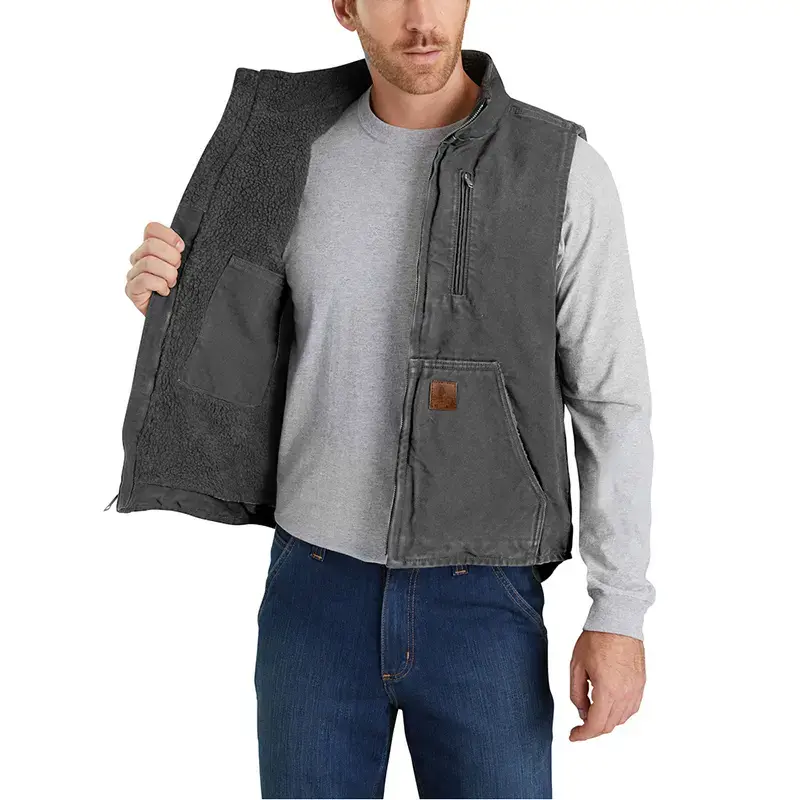
Jackets with higher stitch density have smaller gaps between fabrics and can more effectively prevent heat loss. Tight stitches can form a layer of insulation to keep the heat emitted by the human body inside the jacket, thereby improving the warmth. For example, some high-quality Down Jackets use a stitch density of 12 stitches/3CM, which can effectively lock in heat.
Windproof and Waterproof
Higher stitch density can also enhance the windproof and waterproof properties of jackets. Tight stitches reduce the chance of wind and moisture penetration, allowing the jacket to maintain good warmth in adverse weather conditions. This is especially important for outdoor activities or use in cold areas.
Improve durability
Jackets with higher stitch density are generally more durable. Tight stitches can prevent fabric tearing and abrasion, extending the life of the jacket. For wholesale buyers, this means that the product has higher quality and longer market competitiveness.
How to choose the right stitch density
Choose according to the usage scenario
For jackets for daily wear, medium stitch density (such as 8-10 stitches/3CM) can usually meet the warmth needs while maintaining a certain degree of breathability. For jackets for outdoor adventures or extreme cold environments, you need to choose products with higher stitch density (such as 12 stitches/3CM and above) to ensure the best warmth and windproof effect.
Consider fabric material
Different fabric materials have different requirements for stitch density. For example, synthetic fiber fabrics such as nylon usually require a higher stitch density to maintain their warmth performance, while natural fiber fabrics such as wool can still have a good warmth effect at a lower stitch density.
Pay attention to product quality and brand
Choosing jacket products from well-known brands can usually guarantee the quality and stability of stitch density. These brands strictly control the stitch density during the production process to ensure the warmth and durability of the products. Wholesale buyers can choose the right brand by checking the quality certification and user reviews of the products.
Summary
Stitch density is one of the important factors that affect the warmth of jackets. By choosing the right stitch density, the warmth, windproof and waterproof capabilities, and durability of the jacket can be improved. For international wholesale buyers, understanding the relevant knowledge of stitch density will help choose high-quality products to meet the needs of different customers, thereby gaining greater competitiveness in the market.