
One-stop supplier of jackets
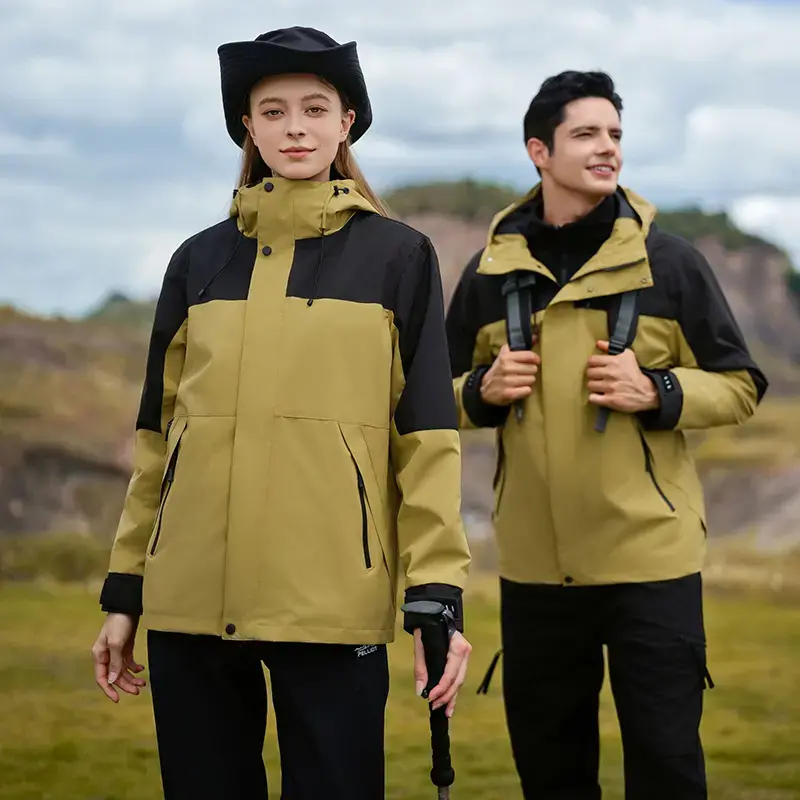

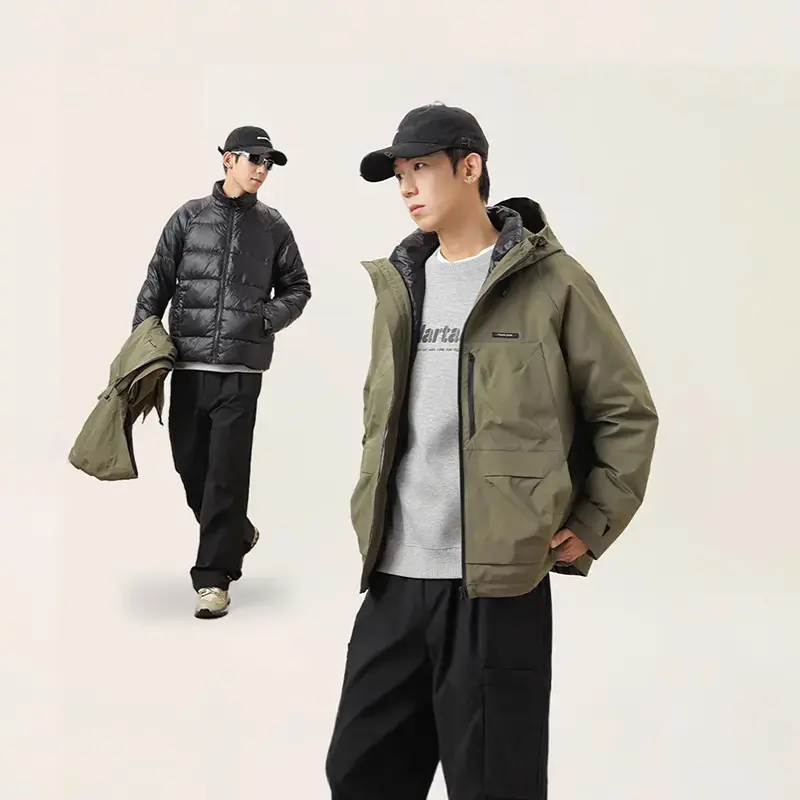
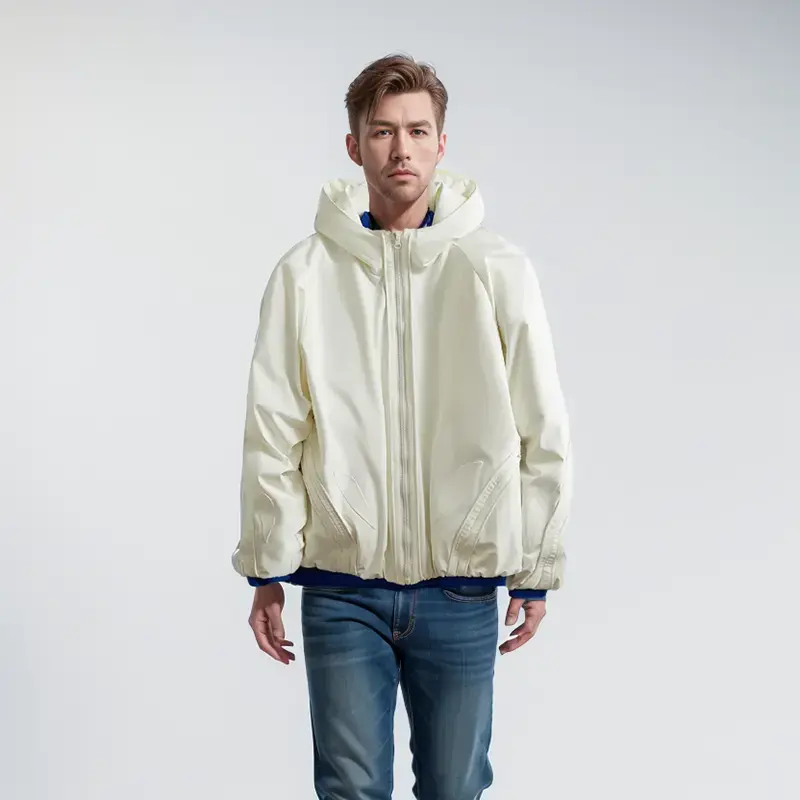
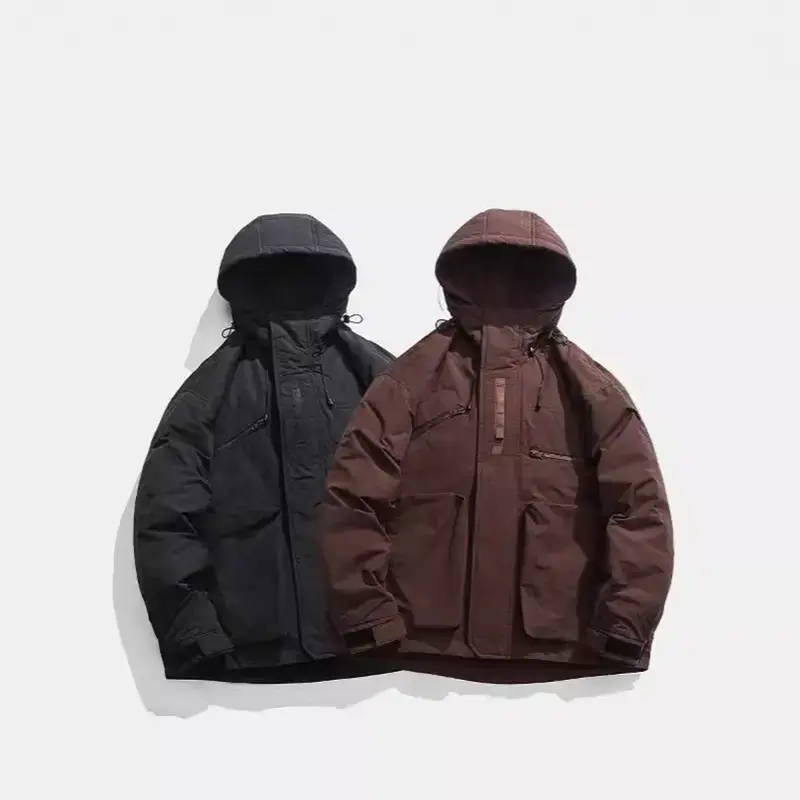
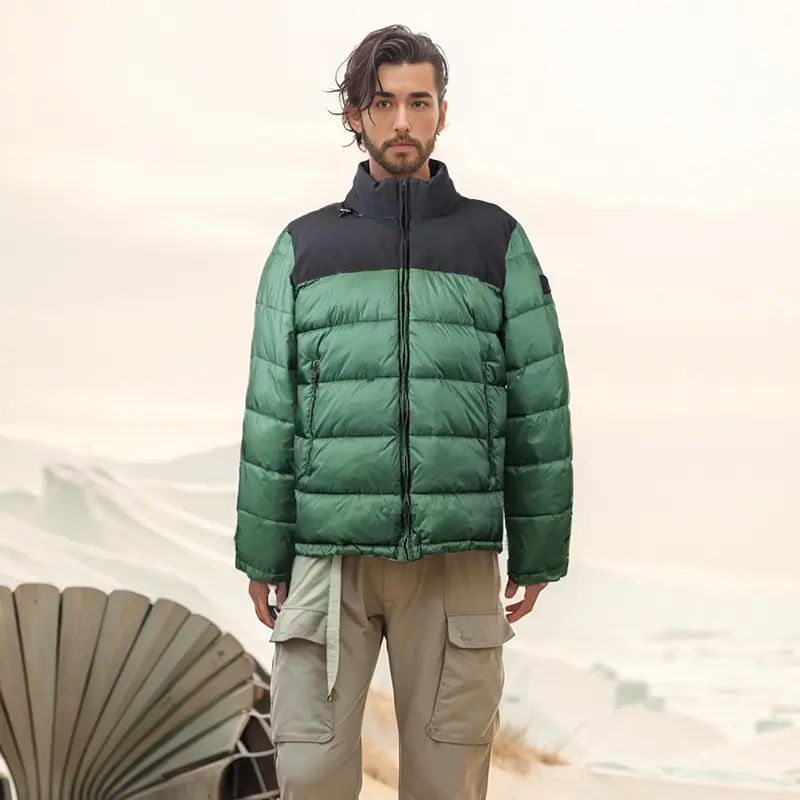
The Effect of Stitch Density on the Warmth of Jackets
The Effect of Stitch Density on the Warmth of Jackets: Key Factors and Detailed Analysis
Introduction
In today's competitive clothing market, jacketsare a popular outerwear style, and their warmth is one of the important factors that attract consumers to buy them. When many people Choose Jackets, they tend to focus on the type and thickness of the filling, however, the key factor of stitch density is often overlooked. In fact, stitch density has a significant impact on the warmth of jackets. This article will explore in depth how stitch density affects the warmth of jackets to help wholesale buyers better understand this key factor and make smarter purchasing decisions.

1. Basic Concepts of Stitch Density
Stitch density refers to the number of stitches formed by the stitches on a certain length or area of fabric, usually measured in needles/3cm or needles/inch. It reflects the tightness of the stitches during the sewing process and is one of the important indicators for evaluating the sewing quality of clothing.
2. The Effect of Stitch Density on the Warmth of Jackets Principle
Reducing Heat Loss: A higher stitch density means a smaller distance between the needle holes, which can effectively reduce the loss of warm air inside the jacket. When stitches are closely spaced, it is more difficult for heat to escape from the stitches by convection, thus improving the jacket's thermal performance. For example, one study showed that increasing stitch density from 8 stitches/3cm to 12 stitches/3cm reduced heat loss from a jacket by about [X]%.
Blocking cold air intrusion : Tight stitches create an effective barrier that prevents cold air from outside from penetrating directly into the jacket through the stitches. This helps the wearer stay warmer even in cold conditions. If stitches are too sparse, cold air can enter more easily, resulting in a loss of warmth.
Increasing fabric density and thickness : Increased stitch density is usually accompanied by an increase in overall fabric density and thickness. More dense stitching makes the jacket fabric tighter, which in turn improves its thermal performance. High-density fabrics are better able to capture and retain heat from the body, forming an insulating layer that provides a warmer protection for the wearer.
3. Comparison of thermal insulation performance of jackets with different stitch densities
Low stitch density (such as ≤8 stitches/3cm): The stitches of this type of jacket are larger and farther apart, so heat dissipates faster and cold air easily invades. In cold weather, the wearer may feel noticeably cold and need additional warming measures, such as wearing a thick sweater or thermal underwear.
Medium stitch density (such as 9-11 stitches/3cm): It can reduce heat loss and cold air penetration to a certain extent, has a good warming effect, and is suitable for wearing in general cold weather. However, for extremely cold environments, it may still be necessary to strengthen warming measures.
High stitch density (such as ≥12 stitches/3cm): It can effectively block cold air, reduce heat loss, and has excellent thermal insulation performance. Even in the cold winter, it can provide warm protection for the wearer, which is an ideal warming choice for people in cold areas.
4. Factors affecting stitch density selection
Purpose of the jacket: If the jacket is mainly used for daily commuting or light outdoor activities, a medium stitch density may be sufficient; for outdoor adventures, mountaineering and other activities in extremely cold environments, a jacket with a high stitch density is a better choice.
Padding type and thickness: When the jacket filling has good thermal insulation performance and is thicker, such as high-grade down or high-quality synthetic thermal insulation materials, even a slightly lower stitch density can achieve a good thermal insulation effect. However, in order to better fix the filling and further improve the warmth, a moderately high stitch density is still desirable.
Fabric material and characteristics: Different fabric materials have different requirements for stitch density. Some fabrics that are relatively dense and have good warmth retention, such as thick woolen fabrics, may have relatively low stitch density requirements; while thin and breathable fabrics, such as nylon or polyester fabrics, require a higher stitch density to make up for their lack of warmth retention.
5. How to control and optimize the stitch density of jackets
Choose appropriate sewing equipment and technology: Advanced sewing equipment can control the stitch density more accurately and ensure the stability of sewing quality. At the same time, the use of appropriate sewing technology, such as lock stitch or flat stitch, can also affect the stitch density and warmth effect to a certain extent.
Train sewing workers: Improve the skill level and operation proficiency of sewing workers so that they can sew accurately according to requirements, ensure the consistency and stability of stitch density, and thus improve the overall warmth performance of jackets.
Strict quality inspection: During the production process, a strict quality inspection system is established to conduct random or full inspections on the stitch density of each jacket, promptly discover and correct products that do not meet the standards, and ensure that each jacket shipped can achieve the expected warmth effect.

6. Case analysis
Take three jackets with different stitch densities produced by a well-known brand as an example:
Case 1: Low stitch density jacket: The stitch density is 7 stitches/3cm, using ordinary polyester fabric and a thin layer of synthetic fiber filling. When worn in an environment of around 5℃, consumers generally reported that the warmth retention effect was poor and that other warm clothing was needed.
Case 2: Medium stitch density jacket: The stitch density is 10 stitches/3cm, the fabric is a thick cotton-polyester blended fabric, and the filling is medium-thick down. According to testing and consumer feedback, within the temperature range of -5℃ to 10℃,