
One-stop supplier of jackets
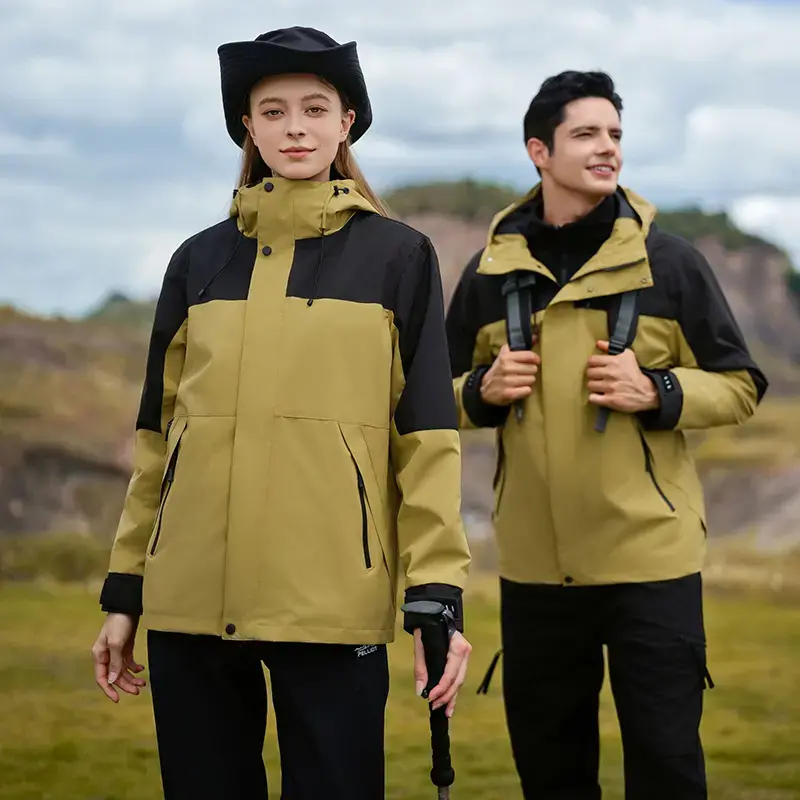
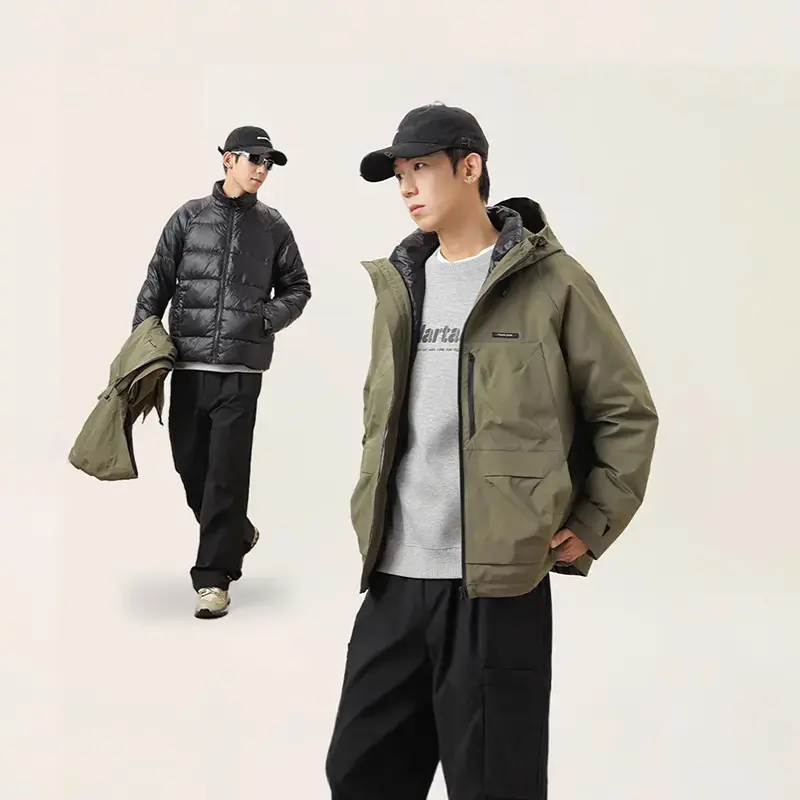
The pitfalls of down jackets, read this before buying them
Buying winter clothes is expensive, especially buying down jackets. Different materials, fabrics, and workmanship will also have different warmth retention.
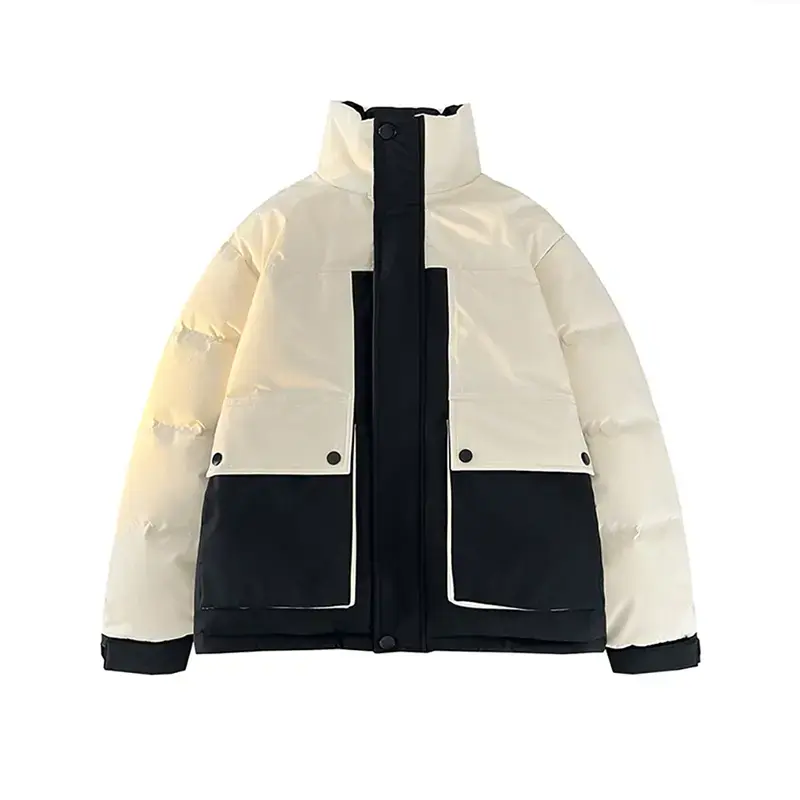
Especially the filling inside The Down Jacket, you can't see it unless you cut it open. If you buy it online, you can't touch the real thing before buying it. The only basis for judgment is those parameters, which usually include:
Fabric, lining, filling, filling amount, and down content.
Are you often confused by them?
Moreover, merchants usually create some concepts to make you feel that a certain filling is more advanced (for example, for the same style of down jacket, white duck down is more expensive than gray duck down), and avoid some more necessary values (for example, many merchants only mark the down content on the online shopping page, but not the filling amount).
Well, in order to let everyone spend the money on buying down jackets on the right things, in this article I have summarized several common senses about down jackets that must be known, as well as the guide to avoid pitfalls. Before buying A Down Jacket, you can compare and review it, maybe you can save a lot of money!
Regarding fabrics, in fact, with the current manufacturing process, there is no need to worry about the surface material of down jackets. Problems such as down drilling and running can be basically eliminated. The choice of the width of the seam also depends on your aesthetic taste.
Of course, it also includes whether you like a high-profile reflective surface, or a low-key matte, a little hard, or soft and skin-friendly, or a velvet retro, all are fine.
The focus below is on fillings. Here are a few common misunderstandings, which is what we call "pitfalls", and the guide to avoid pitfalls will be sent later!
Pitfall 1 | Is it necessary to buy goose down jackets?
First of all, it needs to be made clear that common "down" is generally divided into two types - duck down and goose down.
Goose is bigger than duck, and the goose down is also bigger. The fixed air volume per unit mass of goose down is greater than duck down, and the fluffiness and warmth retention performance are better. Generally, to achieve the same warmth retention effect, duck down that is three times heavier than goose down is needed.
If you don't need to stay outdoors for a long time, there is no need to wear goose down, and the price of goose down clothes is much more expensive than duck down. Considering the cost-effectiveness, you can choose duck down.
If you live in extremely cold weather, or want to travel to extremely cold areas, need outdoor adventures, etc., you can consider buying goose down clothes.
Pit 2 | Is white duck down more advanced than gray duck down?
Duck down is divided into white duck down and gray duck down. This is also a "disaster area" for merchants' marketing rhetoric. What white duck down is warmer and more advanced? No!
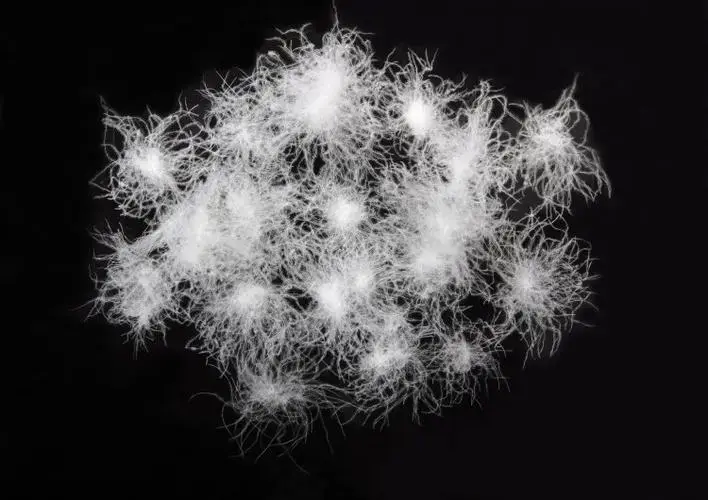
There is no difference between white duck down and gray duck down in terms of warmth retention. The reason why white duck down is more expensive is that there are fewer white ducks and the production is small;
Another reason is because of its color. If gray duck down is used to fill light-colored down jackets or linings, it will not look good if the color is revealed. At this time, white duck down is more beautiful. For dark down jackets, there is really no difference. It doesn’t matter whether you use white or gray. Don’t be "cheated" on this point!
Pit 3 | Are the filling amount and the down content the same thing?
Of course not! The filling amount, in layman's terms, is how much down is stuffed into a down jacket and the total weight.
Generally speaking, the filling amount between 100g and 300g is more common and is also used by everyone in daily life. Down jackets for outdoor use generally have a filling amount of 300~500g.
I referred to the down jackets with good sales of mainstream brands. The short version is 100~150g, and the medium and long version is 150~250g. Dayue is located in Hangzhou. In the coldest time, it is very warm to wear a down jacket of about 200g. In the winter when it is not too cold, I wear 100~150g. For students in the north, it is generally enough to wear 200~300g.
Let’s talk about the down content. This value refers to the proportion of "down" in the down filling.
Take a duck feather as an example. The "feather" is the main hair part of it, and it also has a "stalk". It is relatively hard. We can feel it when we touch it with our hands. The warmth retention of "feather" is relatively poor, and it is a relatively inferior filling component.
"Down" is the key. It is the softest part of the feather root. The proportion of "down" determines the warmth retention.
Down jackets with a down content of less than 50% are basically not considered down jackets. They may not be as warm as cotton jackets, and they are not soft and comfortable to wear;
Down content of 60-70% is considered medium, and most down jackets on the market can basically reach this number;
90% and above are considered good quality down jackets. Of course, they should also be compared with the filling amount. The higher the filling amount and the higher the down content, the better the warmth retention performance.
Pitfall 4 | Is understanding the filling amount and down content everything?
In fact, in addition to the filling amount and down content, there is another important parameter, that is, "fluffiness".
We can use both palms to press the down jacket together to see how long it takes for it to rebound and expand. Generally, the faster it recovers, the higher the fluffiness and the better the warmth retention.
Internationally, there are corresponding parameters for the fluffiness of down jackets, which refers to the volume (cubic inches) occupied by one ounce (about 30g) of down. Under the same filling volume, the higher the fluffiness, the more air layers the down can fix to keep warm and insulate, and the better the warmth retention.
Most down jackets have a fluffiness of around 600, which is warm and light; those below this value are lightweight warm clothes, which are not suitable for outdoor use in winter, while those above this value are used to deal with outdoor and extremely cold weather, and are warm and light. The higher this value, the better the quality and the more expensive the price.
You can learn more from the merchant before buying. If conditions permit, actually touch and feel a down jacket. Don't just focus on the style. A down jacket with a classic design that is warm and durable can still accompany you for many years.
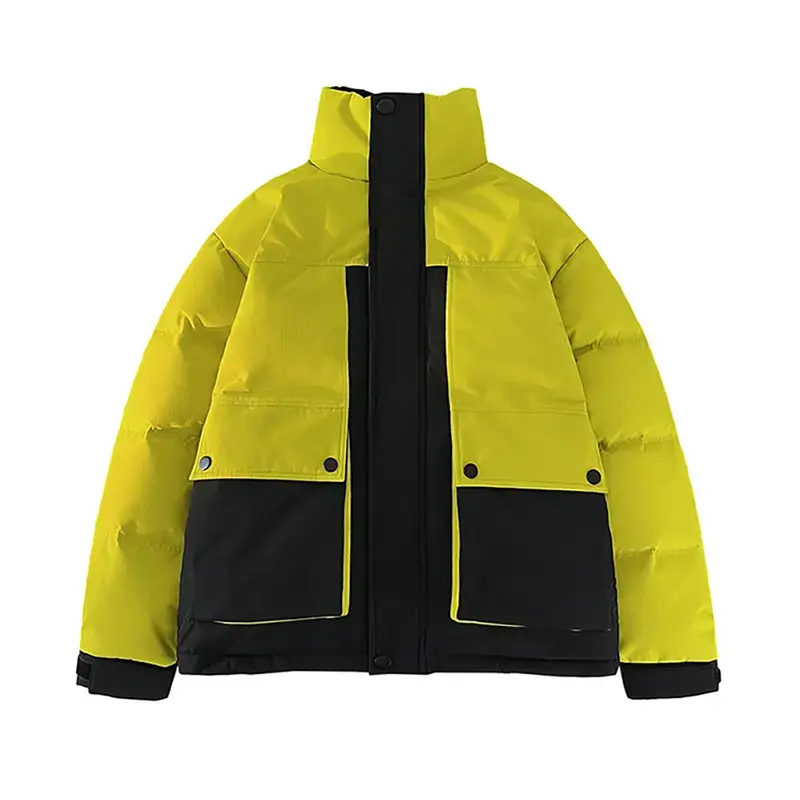
Finally, I will give you a few knowledge points for quick reference in the future:
If you don't go to the Northeast or extremely cold areas, you don't need to buy goose down clothes, it's too expensive
There is basically no difference between white duck down and gray duck down, don't be cheated
Down content: Southern winter (100~150g) Northern winter (200~300g) Professional outdoor (300~500g or more)
Down content: Don't consider those below 70%, give priority to those above 90%
Fluffiness: It is usually not written on the tag, you can ask the merchant or experience the elasticity in person