
One-stop supplier of jackets
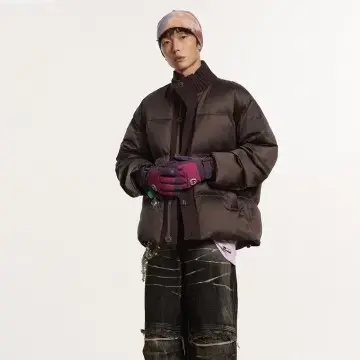
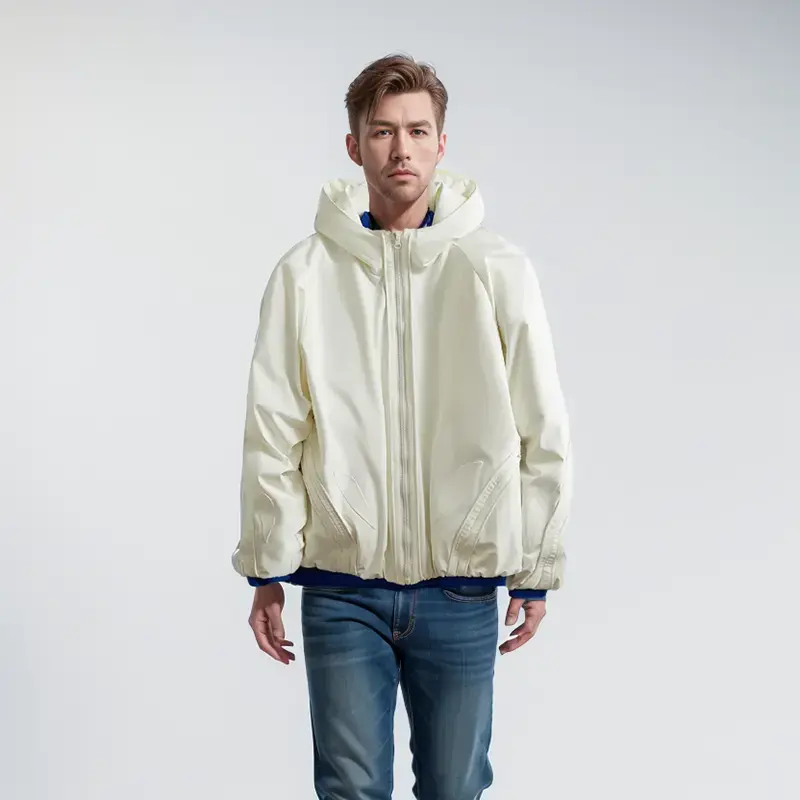
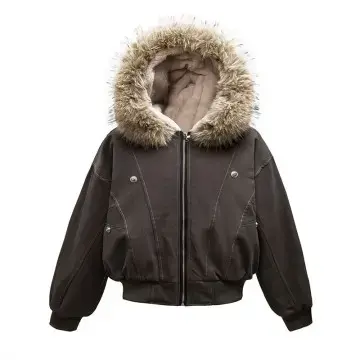
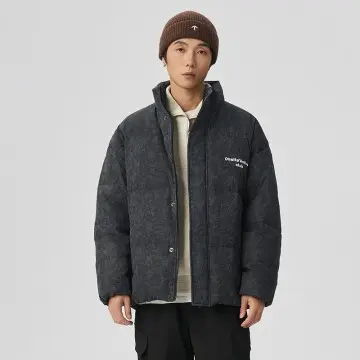
The Rise of Brazil's Outdoor Market: How Windproof and Waterproof Jackets Become the New Favorite of the Climate Economy
The Rise of Brazil's Outdoor Market: How Windproof and Waterproof Jackets Become the New Favorite of the Climate Economy
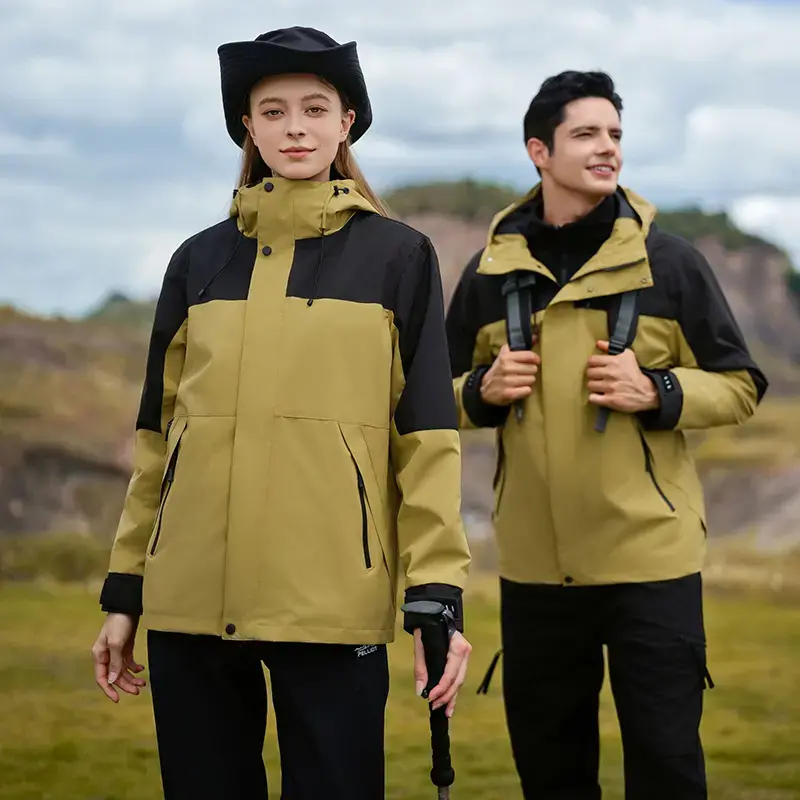
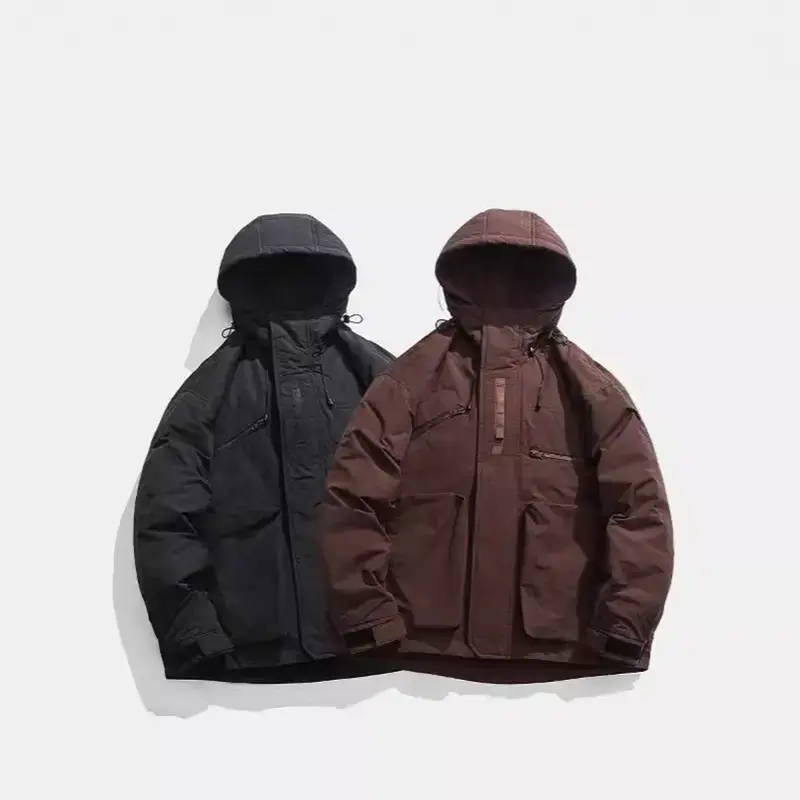
When hikers in Rio de Janeiro are caught in a sudden downpour in Tijuca National Park, a high-performance windproof and waterproof jacketis no longer optional gear; it's a must-have. This scenario is recurring across Brazil—from explorers in the Amazon rainforest to families camping in the southern highlands, from city commuters to weekend cyclists—windproof and waterproof jackets are rapidly becoming a staple of Brazilian outdoor life. This trend is driven by the explosive growth of Brazil's outdoor market and the rigid demand driven by climate change. By 2023, Brazil's outdoor market was projected to exceed $5 billion, with an annual growth rate of 8%. The windproof jacket segment is performing particularly well, reaching $113.7 million in sales in 2025 alone, representing a 40.7% market share in South America. This outdoor consumer revolution is not only transforming Brazilian lifestyles but also creating unprecedented market opportunities for Jacket Suppliers.
Nature's Gifts and Climate Challenges: The Twin Engines of the Outdoor Economy
Brazil boasts the world's richest natural landscape diversity, from the vast Amazon rainforest to the majestic foothills of the Andes, from the sprawling Costa del Sol to the vast Pantanal wetlands. This natural bounty provides a natural fertile ground for the development of the outdoor industry. Data from the Brazilian Institute of Geography and Statistics (IBGE) shows that participation in camping and hiking has increased by 12% annually since the pandemic, directly driving the camping equipment market to $1.2 billion by 2023. This growth is no accident; it stems from Brazilians' pursuit of a healthy lifestyle and a growing awareness of a "back to nature" consumer philosophy.
However, unique climatic conditions also present challenges for outdoor activities. Meteorological data for Brazil's autumn in 2025 indicates above-normal temperatures across much of the country, with heavy rainfall in the northern Amazon and frequent cold fronts in the south. This climate characterized by large temperature swings and erratic precipitation makes single-purpose Outdoor Clothing difficult to meet demand. Even more extreme, unusually cold weather in Brazil in June 2025 led to a 45% year-on-year surge in sales of cold-weather products, with jackets being a key sales highlight, demonstrating the strong correlation between climate fluctuations and apparel demand.
Brazilian consumers are increasingly realizing that windproof and waterproof jackets are the optimal solution for weather changes in the complex environment at the junction of tropical and temperate climates. Outdoor retailers in São Paulo state report that jackets with triple the functionality of breathability, quick drying, and waterproofing have a turnover rate three times that of standard outerwear. This demand is not only evident in professional outdoor settings, but is also rapidly permeating everyday commuting. Workers in Rio de Janeiro are finding that a lightweight, windproof and waterproof jacket is the perfect solution for navigating the alternating storms of morning sea breezes and afternoon showers.
Four Core Drivers of the Market Boom
The booming Brazilian outdoor market is no accident; it is the result of a combination of economic recovery, policy support, consumer upgrades, and the development of e-commerce. Brazil's unemployment rate fell to 9% in 2023, and middle-class disposable income grew steadily, directly driving a 35% rebound in the outdoor consumer market from its 2020 low. Economists have observed that Brazil's outdoor consumption elasticity coefficient is as high as 1.2, meaning that every 1% increase in GDP drives 1.2% growth in the outdoor market. This strong correlation suggests that the market will continue to expand as the economy recovers.
Policies have created favorable conditions for cross-border trade. Although Brazil's import tariff system is complex, with tariffs on outdoor clothing primarily ranging from 2% to 18%, the government is open to imports of "climate-resilient products." More importantly, the rapid development of e-commerce channels has broken down traditional trade barriers. Currently, the cross-border penetration rate of sports and outdoor products in Brazil is less than 30%, meaning that independent foreign trade platforms still have a significant market gap to fill. Data from platforms such as Mercado Libre shows that cross-border orders for outdoor clothing increased by 47% year-on-year in the third quarter of 2024, with functional jackets accounting for a significant share.
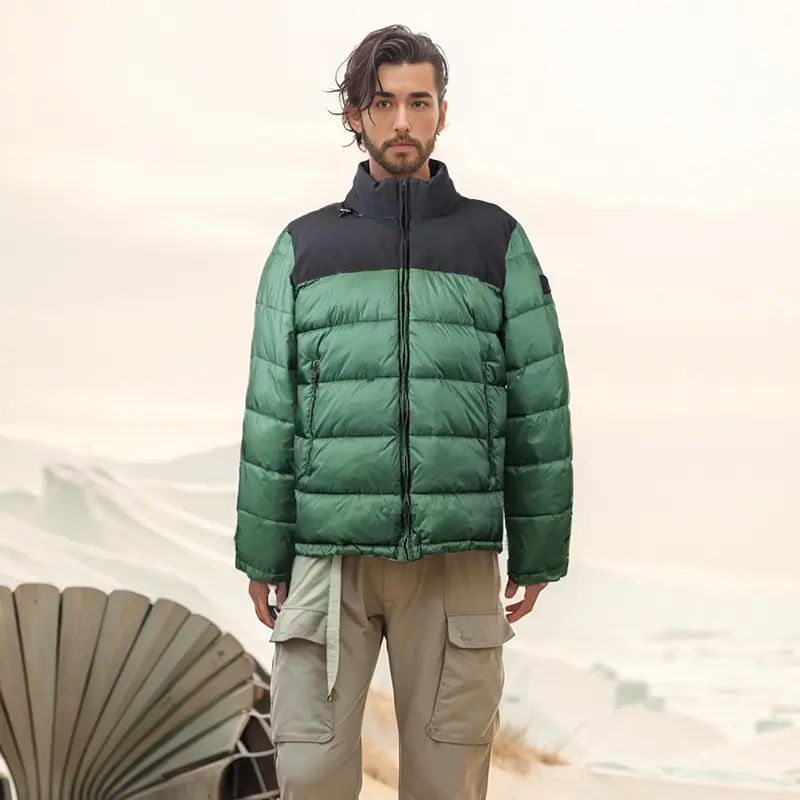
Equally noteworthy is the shift in consumer attitudes. Generation Z has become the primary consumer of outdoor products, pursuing functionality without compromising on stylish design. A Future Think Tank report indicates that young Brazilian consumers are "extremely receptive to sports and outdoor products with fashionable elements," explaining why windproof and waterproof jackets with brightly colored panels and modular designs have become popular on social media. Furthermore, the rise of sustainable consumption has increased the premium value of products using recycled materials and biodegradable packaging, leading some brands to achieve repurchase rates exceeding 20%.
Low domestic supply further amplifies market opportunities. Currently, the Brazilian outdoor market exhibits a "large at both ends and small in the middle": international brands like The North Face dominate the high-end market, while local brands like Centauro dominate the mid-range. However, there remains a gap in the market for functional jackets that offer outstanding value. International brands often command a 3-5 times premium, while local brands lag behind in material technology. This creates a niche market for independent e-commerce platforms.
Decoding the True Needs of Brazilian Consumers: An Emotional Connection Beyond Functionality
To succeed in the Brazilian market, a deep understanding of the unique preferences of local consumers is essential. Unlike the European and American markets, Brazilian consumers' demand for windproof and waterproof jackets exhibits distinct regional characteristics and usage scenarios. Explorers in the northern Amazon prioritize lightweight and breathability, as daytime temperatures often soar above 30°C even during the rainy season. Campers in the southern highlands prioritize windproofing and warmth, where nighttime temperatures can plummet below 10°C. Consumers in the southeastern urban areas, on the other hand, seek versatile jackets that can withstand both commuting and weekend hikes.
Price sensitivity is another key consideration. Statista data shows that Brazilian outdoor consumers have clear price expectations for different product categories, with the ideal price range for camping and mountaineering products being between $11 and $14, a significant difference from the European and American markets. A successful pricing strategy requires balancing tariff costs (the combined tariff rate for imported outdoor clothing in São Paulo State is approximately 18%) with consumer expectations, achieving a competitive advantage of "high-end quality at a mid-range price" through supply chain optimization.
Material selection directly impacts market acceptance. While Brazilian consumers value waterproofing, they dislike the stuffiness of traditional waterproof fabrics. Fabrics using nano-coating technology have reached 29% penetration in the local market. These materials offer both waterproofing and windproofing while maintaining breathability, making them a perfect fit for Brazil's climate. Furthermore, eco-friendly materials are gaining popularity, with searches for products using recycled polyester increasing by 170% by 2025, reflecting the widespread adoption of sustainable concepts.
Purchasing channel preferences are also worth noting. Despite the continued rise in e-commerce penetration, 54% of Brazilian consumers still experience the feel and fit of outdoor clothing offline first.
Winning Strategy for Independent Websites: Optimizing the Entire Chain from Product to Experience
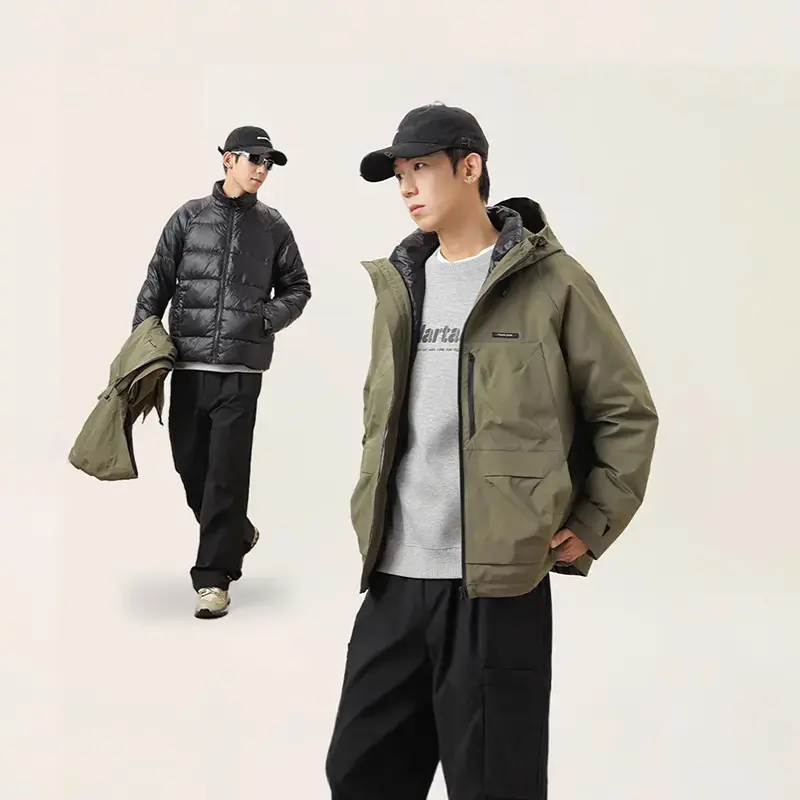
Facing this market teeming with opportunities, suppliers need to implement precise product and operational strategies. Embedding "Brazilian DNA" should be essential during the product design phase. This involves developing niche styles tailored to the climate characteristics of different regions. For example, ultra-lightweight (less than 300g) waterproof jackets for the north, windproof styles with removable linings for the south, and versatile, slim-fitting styles for urban markets. Color choices can reference the Brazilian flag's colors (green, yellow, and blue) or rainforest-inspired prints to enhance cultural identity.
Transparent communication about materials and craftsmanship is crucial. Brazilian consumers are cautious about product functionality, so independent websites need to build trust through laboratory data (such as a waterproof rating of 5000mm and a breathability rating of 3000g/24h) and real-world testing videos. Features that meet local needs, such as nano-waterproofing technology and UV protection (UPF50+), can be highlighted, as well as international certifications (such as bluesign® and OEKO-TEX®).
Pricing strategies need to consider the entire supply chain cost structure. Brazil's import taxes are calculated using a cumulative model of "CIF price + import tariff + industrial product tax + state VAT." For example, a jacket with a CIF price of $100 would ultimately cost approximately $138 in taxes in São Paulo state. We recommend adopting a "high-quality, mid-price" strategy, keeping the retail price between 150 and 250 reais (approximately US$30-50). This differentiates the product from low-end local products while remaining over 50% lower than international brands.
Optimizing logistics and customs clearance is key to operations. Confirm the product's corresponding NCM code (outdoor jackets typically fall under category 6210) in advance and apply for a non-automatic import license through the Brazilian Foreign Trade Network (SISCOMEX) to avoid a 30% fine due to incomplete documentation. Establishing a transit warehouse in Uruguay or Panama can shorten delivery times to 7-10 days, as delivery times exceeding 15 days can increase order abandonment rates by 40%.
Marketing communications must be tailored to local culture. Collaborate with Brazilian outdoor influencers (such as rainforest explorer @AmazonXplorer) to create hands-on videos showcasing product performance in real-world outdoor scenarios. Use Instagram Reels to showcase jackets in a variety of scenarios, from urban to outdoor. Offer limited-time promotions during key periods (such as the hiking season in April and the cold snap in June) to capitalize on seasonal demand fluctuations. User-generated content (UGC) is particularly important, offering 10% discounts to encourage consumers to share their experiences.
A Golden Track for an $8 Billion Market by 2028
The Brazilian outdoor market is on the verge of exploding. Industry forecasts indicate that the market will reach $8 billion by 2028, maintaining a high compound annual growth rate of 9%. Windproof and waterproof jackets, as a core category, are expected to continue expanding at an annual rate of 3.836%, exceeding $150 million by 2033. This growth will stem not only from new consumers but also from increased product penetration—currently, only 3 in 10 Brazilian outdoor enthusiasts own a professional windproof and waterproof jacket, leaving significant room for improvement.
Climate change will continue to strengthen demand. Meteorological models predict that extreme weather events will become more frequent in Brazil in the future, further driving the popularity of functional outdoor clothing. The government has begun to include outdoor equipment in its "climate adaptation solutions" category and does not rule out the possibility of introducing preferential import policies in the future to create a better policy environment for foreign trade companies.