
One-stop supplier of jackets
Tips for choosing denim jacket fabrics
Tips for choosing Denim Jacket fabrics
Introduction
As a classic item in the fashion world, denim jackets are loved by consumers all over the world. Their unique style and durability make them a must-have in the wardrobe.
I. Common types of denim jacket fabrics
(I) Cotton denim
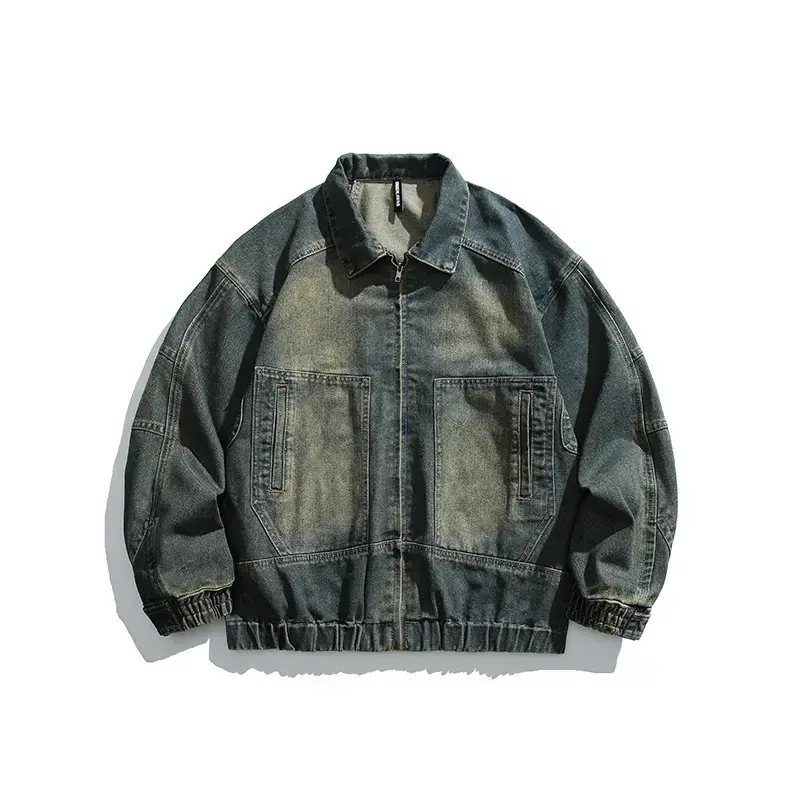
Cotton denim is the most common denim jacket fabric, with good breathability and comfort. This fabric is made of 100% cotton fiber, with a strong texture, wear-resistant and easy to clean. The color of cotton denim is mostly dark blue, easy to dye and match, suitable for various styles of design.
(II) Stretch denim
Stretch denim adds elastic fibers such as spandex (Lycra) to traditional denim. This fabric not only retains the wear resistance and durability of denim, but also increases elasticity, making it more comfortable and close-fitting to wear. Stretch denim is suitable for making slim-fit denim jackets, which can better fit the body curve and show a sense of fashion.
(III) Blended denim
Blended denim is usually made of cotton fiber mixed with other fibers (such as polyester fiber). This fabric combines the comfort of cotton fiber with the durability of polyester fiber, with better wrinkle resistance and shape retention. Blended denim is suitable for making denim jackets that require high durability and easy care, such as workwear-Style Jackets.
(IV) Special treatment denim
Special treatment denim includes fabrics that have been treated with processes such as bleaching, fraying, and washing. These treatments give denim a unique look and texture, making it more fashionable and personalized. For example, bleaching can give denim a retro white effect, while fraying can create fashionable holes and wear effects.
II. Key factors in fabric selection
(I) Thickness
The thickness of denim jacket fabric directly affects its warmth retention and wearing comfort. Generally speaking, thicker denim (such as above 12A) is more suitable for wearing in autumn and winter, and has a better warmth retention effect; while thinner denim (such as below 8A) is more suitable for spring and summer, and is lighter and more comfortable to wear.
(II) Elasticity
Elasticity is one of the important characteristics of denim jacket fabric, especially for slim-fitting jackets. Stretch denim can provide a better fit and make the wearer more comfortable when moving. When choosing stretch denim, pay attention to the content and distribution of elastic fibers to ensure the elasticity and durability of the fabric.
(III) Color and dyeing process
Color is an important visual element of denim jackets, and the dyeing process directly affects the durability and uniformity of the color. The traditional indigo dyeing process can give denim a unique blue tone and retro texture, but attention should be paid to the depth and uniformity of the dyeing. In addition, some special dyeing processes (such as overprinting and multi-color dyeing) can create rich color effects to meet the needs of different consumers.
(IV) Feel and texture
Hand feel and texture are important factors affecting the comfort and fashion sense of denim jackets. High-quality denim should have a soft and smooth feel while maintaining a certain sense of stiffness and texture. When choosing fabrics, you can evaluate its feel and texture by touching and observing to ensure that it meets the product positioning and consumer needs.
(V) Durability and shape retention
As a durable fashion item, the durability and shape retention of denim jackets are crucial. High-quality denim should have good abrasion resistance, tear resistance and shape retention, and be able to maintain good appearance and performance after multiple wears and washes. When choosing fabrics, you can refer to their fiber composition, weaving process and post-treatment process to evaluate their durability and shape retention.
III. Fabric testing and quality control
(I) Fiber composition testing
Fiber composition is the basis for affecting the performance of denim jacket fabrics. When choosing fabrics, you should ensure that their fiber composition meets product requirements and relevant standards. Fiber composition analysis can be performed through professional testing equipment and laboratories to accurately determine the type and content of fibers.
(II) Physical performance testing
Physical performance tests include tensile strength, tear strength, abrasion resistance, elastic recovery rate and other items. These tests can evaluate the durability and stability of fabrics in actual use and ensure that they can withstand the test of daily wear and washing.
(III) Chemical performance testing
Chemical performance testing mainly focuses on indicators such as fabric color fastness, formaldehyde content, pH value, etc. Color fastness is an important indicator for measuring color durability. High-quality denim should have good color fastness such as washing resistance, friction resistance and light resistance. At the same time, it should be ensured that the formaldehyde content of the fabric meets the relevant standards to avoid harm to human health.
(IV) Appearance quality inspection
Appearance quality inspection includes items such as fabric color, texture, and defects. High-quality denim should have uniform color and clear texture, and should minimize defects and flaws. When selecting fabrics, their appearance quality should be carefully checked to ensure that they meet product positioning and consumer needs.
IV. International standards and certification
(I) International standards
The production and sales of denim jacket fabrics need to comply with relevant international standards. For example, ISO 13934-1:1999 specifies the test method for the tensile properties of textiles, and ISO 105-B02:2014 specifies the test method for the color fastness of textiles to washing. These standards provide a unified basis for fabric quality control, ensuring that they are universal and comparable in the international market.
(II) Certification
In addition to international standards, some certification agencies also provide certification services for denim jacket fabrics. For example, OEKO-TEX® Standard 100 certification is an internationally accepted eco-textile certification that ensures that no harmful chemicals are used in the production process of the fabric and that it is safe for the human body and the environment. By obtaining these certifications, the market competitiveness and consumer trust of the product can be enhanced.
V. Case Analysis
(I) Fabric Selection for Classic Denim Jackets
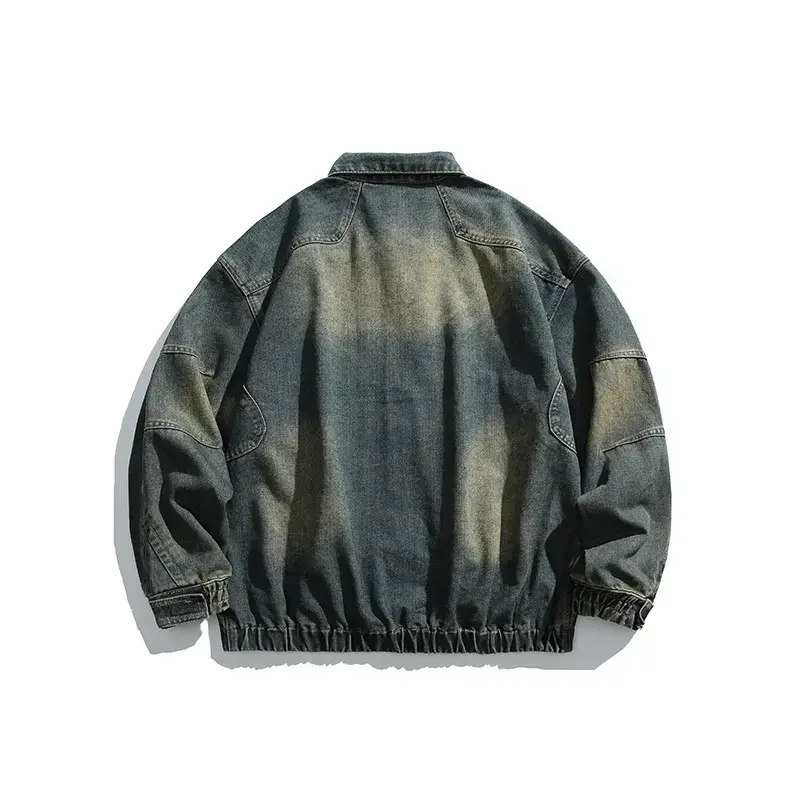
For classic denim jackets, cotton denim is usually selected as the fabric. This fabric has good breathability and comfort while retaining the classic texture and appearance of denim. For example, Levi's classic 501 denim jacket uses cotton denim, which has been washed and bleached many times to present a retro blue tone and soft feel.
(II) Fabric Selection for Fashionable Slim Fit Denim Jackets
For fashionable slim fit denim jackets, stretch denim is an ideal choice. This fabric not only has good elasticity and can fit the body curve, but also retains the wear resistance and durability of denim. For example, Gucci's slim fit denim jacket uses stretch denim, which has undergone a special dyeing and washing process to present a unique color effect and fashion sense.
(III) Fabric selection for workwear style denim jackets
For workwear style denim jackets, blended denim is a common choice. This fabric combines the comfort of cotton fiber and the durability of polyester fiber, with better wrinkle resistance and shape retention. For example, Carhartt's workwear denim jackets use blended denim, which has been washed and worn many times, showing a vintage look and sturdy texture.
VI. Conclusion
The selection of denim jacket fabric is a key link to ensure product quality and performance. By understanding different types of fabrics and their characteristics, combined with product positioning and consumer needs, the most suitable fabric can be selected.