
One-stop supplier of jackets
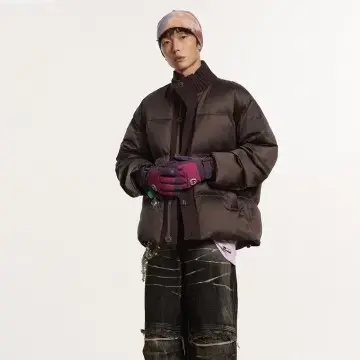
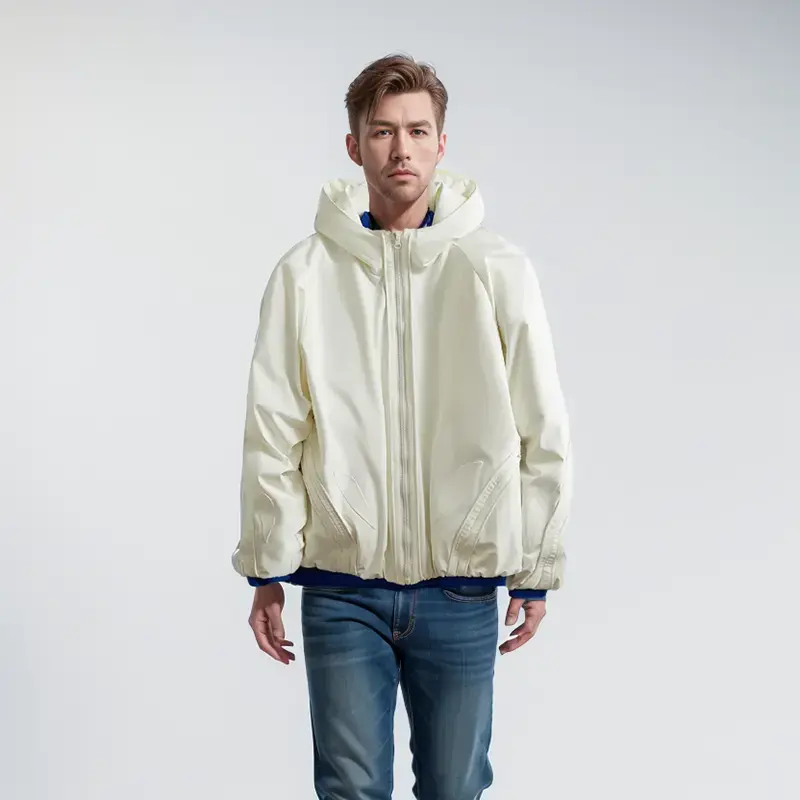
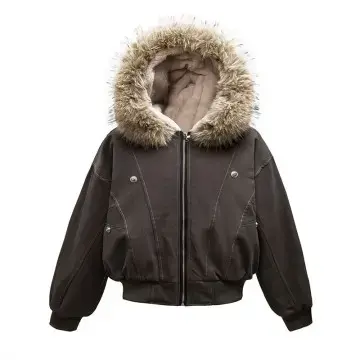
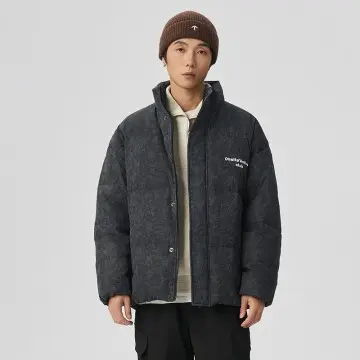
Tips for installing jacket zippers
Tips for installing jacket zippers: a comprehensive guide to achieve a smooth effect
Introduction
In the process of jacketproduction, zipper installation is a key link, and its smoothness will directly affect the quality and aesthetics of the jacket. For international trade wholesalers, it is crucial to provide high-Quality Jackets with smooth zipper installation, which is not only related to the market competitiveness of the product, but also affects the brand's reputation. This article will explore in depth the various techniques to avoid uneven installation of jacket zippers, helping you improve product quality and meet the needs of the international market.
1. Preparation before installation
Selected zippers: Choosing high-quality zippers is the first step to avoid uneven installation. High-quality zippers have neat and uniform teeth, open and close smoothly, and can better fit the jacket fabric. For example, well-known zipper brands have more guaranteed materials and craftsmanship for their products. For example, [specific brand name] zippers use [special materials or process introduction], have high strength and stability, and can effectively reduce the risk of problems such as jamming and deformation during installation.
Precise measurement and cutting: Before installing the zipper, the position and length of the jacket placket must be accurately measured to ensure left-right symmetry. Use professional measuring tools, such as a tape measure, to measure along the edge of the placket and mark it on the fabric. When cutting, follow the marks to ensure that the edges are straight and neat. The size deviation of the cut placket should be controlled within a very small range. It is generally recommended not to exceed [specific value] cm to ensure that the zipper can fit the placket tightly.
Check the flatness of the fabric: Check the jacket fabric carefully to ensure that it is flat and wrinkle-free. If there are any uneven areas, they need to be ironed first. Use the ironing temperature and method suitable for the fabric material. For example, for cotton fabrics, use medium-temperature ironing and cover the fabric with a layer of wet cloth to achieve a better flatness; for wool fabrics, use low-temperature ironing to avoid damaging the fibers. At the same time, pay attention to the texture direction of the fabric to ensure that it remains consistent during cutting and sewing to enhance the stability of the fabric and prevent deformation when installing the zipper.
2. Key skills during installation
Reasonable setting of sewing machine parameters: Adjust the stitch length and tension of the sewing machine according to the thickness and texture of the jacket fabric. Generally speaking, for thinner fabrics, the stitch length can be set to around [specific value] mm, and the tension can be appropriately reduced; for thicker fabrics, the stitch length can be appropriately increased to [specific value] mm, and the tension can be increased at the same time to ensure that the stitches can pass through the fabric and zipper firmly, so that the zipper is fixed flat on the placket. For example, when sewing a Denim Jacket, due to its thick fabric, the stitch length can be set to [specific value] mm, and the tension can be adjusted to a higher level to ensure the tension and fixation of the stitches.
Precise alignment and fixation: Align the zipper precisely with the edge of the jacket placket. You can first use hand sewing to temporarily fix the starting and ending positions of the zipper on the placket with a thin thread, and fix it every certain distance (such as [specific value] cm) to ensure that the zipper does not shift during the sewing process. Then, formally sew on the sewing machine, sew evenly along the edge of the zipper, and keep the distance between the stitches and the zipper teeth consistent. It is generally recommended to be around [specific value] mm, so that the zipper fits tightly with the fabric and avoids wrinkles or gaps.
Uniform feeding and presser foot pressure adjustment: During the sewing process, push the fabric and zipper through the presser foot evenly to keep them in sync. At the same time, adjust the presser foot pressure in time according to the thickness of the fabric and zipper. If the presser foot pressure is too low, the fabric and zipper are easy to slide, resulting in uneven sewing; if the pressure is too high, the fabric may be wrinkled, affecting the final effect. For example, when sewing thinner polyester jacket fabrics, the presser foot pressure should be appropriately reduced to prevent the fabric from being pressed out; for thick leather jackets, the presser foot pressure needs to be increased to ensure that the fabric and zipper can be fed and sewn smoothly.
3. Tips for handling special parts
Installing zippers at the neckline and hem: When installing zippers at the neckline and hem, you need to be more careful because these parts have large curvatures. You can first bend the zipper into a curvature that matches the neckline or hem, and then sew it with small stitches. At the same time, constantly adjust the position and angle of the zipper during the sewing process to ensure that it fits tightly with the fabric to avoid wrinkles or unevenness. For example, when installing the collar zipper of a stand-up collar jacket, you can first try to install the zipper at the neckline, observe the fit between the zipper and the neckline, and fine-tune the curvature and sewing position of the zipper according to the actual situation until a smooth and beautiful effect is achieved.
Zipper treatment near the pocket: When the zipper needs to pass through the pocket, make sure that the direction of the zipper is coordinated with the design of the pocket, and reinforce it around the pocket. You can sew a reinforcement line on the edge of the pocket before installing the zipper to prevent the zipper from deforming or being uneven due to the weight of the pocket or the tension during use. For example, when installing a zipper on the side pocket of a jacket, first sew a reinforcement line along the edge of the pocket at a distance of [specific value] mm from the edge, and then install the zipper in the appropriate position to ensure that the zipper can pass smoothly and flatly through the pocket.
4. Inspection and adjustment after installation
Comprehensive flatness inspection: After installation, carefully check whether the zipper surface is flat, whether there are bulges, wrinkles or distortions. Check whether the zipper opens and closes smoothly, whether it will be stuck or unable to pull. At the same time, check whether the seam between the zipper and the jacket fabric is firm, and whether there are problems such as skipping and broken wires. If problems are found, they should be adjusted and repaired in time.
Finishing and polishing: Clean and trim the thread ends and rough edges around the zipper to make it more neat and beautiful. For some slightly uneven parts caused by improper sewing, you can use an iron for local ironing adjustments, but pay attention to the ironing temperature and time to avoid damaging the fabric and zipper. For example, for some jackets made of chemical fiber fabrics, low-temperature ironing can be used, and a thin layer of cloth can be placed on the ironing area to prevent the surface of the fabric from being shiny or melting.
5. Common Problems and Solutions
Reasons and Solutions for Uneven Zippers: Uneven zippers may be caused by a variety of reasons, such as poor zipper quality, uneven stitches during sewing, and the fabric and zipper not fitting tightly. For these problems, first of all, a qualified zipper should be replaced; secondly, the stitches should be kept uniform during sewing, and attention should be paid to adjusting the parameters and operating techniques of the sewing machine; at the same time, before installing the zipper, ensure that the fabric is flat, and strengthen the control of the fit between the zipper and the fabric during sewing.
Solutions for Zippers that Open and Close Smoothly: Zippers that open and close poorly may be caused by zipper teeth deformation, foreign objects stuck, or zipper head damage. You can first try to clean the zipper teeth and remove foreign objects; then check whether the zipper head can rotate and pull normally. If it is damaged, you need to replace the zipper head; if the zipper teeth are severely deformed, you may need to replace the entire zipper to ensure the normal use of the zipper and the quality of the product.
6. Auxiliary tools and equipment to improve the quality of zipper installation
Professional zipper installation tools: Using special zipper installation tools, such as zipper installation pliers, zipper locators, etc., can improve the accuracy and efficiency of installation. Zipper installation pliers can firmly clamp the zipper head, making it convenient for operators to install and remove the zipper; zipper locators can ensure that the zipper maintains the correct position and angle during installation, reducing errors and unevenness.
Advanced sewing equipment: Equipped with sewing equipment with high precision and automation functions, such as computerized flat sewing machines, special sewing machines, etc., can achieve more accurate sewing effects. These devices usually have a variety of sewing programs and functions, which can automatically adjust and optimize according to different fabrics and zipper types, improve sewing quality, reduce manual operation errors, and effectively avoid the problem of uneven zipper installation.
7. Summary
The flatness of jacket zipper installation is crucial to the overall quality of the product. Through careful preparation, precise installation techniques, special part treatment, and strict inspection and adjustment, the problem of uneven zipper can be effectively avoided. At the same time, the rational use of auxiliary tools and advanced equipment can further improve the quality and efficiency of zipper installation.