
One-stop supplier of jackets
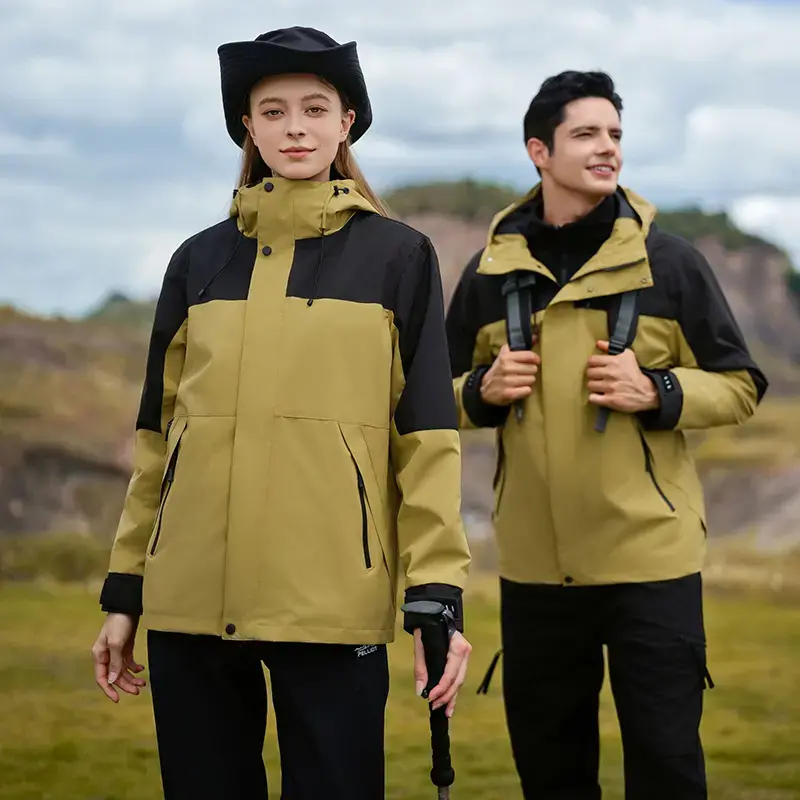
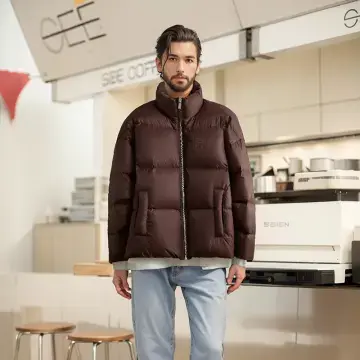
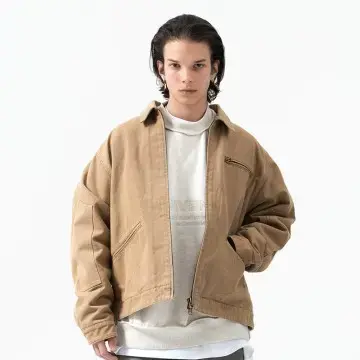
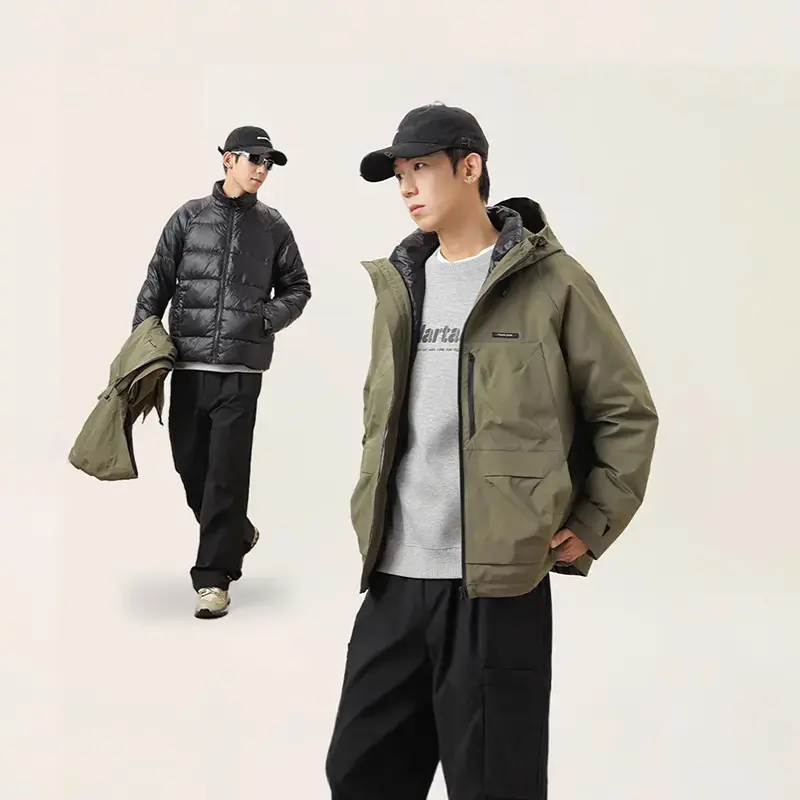
Waterproof and breathable jackets: everything you need to know
Waterproof and breathable jackets: everything you need to know
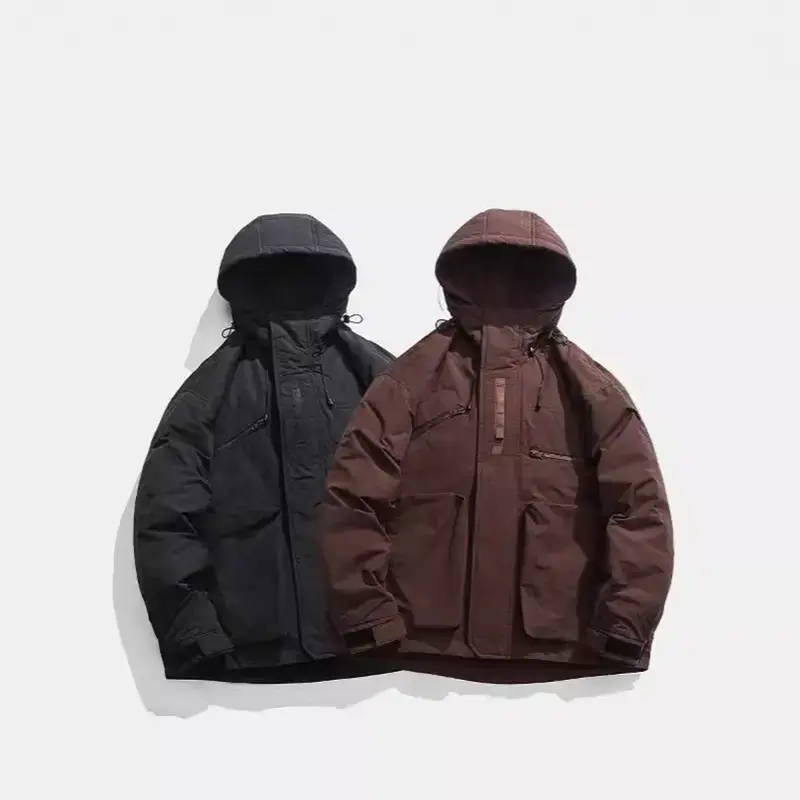
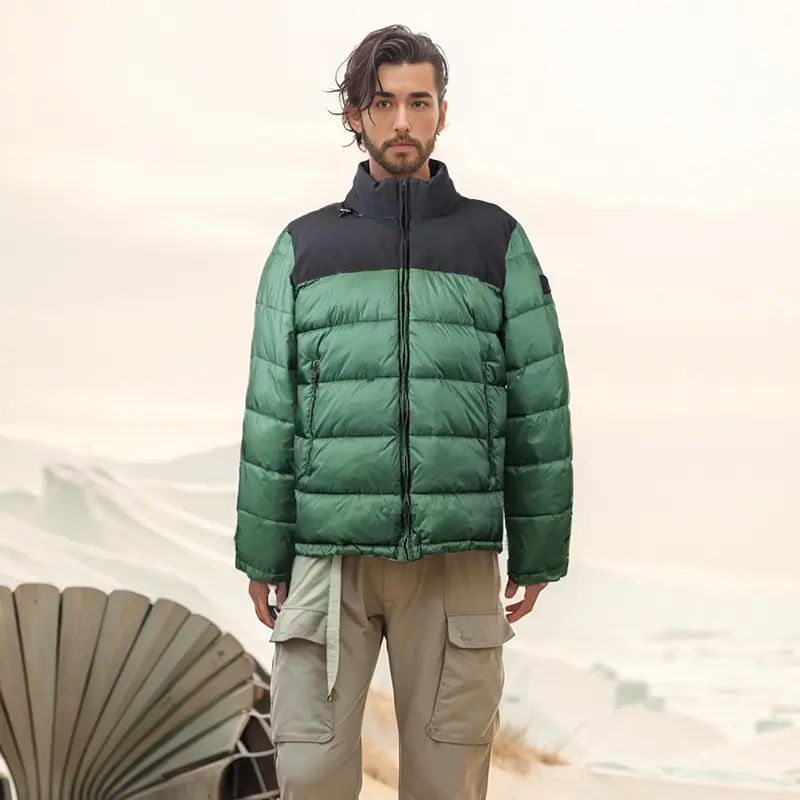
Choosing the right jacket is essential for outdoor activities or daily life. Waterproof and breathable jackets are two common functional jackets, each with unique features and advantages. This article will explore the differences between waterproof and breathable jackets to help you better choose the jacket that suits you.
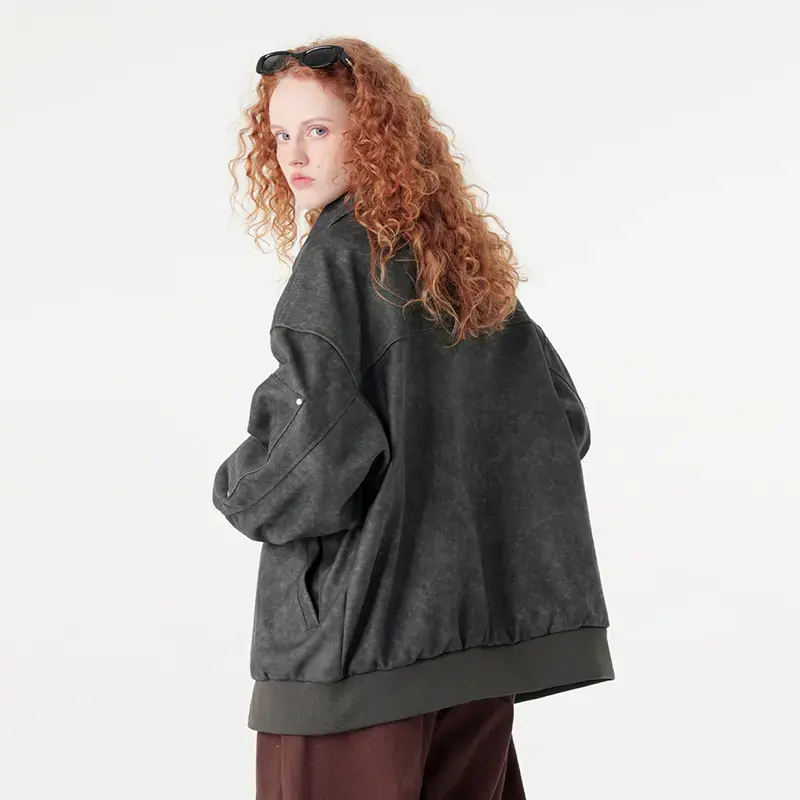
1. Basic concepts of waterproof and breathable jackets
(I) Waterproof jackets
A waterproof jacket is a jacket that can effectively block the penetration of external moisture such as rain and snow. It is usually made of special waterproof fabrics and waterproof treatment processes, designed to keep the wearer dry and comfortable in adverse weather conditions. The waterproof performance of waterproof jackets is its most important feature, which can withstand rainfall and humid environments of varying intensities.
(II) Breathable jackets
Breathable jackets focus on allowing sweat and moisture generated by the body to be discharged from the inside of the jacket, thereby keeping the wearer dry and comfortable. The fabric of a breathable jacket is breathable, allowing air and water vapor to pass through, but at the same time blocking wind and rain from the outside. Breathable jackets are particularly important in outdoor activities because the human body generates a lot of heat and sweat during exercise. If the moisture cannot be discharged in time, the wearer will feel damp and uncomfortable, and may even cause health problems such as colds.
2. The difference between waterproof jackets and breathable jackets
(I) Waterproof performance
Waterproof jackets: They have excellent waterproof capabilities and can effectively prevent rain, snow, etc. from penetrating into the jacket, keeping the wearer dry in rainy, snowy or humid environments. Their waterproof performance is usually achieved through waterproof coatings, waterproof membranes or special textile technologies. For example, some high-end waterproof jackets use Gore-Tex fabrics, which have a waterproof and breathable microporous structure that can block the entry of liquid water while allowing water vapor to pass through.
Breathable jackets: Although breathable jackets also have a certain degree of waterproofness, their waterproofness is relatively low, mainly to prevent light rain or slight water vapor from invading. In the face of heavy rain or long periods of bad weather, the waterproof performance of breathable jackets may not be as good as that of professional waterproof jackets. However, some breathable jackets have also improved their waterproof performance by improving fabrics and designs to meet the needs of different outdoor activities.
(II) Breathability
Waterproof jackets: Some waterproof jackets may have certain limitations in terms of breathability. Because some waterproof coatings or films may restrict the passage of air and water vapor, the heat and sweat generated by the wearer's body during strenuous exercise cannot be discharged in time, resulting in a stuffy feeling. However, with the development of technology, many high-end waterproof jackets are also constantly improving their breathability to achieve a better wearing experience.
Breathable jackets: With good breathability, they can effectively discharge the moisture generated by the body out of the jacket, so that the wearer can keep the body dry and comfortable during exercise, avoiding discomfort and potential health problems caused by sweat accumulation. The breathability of breathable jackets is usually achieved through the breathable pores of the fabric, special weaving technology or breathable membranes, which allow water vapor to pass through while blocking the wind and rain from the outside.
(III) Fabrics and construction
Waterproof jackets: Usually use high-density, high-strength waterproof fabrics such as polyester fiber, nylon, etc., and undergo special waterproof treatments such as waterproof coatings, waterproof membrane lamination, etc. These fabrics are not only waterproof, but also have certain wear resistance and tear resistance to adapt to various environments and conditions in outdoor activities. In addition, the seams of waterproof jackets are usually sealed with sealing strips or waterproof thread sewing technology to ensure the overall waterproof performance of the jacket.
Breathable jackets: The fabrics pay more attention to breathability and comfort, and usually use lightweight fabrics with good breathability, such as cotton, polyester and other mixed fabrics or special breathable fibers. The breathable pores of these fabrics are large, which can allow air to flow freely, thereby improving breathability. The structure of breathable jackets is relatively simple, and generally does not require complex sealing treatment like waterproof jackets, but the design will take into account the circulation of air and the discharge of moisture, such as setting breathable mesh or breathable zippers in the armpits, back and other parts.
(IV) Applicable scenarios
Waterproof jackets: Suitable for outdoor activities in various severe weather conditions, such as hiking, mountaineering, camping, skiing, etc., especially in rainy, snowy or humid environments, can provide reliable waterproof protection for the wearer and ensure the dryness and comfort of the body.
Breathable jackets: more suitable for outdoor sports or daily wear under normal weather conditions, especially in situations that require a lot of activity and are prone to sweating, such as running, cycling, fitness, etc. Breathable jackets can promptly discharge the heat and sweat generated by the body, keep the wearer dry and comfortable, and improve the comfort and safety of exercise.
(V) Price
Waterproof jackets: Because they use special waterproof fabrics and advanced waterproof treatment technology, they are usually relatively expensive. Some high-end brands of waterproof jackets may be expensive, but they perform well in waterproof performance, durability and functionality, and can meet the needs of professional outdoor enthusiasts.
Breathable jackets: The price is relatively affordable because its fabrics and production processes are relatively simple. Of course, there are also some mid-to-high-end brands of breathable jackets, which have improved breathability, fabric quality and design, and the price will also increase accordingly.
3. How to choose a suitable jacket
(I) Choose according to the type of activity
If you plan to engage in outdoor activities such as hiking, mountaineering, camping, etc., especially in the rainy or snowy season, a waterproof jacket is an essential equipment. It can effectively protect you from rain and snow, keeping your body dry and comfortable. When choosing a waterproof jacket, you should consider factors such as its waterproof performance, breathability, durability and functionality.
If you mainly engage in sports that require a lot of activity and are prone to sweating, such as running, cycling, and fitness, a breathable jacket will be a better choice. It can promptly discharge the heat and sweat generated by the body, so that you can stay dry and comfortable during exercise, and improve the comfort and safety of exercise.
(ii) Choose according to weather conditions
In rainy, snowy or humid weather conditions, waterproof jackets are the first choice. It can protect you from wind and rain, ensuring that your activities in bad weather are not affected. In dry and warm weather, breathable jackets are more suitable. It can provide good breathability and comfort, making you more relaxed and comfortable during exercise or daily wear.
(iii) Consider personal needs and budget
If you have high requirements for waterproof performance and often participate in outdoor activities, it is worth investing in a high-quality waterproof jacket. Although the price is relatively high, it can provide you with reliable protection in various bad weather conditions. If you are more concerned about breathability and mainly carry out activities in normal weather conditions, you can choose a breathable jacket with high cost performance.
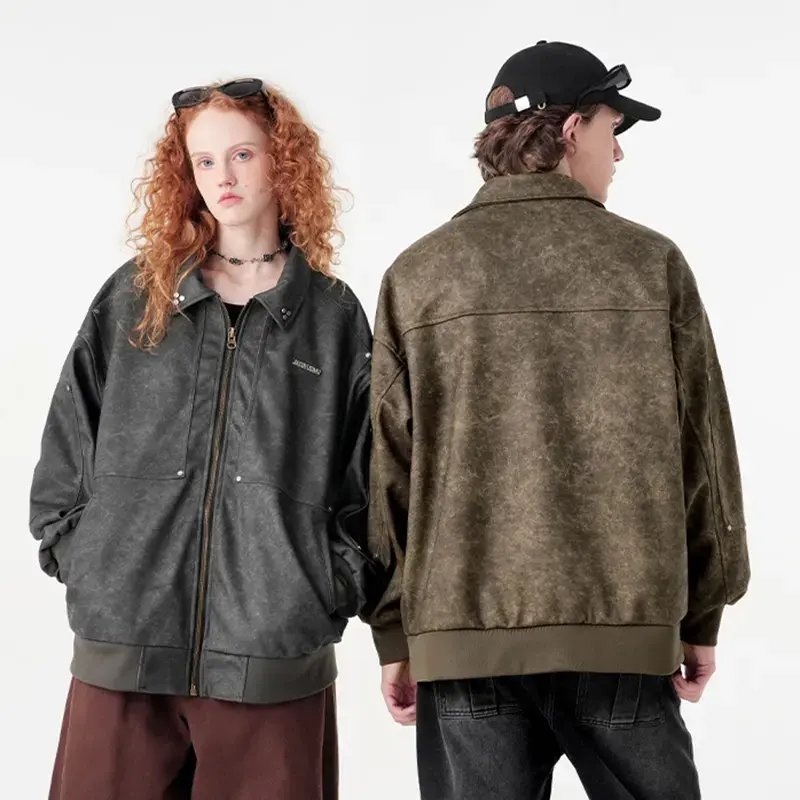
4. Maintenance and care of waterproof jackets and breathable jackets
(I) Maintenance of waterproof jackets
Regular cleaning: Use a neutral detergent and a soft brush to gently scrub the jacket. Avoid using detergents containing bleach or softener to avoid damaging the waterproof coating.
Avoid high temperatures: Do not expose waterproof jackets to high temperatures, such as exposure to the sun, drying, etc., to avoid damaging the waterproof performance.
Re-waterproofing: After washing or after a period of use, you may need to re-waterproof. You can use products such as waterproof spray or waterproof wax and follow the product instructions to restore the waterproof performance of the jacket.
(II) Maintenance of breathable jackets
Keep clean: Wash the jacket regularly to remove sweat stains, dirt, etc. and maintain breathability. You can use conventional washing methods, but be careful to avoid using overly strong detergents or bleach.
Ventilation and drying: When not wearing, place the jacket in a ventilated and dry place to avoid the growth of bacteria and odor caused by humid environment.
Avoid excessive wear: When wearing, be careful not to rub or scratch the jacket against rough objects to avoid damaging the breathable structure of the fabric.
In short, waterproof jackets and breathable jackets each have their own characteristics and advantages, and the choice should be based on the type of activity, weather conditions and personal needs. No matter which jacket you choose, proper care and maintenance can extend its life and maintain good performance.