
One-stop supplier of jackets
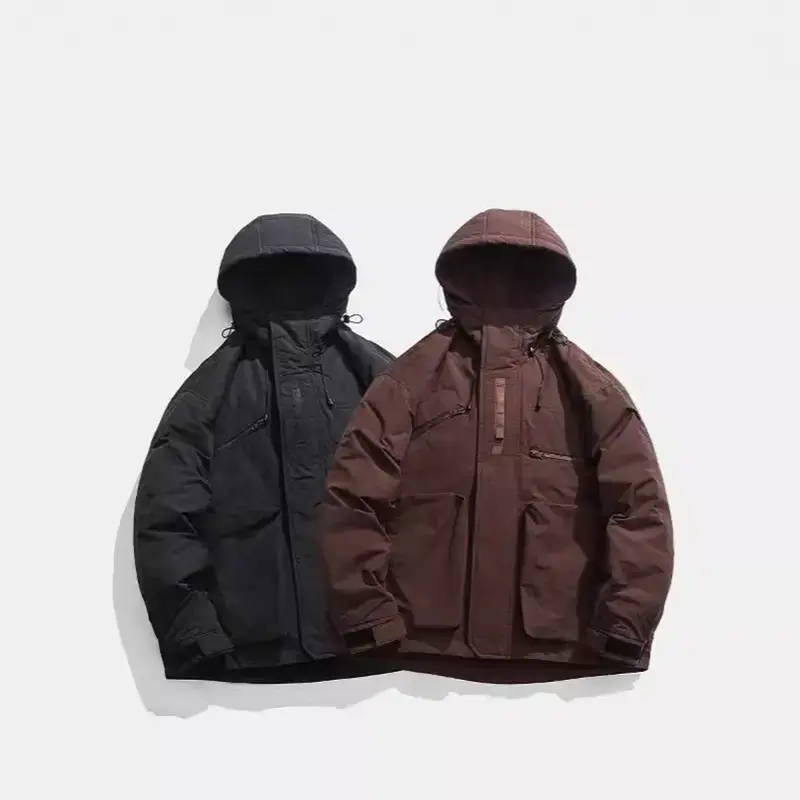
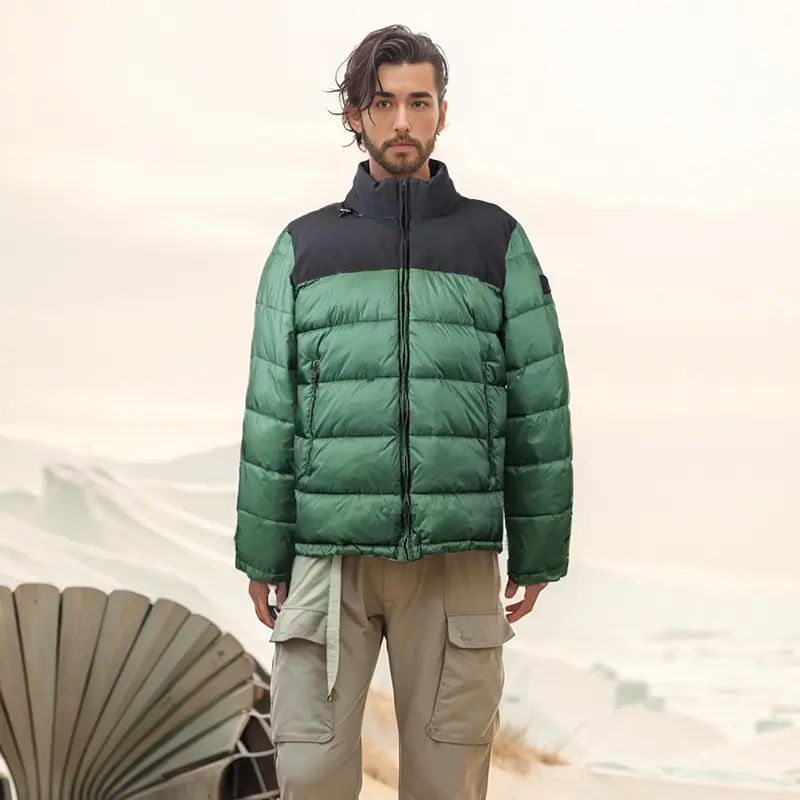
What are the breathable designs of jacket linings?
What are the breathable designs of jacket linings?
In today's era of increasing requirements for clothing functionality, the breathable design of jacket linings has become one of the important considerations for many consumers when purchasing. Good breathable design can not only improve the comfort of wearing, but also meet the needs of use in different scenarios. Next, this article will analyze the breathable design of jacket linings in detail from multiple aspects.
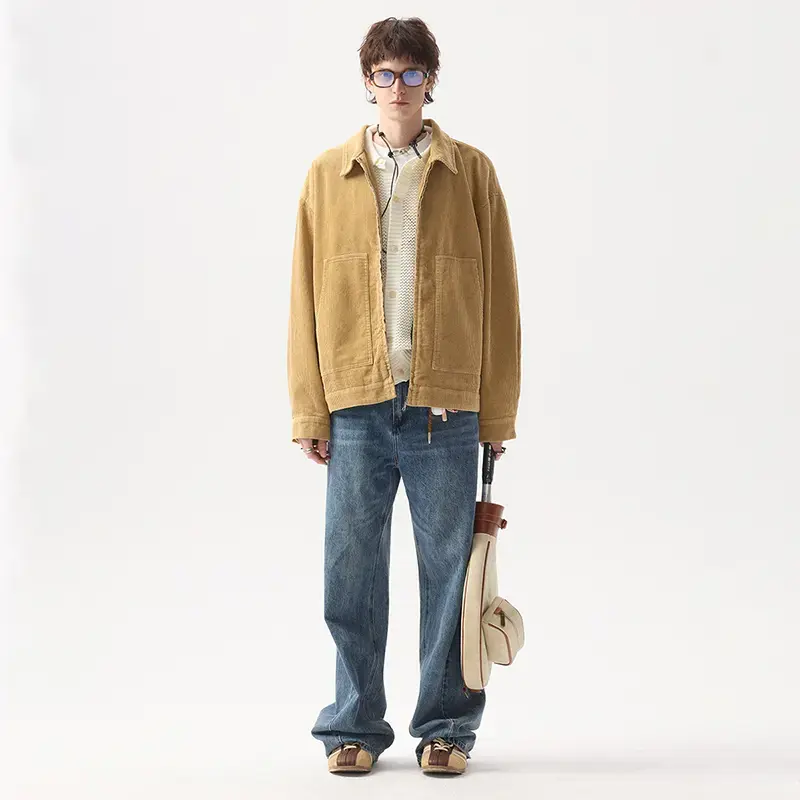
1. Selection of materials
(I) Natural fiber materials
Cotton: Cotton linings have good breathability and moisture absorption. It can absorb moisture emitted by the body, keep the skin dry, and the gaps between cotton fibers allow air to circulate, which plays a breathable role. For example, some casual jackets use pure cotton linings, which can effectively expel moisture from the body during daily wear. They are especially suitable for use in spring and autumn, making the wearer feel comfortable.
Wool: Wool linings have good warmth retention and certain breathability. Wool fibers have a natural curling structure that can form countless air layers, which can not only keep warm, but also allow air to circulate through them to achieve a breathable effect. Moreover, wool can absorb a certain amount of water and prevent moisture from accumulating around the skin. For example, in some high-end autumn and Winter Jackets, the use of wool lining can well balance the needs of warmth and breathability.
(II) Chemical fiber materials
Polyester fiber: It has the characteristics of high strength, good wear resistance, good wrinkle resistance, etc., and also has a certain degree of breathability. The specially treated polyester fiber lining can allow air to circulate through its tiny fiber gaps. Moreover, polyester fiber is not easy to shrink, has good shape stability, and can maintain good breathability for a long time. The lining of many sports jackets will use polyester fiber, which can still maintain good breathability even after repeated sports friction and multiple washings.
Nylon: Nylon lining is light and tough, and its breathability is also good. Its molecular structure allows gas to pass relatively freely, and the surface of nylon is relatively smooth, not easy to absorb dust and moisture, and can keep the air passage unobstructed. Some lightweight outdoor jackets or Flight Jackets will use nylon lining, which not only ensures the lightness of the jacket, but also realizes the breathability function.
(III) High-tech functional materials
Gore-Tex: This is a well-known waterproof and breathable membrane material. It has extremely small pores that can prevent water molecules from penetrating, thereby achieving a waterproof effect, while allowing water vapor to pass through, that is, the sweat produced by the human body can be discharged. Gore-Tex linings are widely used in some high-end outdoor sports jackets, such as mountaineering jackets and ski jackets. When the wearer is doing high-intensity exercise, a large amount of sweat produced by the body can be smoothly discharged outside the jacket, keeping the body dry and avoiding discomfort or hypothermia caused by sweat accumulation.
eVent: Similar to Gore-Tex, eVent is also a high-performance waterproof and breathable material. Its breathability mechanism is to quickly discharge water vapor through the molecular structure channels inside the material, while preventing external liquid water from entering. Jackets with eVent linings can maintain good breathability in various severe weather conditions, such as heavy rain and strong winds, and are suitable for professional outdoor explorers and consumers who have extremely high requirements for clothing functionality.
Coolmax: This material mainly uses its unique fiber structure to quickly guide the sweat emitted by the human body away from the skin surface, and expel the sweat from the body through air convection and other methods. It can effectively keep the skin dry and is often used in the lining of sports jackets. For example, in some running jackets or cycling jackets, Coolmax lining allows athletes to expel moisture from the body in time during exercise, reducing the contact time between the skin and wet clothes, thereby reducing friction and discomfort and improving the sports experience.
2. Structural design of lining
(I) Mesh structure
Three-dimensional mesh: This lining uses a special weaving process to form a three-dimensional mesh structure. The gaps between the meshes are large, and air can flow freely between the inside and outside of the jacket. Just like in a small "ventilation duct" system, heat and moisture can be quickly discharged. Some summer jackets or work jackets with high ventilation requirements will use three-dimensional mesh linings. When the wearer works or moves in a hot environment, he can clearly feel the circulation of air in the jacket, effectively reducing the body temperature.
Flat mesh: relatively simple, it is to make evenly distributed small holes or mesh on the lining material. It can also play a certain role in ventilation, but the ventilation effect is slightly weaker than that of three-dimensional mesh. However, the cost of flat mesh lining is relatively low, and the production process is relatively simple. It is more common in some mid- and low-end jacket products, and can also meet the ventilation needs of daily wear to a certain extent.
(II) Multi-layer composite structure
Breathable layer and waterproof layer composite: In some outdoor jackets, in order to meet the needs of waterproof and breathable at the same time, a multi-layer composite structure lining is used. For example, the inner layer is a soft, skin-friendly and breathable material, the middle layer is a waterproof and breathable membrane, and the outer layer is a fabric with a certain protective effect. This structure can prevent external rain from entering, and can also discharge the sweat generated by the body, keeping the body dry and comfortable. For jackets worn in outdoor adventures, skiing and other scenes, this multi-layer composite lining design can cope well with complex weather changes, allowing the wearer to focus on the activity itself without worrying about the performance of the clothing.
Thermal insulation layer and breathable layer composite: In autumn and winter jackets, in order to balance warmth and breathability, thermal insulation materials and breathable materials are composited together. For example, the inner layer is a thermal insulation material such as fleece or down, and the outer layer is a breathable fabric. This can not only ensure the warmth of the jacket, but also prevent the body moisture from being unable to be discharged due to the thermal insulation layer being too thick. In cold weather, the heat and moisture generated by human activities can be discharged through the breathable layer, avoiding the formation of a humid microenvironment around the body and improving the comfort of wearing.
3. Special breathable design elements
(I) Breathing holes and vents
Armpit breathable holes: The armpit is a part of the human body where the body is active and prone to sweating. Ventilation holes are set at the armpit position of the jacket to discharge the sweat generated in the armpit in time. These vents are usually opened and closed by zippers or buttons, which is convenient for the wearer to adjust the degree of breathability according to their exercise intensity and ambient temperature. For example, in a sports jacket, when the wearer is doing strenuous exercise, the underarm vents can be opened to allow heat and moisture to dissipate quickly; when the wearer is stationary or the ambient temperature is low, the vents can be closed to keep warm.
Back vents: The back is also an important part of the human body for heat dissipation. Some jackets are designed with vents on the back, and the location and size of the vents are carefully designed to ensure that air can flow smoothly through the back area. Some vents are also designed with mesh covers to prevent external debris from entering the jacket while allowing ventilation. When wearing a jacket for outdoor activities or physical labor, the back vents can keep the back dry and reduce discomfort and odor caused by sweating.
(II) Breathable zipper design
Hidden breathable zipper: This zipper is cleverly hidden in a certain part of the jacket, such as the side seam or the hem. When you need to increase breathability, open the zipper, and the air can form convection inside the jacket to discharge moisture and heat. The advantage of hidden breathable zippers is that they do not affect the overall appearance of the jacket, and can maintain the integrity and warmth of the jacket when ventilation is not required. Some fashion jackets or business casual jackets will adopt this design, which not only meets functional needs but also takes into account the aesthetics of the clothing.
Decorative breathable zippers: In addition to having a breathable function, they can also be used as decorative elements of the jacket. These zippers usually use bright colors or special shapes, combined with the overall design style of the jacket, to play an embellishment role. For example, in some sports casual jackets, decorative breathable zippers not only allow the wearer to adjust the breathability during exercise, but also show personality and fashion sense.
4. Breathability characteristics of unlined jackets
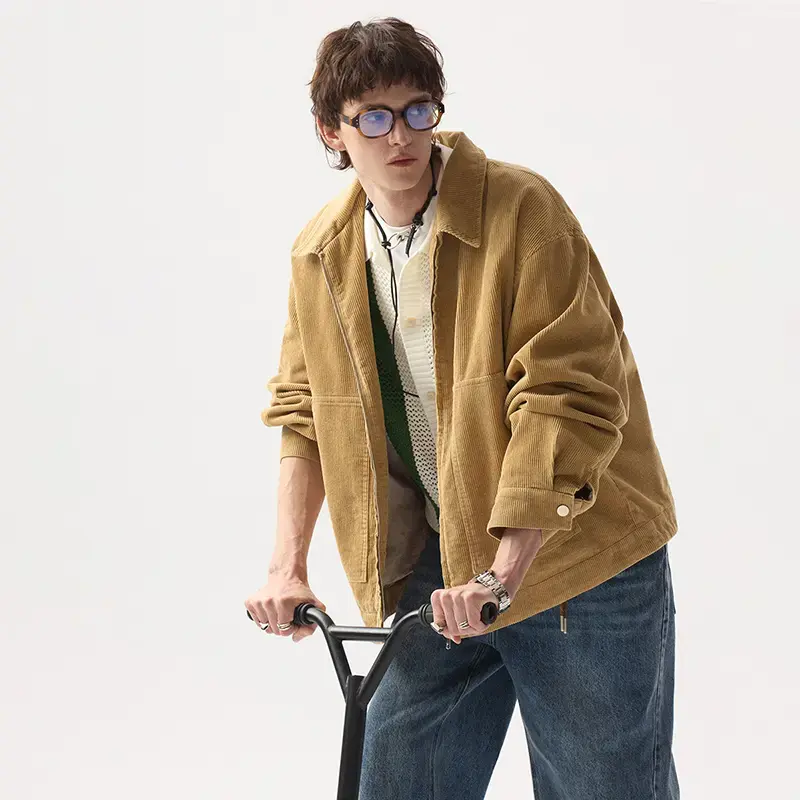
Unlined jackets have a place in the clothing market with their unique breathability characteristics. It does not have the constraints of traditional linings, allowing air to circulate more directly inside and outside the jacket. This type of jacket usually uses fabrics that are inherently breathable, such as burlap, lightweight tropical wool, etc. The woven structure of burlap is relatively loose, with a basket weave texture, and its porous nature allows air to pass through easily. Although lightweight tropical wool seems to be related to warmth, its fiber structure design can actually absorb moisture from the body and allow air to circulate between the fibers, thus achieving a breathable effect.
The breathability of an unlined jacket is not only reflected in the fabric, but also related to its overall structure. Because there is no lining, the internal space of the jacket is more open, and the heat and moisture emitted by the human body can be dissipated into the surrounding environment faster. This design is particularly suitable for wearing in warm climates or summer, allowing the wearer to feel cool and comfortable even in high temperatures. Moreover, unlined jackets can also show the tailoring process and internal structure of the clothing. Every seam and every stitch is clearly visible, reflecting the quality and artistry of the clothing, and is favored by many menswear enthusiasts.
5. Application of breathable design in different scenarios
(I) Outdoor sports scenarios
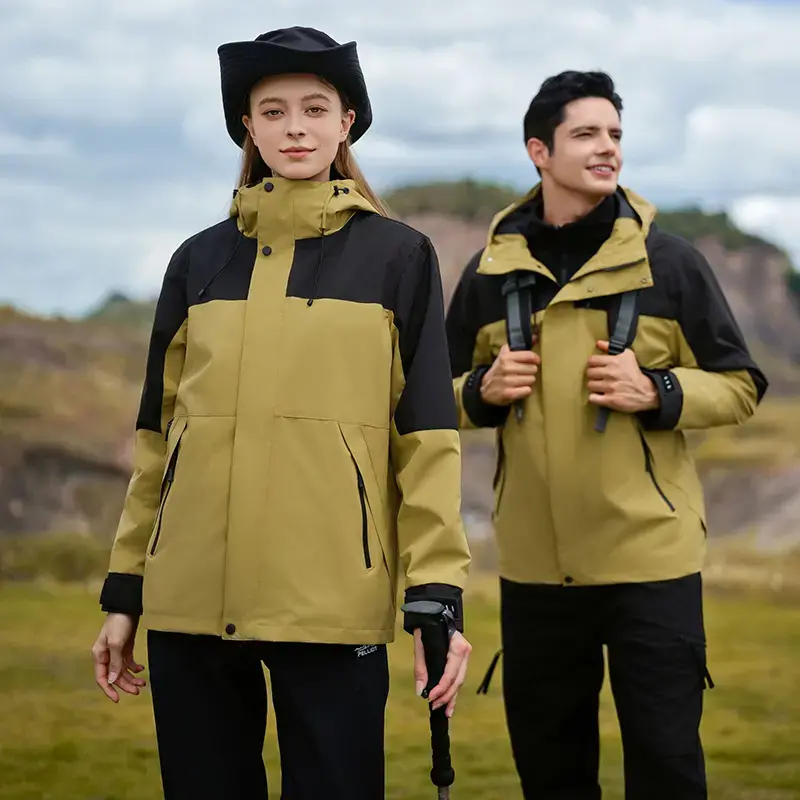
In outdoor sports, such as mountaineering, hiking, skiing, etc., the breathable design of the jacket is crucial. Since the human body generates a lot of heat and sweat during exercise, if there is no good breathable design, the sweat cannot be discharged, which will cause the body to be damp and cold, increasing the risk of colds and hypothermia. Jackets made of high-tech waterproof and breathable materials such as Gore-Tex and eVent, as well as jackets with special breathable design elements such as air holes and vents, can meet the ventilation needs of outdoor athletes in various complex environments. These designs can keep athletes dry during long-term exercise and give full play to their athletic ability. At the same time, they can also adapt to weather changes and provide all-round protection.
(II) Daily leisure scenes
In daily life, people also have certain requirements for the breathability of jackets. For example, in spring and autumn, the temperature changes greatly, and people need to wear jackets that are both warm and breathable when they are outdoors or commuting to work. Jackets lined with natural fibers such as cotton and wool, as well as jackets designed with mesh structures, can adapt well to daily leisure scenes. They allow the wearer to maintain a comfortable body feeling at different activity intensities, whether walking, shopping or gathering with friends, they can enjoy the comfortable experience brought by breathable jackets.
(III) Business commuting scenes
For business commuters, the breathability of jackets cannot be ignored. In the office or when attending business activities, there may be air conditioning and other equipment, but if the jacket is not breathable, it will still be stuffy when worn for a long time. Some business jackets use fabrics with good breathability, and pay attention to ventilation performance in the lining design, such as setting up hidden breathable zippers. These designs can not only ensure the formality and business style of the jacket, but also keep the wearer dry and comfortable during long-term wear without affecting the working state and image.
In summary, the breathable design of the jacket lining meets the needs of different consumers in various scenarios through the innovative selection of materials, the careful design of the structure, and the ingenious integration of special breathable elements. From natural fibers to high-tech functional materials, from simple mesh structures to complex multi-layer composite structures, from special designs such as breathable holes, vents, and breathable zippers, each design has its unique principles and advantages. At the same time, the emergence of unlined jackets also provides a new solution for breathability. When choosing a jacket, consumers can choose the jacket product that suits them best according to their actual needs, wearing scenarios, and requirements for breathability. In future clothing design, with the continuous advancement of technology and the continuous improvement of consumer demand, the breathable design of jacket linings will become more diversified and intelligent, bringing more comfort and convenience to people's wearing experience.