
One-stop supplier of jackets
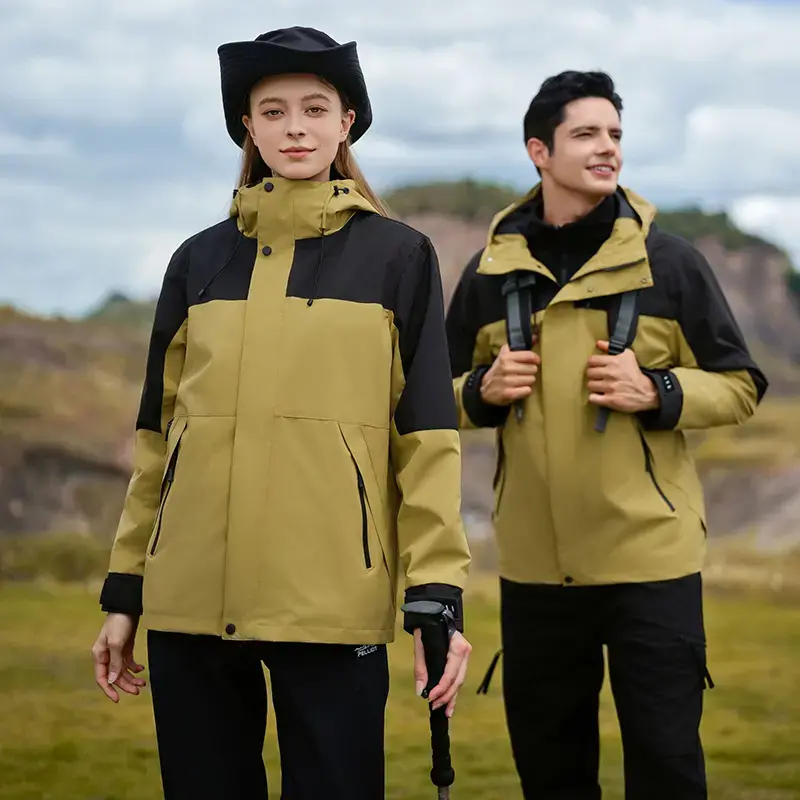
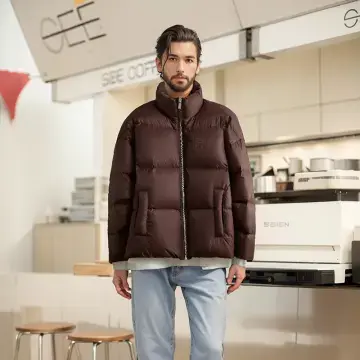
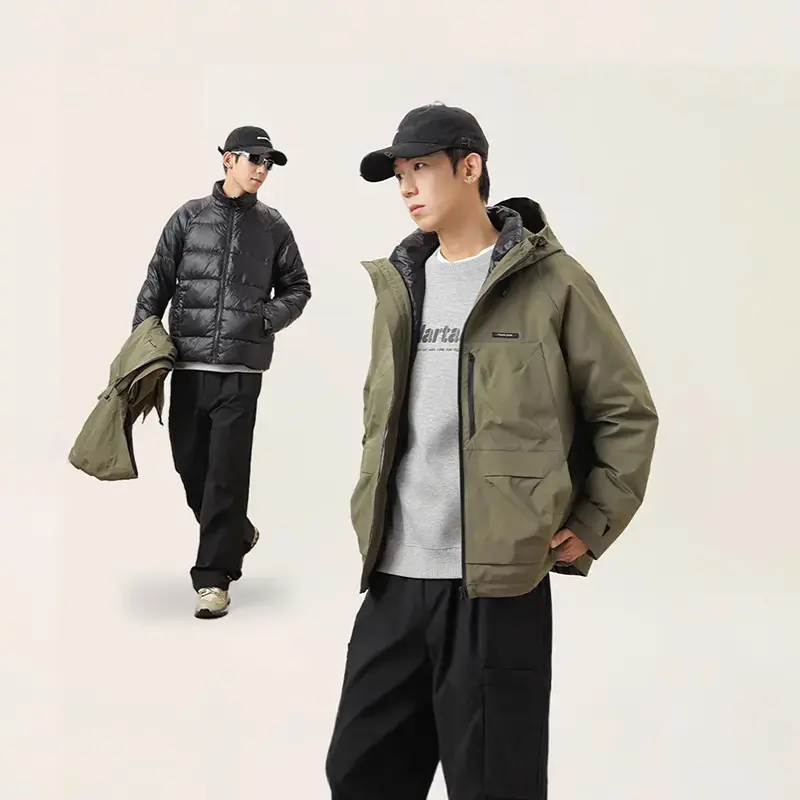
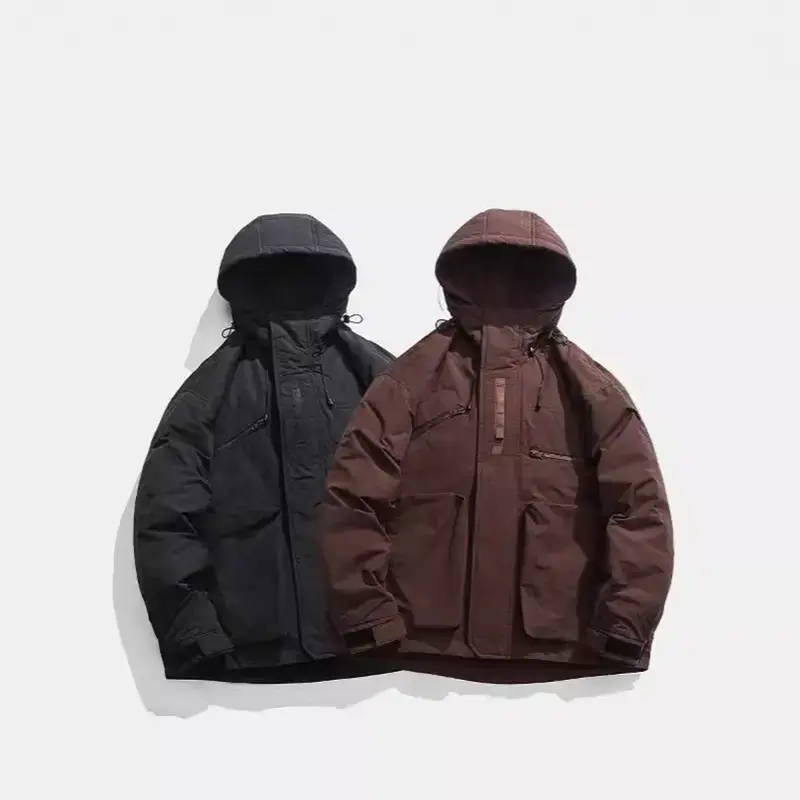
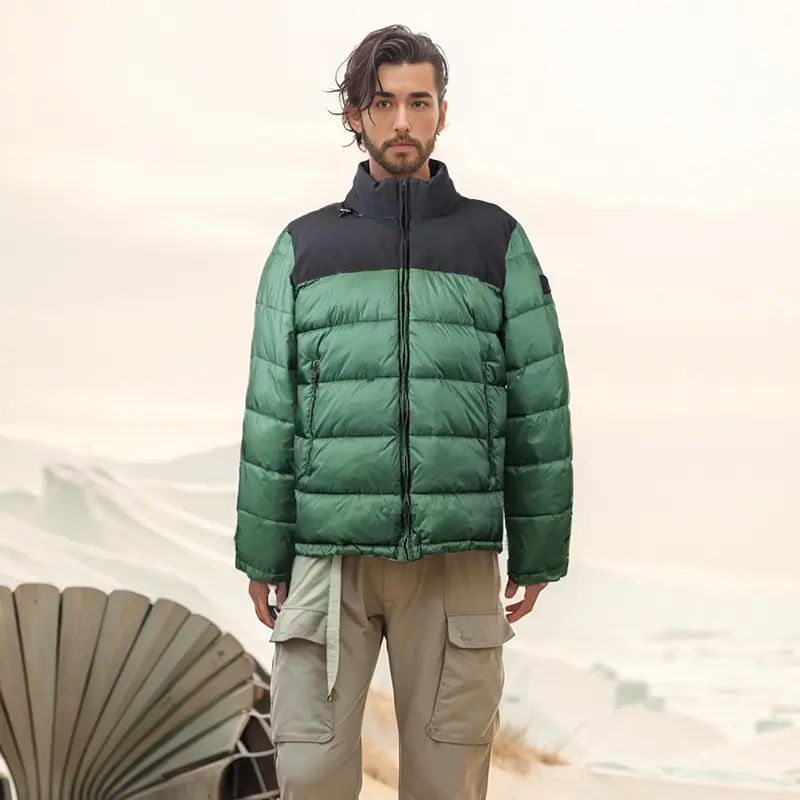
What are the characteristics of cotton coats and down jackets, and how should we choose?
Down jacketsand Cotton Jackets are the most commonly worn warm clothing in autumn and winter, whether it is professional outdoor sports such as climbing and skiing, or daily urban commuting. As far as outdoor sports are concerned, equipment should be selected and used according to the actual scene on the premise of understanding, so as to achieve twice the result with half the effort.
Down Jackets are mainly filled with goose down and duck down; in terms of warmth, duck down and goose down of the same quality can provide the same warmth, without any difference. Cotton jackets are filled with synthetic thermal insulation materials, and the cotton here refers to artificial synthetic cotton, not natural cotton.
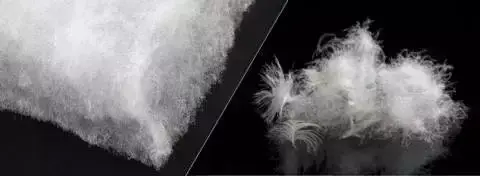
The principle of thermal insulation performance of down jackets and cotton jackets Before comprehensively comparing down jackets and cotton jackets, we first need to know how they achieve the purpose of warmth. There are three main ways of heat transfer: conduction, convection and radiation. In outdoor sports, convection is the main way of body heat loss. The way to avoid it is to find a medium that can accommodate as much air as possible, so that the air flows as little as possible in this medium, thereby avoiding the heat loss caused by convection. Down jackets and cotton jackets, either due to their natural structure or the use of very fine fibers, will have a certain space between the inner and outer layers of fabrics under normal use, and air rarely flows in this enclosed space, thereby achieving the purpose of heat preservation.
Comparison of the characteristics of down jackets and cotton jackets Fluffiness: Down jackets win Down content, fluffiness, and filling volume are important indicators for judging the quality of down products. Among them, fluffiness is an important indicator for measuring the quality of warmth preservation; the higher the fluffiness, the larger the volume of air layer can be fixed for heat preservation and insulation, so the warmth retention is better. In terms of fluffiness, artificial fibers that have evolved for more than 30 years cannot currently compete with down that has evolved for tens of millions of years in nature. Although the latest synthetic cotton has improved its performance by 10% over previous artificial fibers, it still has a certain gap with high fluffiness down.
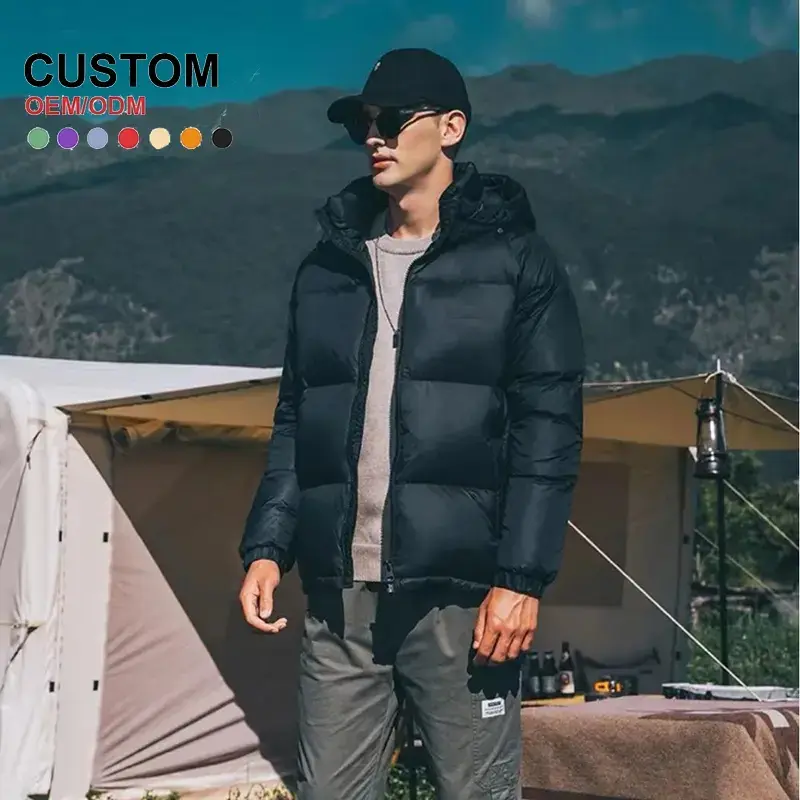
Weight ratio: Down jackets win over down and synthetic cotton with the same thermal insulation performance. Down has a better weight ratio and compressibility, and will occupy a smaller volume when not in use.
Compressed down jacket Cerium LT Hoody
Atom LT Hoody cotton jacket stored in the hood
Durability: Down jacket wins Although all down products face an embarrassing problem: "shedding", down will leak directly from the seams or even the surface of the fabric. But good down products can be used for decades with careful maintenance. After years of use, the fluffiness of the filling layer of synthetic cotton clothing will deteriorate, which will lead to a decrease in warmth. However, synthetic cotton technology is constantly improving, and after ten years of use, it can also be upgraded from a performance perspective.
Heat preservation after moisture: Cotton jackets are better than down. After contacting water, the volume may become only one-tenth of the original, or even less. In this case, its heat preservation properties are also reduced to one-tenth or even less of the original, which is basically equivalent to "streaking". However, after contacting water, artificial fibers can still basically maintain their shape, so they still have heat preservation properties. Experiments show that some synthetic cotton can still retain up to 90% of its heat preservation properties after contacting water. "Encountering water" is not limited to external factors such as rain and snow. The water vapor naturally emitted by the human body when sweating during exercise and sleeping is also included. At present, some down manufacturers have begun to try to produce "waterproof down" to solve this problem, hoping to resist the invasion of external water vapor; but the balance between waterproofness and breathability has become a new problem.
Drying speed: cotton clothes win over synthetic cotton quilts. After getting wet, they can be dried quickly; while down quilts take a long time to dry after getting wet. A typical example is that if you accidentally fall while crossing a river, after reaching the other side, synthetic cotton clothes may be dried in one or two hours of drying, while down clothes basically lose their function and must be replaced with other alternative clothes.
Price: Cotton clothes win over synthetic cotton. Synthetic cotton can be produced industrially, and the price will become more and more "affordable". Down can only be collected from poultry, and the cost will become higher and higher, which will lead to a sharp rise in prices in the international down market, and naturally make down products more and more expensive.
Which is better? There is no final conclusion on the dispute between down jackets and cotton jackets.
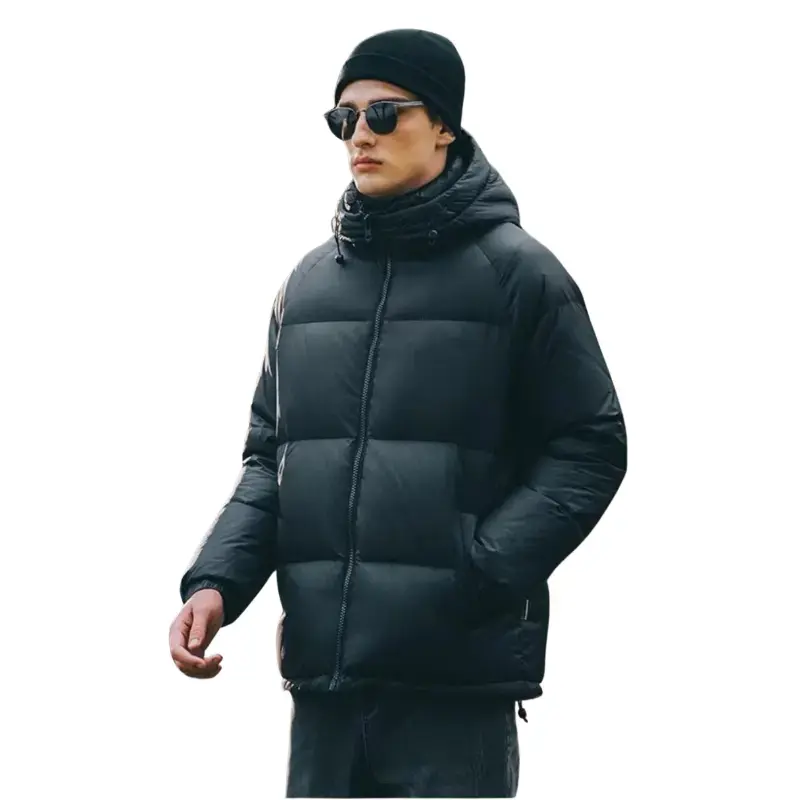
The advantages of down are good compressibility, better warmth per unit weight, and usually longer duration; the disadvantages are that it easily absorbs water vapor, loses warmth once wet, and is difficult to dry. Cotton jackets are relatively large in size and poor in compressibility, but they will not completely lose warmth even if they are wet. Once the surface of A Down Jacket is scratched or burned, a lot of down will leak out, but cotton jackets have no such problem at all.
Comprehensive comparison of down jackets and cotton jackets
How to choose? In fact, I have always firmly believed in one thing - there is no bad weather in the world, only bad choices. If you want to enjoy any exercise in any weather, the best way is to wear appropriate clothes according to the situation. This principle is especially applicable in autumn and winter.
In the natural environment, there are many reasons that may cause clothes to be soaked, including sweating, rain and snow, crossing rivers, digging snow caves, water bag leaks, etc. If you sweat easily, do long-term high-intensity outdoor sports (such as skiing), or technical climbing in wet environments such as rain and snow, then it is more appropriate to choose a lightweight cotton jacket as the middle layer, and wear it with a soft shell or hard shell jacket.
In cold environments, when you stop to protect, eat, or clean up the camp, quickly put on a down jacket to better prevent body temperature loss, and the intensity of exercise is relatively low at this time. The water-repellent performance of Arc'teryx down jackets is also enough to cope with light rain and snow.
For daily commuting in urban life, down jackets and cotton jackets are more flexible. They can be used as middle insulation layers, paired with soft shells and hard shell jackets, or as outer insulation layers, worn alone. Whether to choose the all-weather AR series or the lightweight LT series should take into account the weather conditions in different regions and personal dressing preferences.