
One-stop supplier of jackets
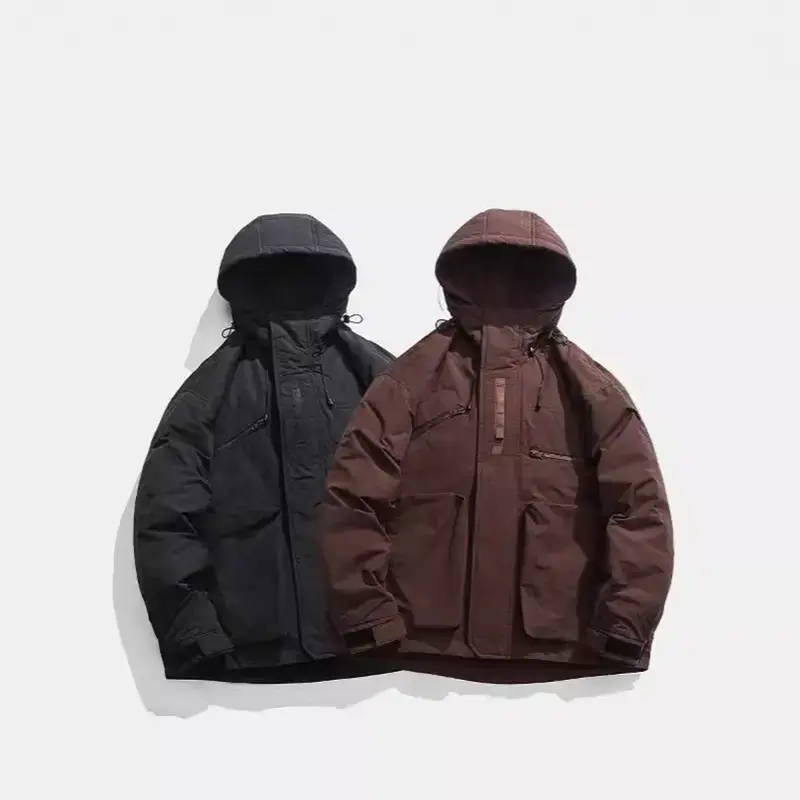
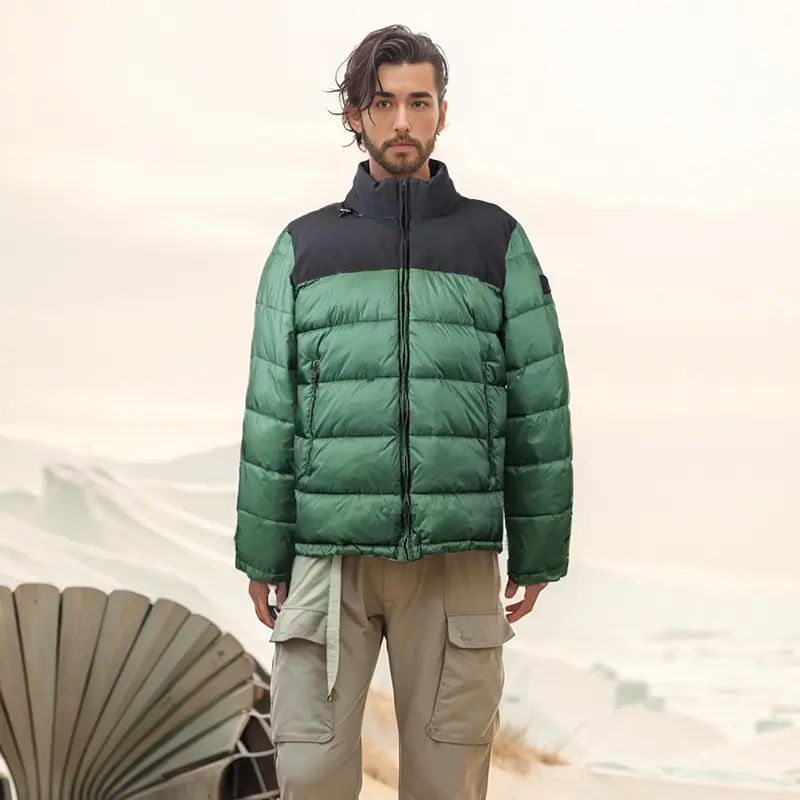
What are the tips for sewing jackets?
What are the tips for sewing jackets?
Tips for sewing jackets
Sewing jackets is a technical job that requires certain skills and details. Here are some key steps and tips to help you achieve professional results when sewing jackets.
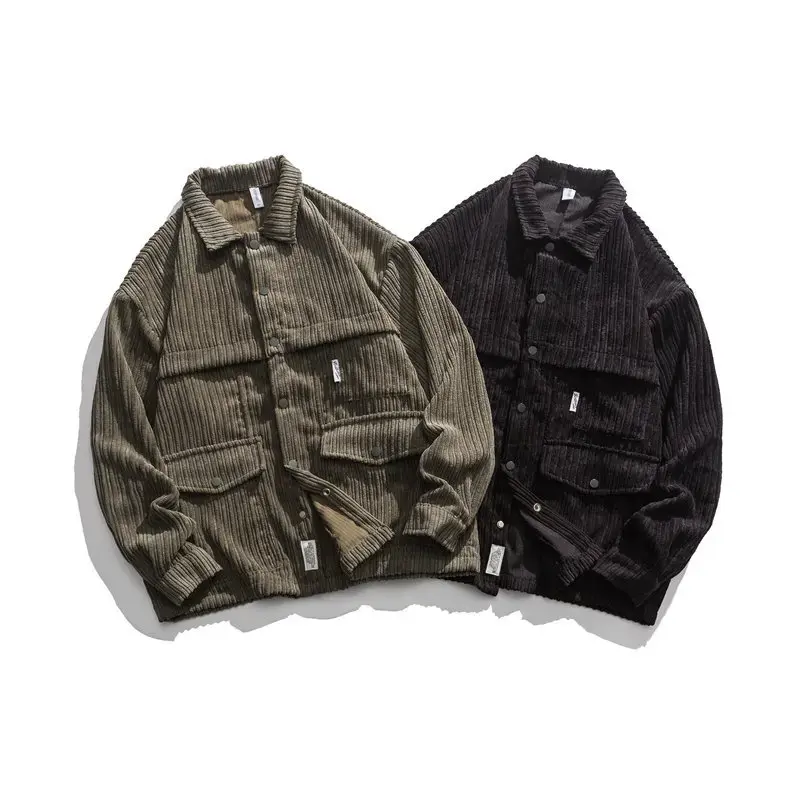
1. Choose the right fabric and accessories
Choosing the right fabric is the first step in sewing a jacket. The fabric should have good durability and comfort, while taking into account the functional requirements of the jacket, such as waterproof and breathable. Accessories such as zippers, buttons, pocket cloth, etc. should also match the fabric to ensure overall coordination
2. Accurate cutting
Cutting is a very important part of the sewing process. Make sure that all the pieces are accurate in size, and the symmetrical parts such as left and right collars, left and right pockets, left and right sleeves must be completely symmetrical. For patterned fabrics, the patterns also need to be matched to maintain the overall beauty
3. Sewing skills
Flat sewing: The front piece and shoulders of the body should be flat, especially when the collar and sleeves are flat
Treatment of pockets and pocket flaps: The pocket flaps are printed according to the net pattern. When sewing the stitches, the two ends should be slightly eaten. Turn over without spitting the mouth, and sew 15px visible stitches. The patch pockets are pressed with the pattern buckle method, and the pocket mouth is sewn with 50px visible stitches.
4. Sewing of the collar
The collar is a key part of the jacket and needs special attention. The sewing of the collar should ensure that the collar corners are round, the collar surface and the collar lining should be flat, and the collar should be tightly combined with the body
5. Sewing of the sleeves
When sewing the sleeves, attention should be paid to the control of the eating position and the matching of the arc line of the sleeve bottom with the arc line of the sleeve cage bottom of the body. There are no wrinkles on the sleeve cap, the stitching is straight, and the left and right sleeves are symmetrical
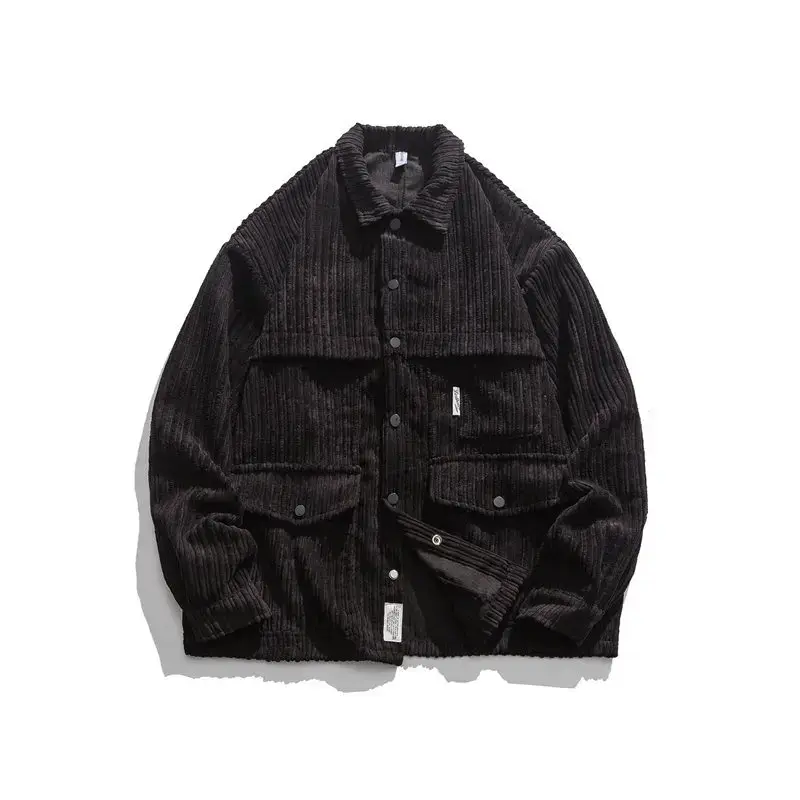
6. Treatment of the hem and cuffs
The treatment of the hem and cuffs should be meticulous, ensuring that the seams are even and the seams are straight. The width of the hem and cuffs is 3 to 4 cm. When sewing, the end angle of the arc part should be kept perpendicular to the net seam
7. Making of placket and buttonholes
The placket should be made flat, the buttonhole position should be accurate, and the buttonhole should be neat after being locked. The buttoning is done on the basis of the buttonhole position, and the buttoning is done at the outermost end of the buttonhole position
8. Sewing alignment marking
Before sewing, check whether the front garment piece, back garment piece, large and small sleeve pieces and collar pieces are missing marks, and perfect them
9. Processing of lining and interlining
The lining pattern is scaled based on the surface pattern, and a certain amount of sitting should be added at each seam. The interlining pattern is made based on the surface pattern and wool pattern. The interlining pattern should be 0.3cm smaller than the surface pattern around the whole interlining area
10. Sewing process
The sewing process includes making marks, making front pockets, making hem loops, sewing pleats and hem loops, making front body lining, making stoppers, closing shoulder seams, making collars, sewing collars, closing sleeve bottom seams and side seams, sewing sleeve heads, sewing hems, sewing plackets and hem topstitching, sewing shoulder pads, buttonholes, and buttoning.
With the above steps and techniques, you can sew a jacket that is both beautiful and comfortable. Remember to check and adjust continuously during the sewing process to ensure that every detail achieves the best effect.