
One-stop supplier of jackets
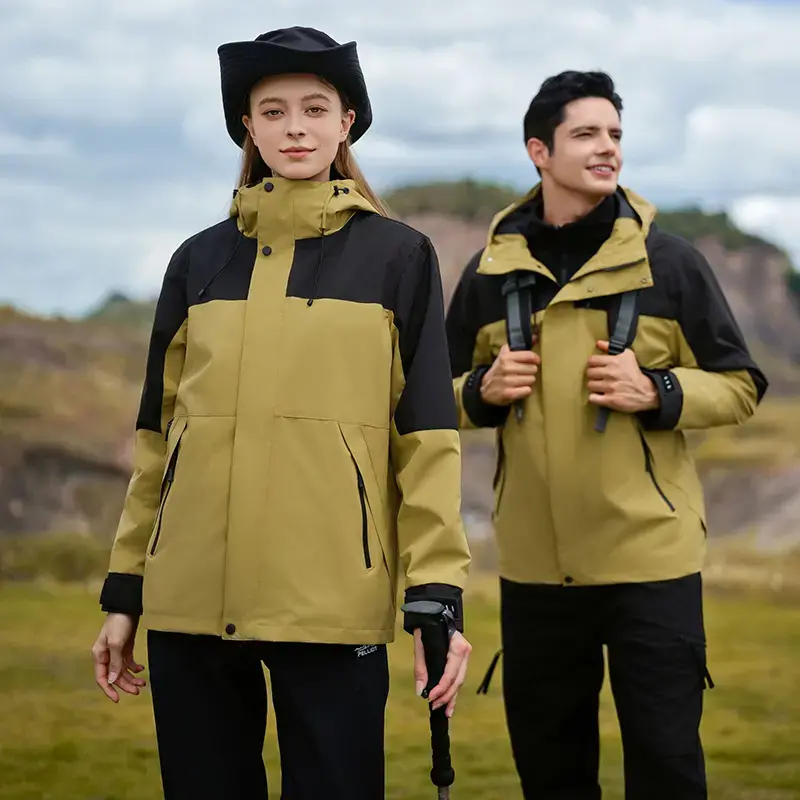
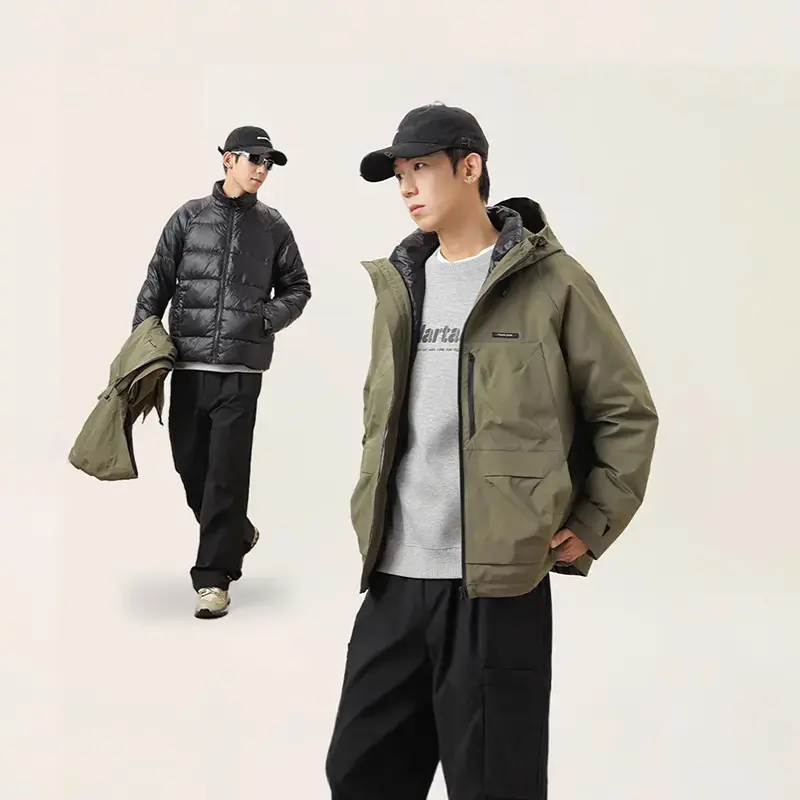
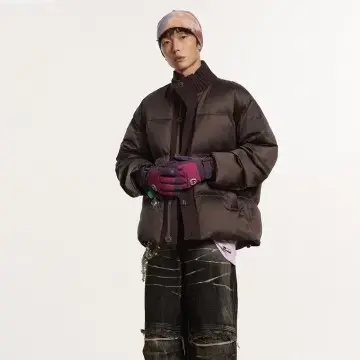
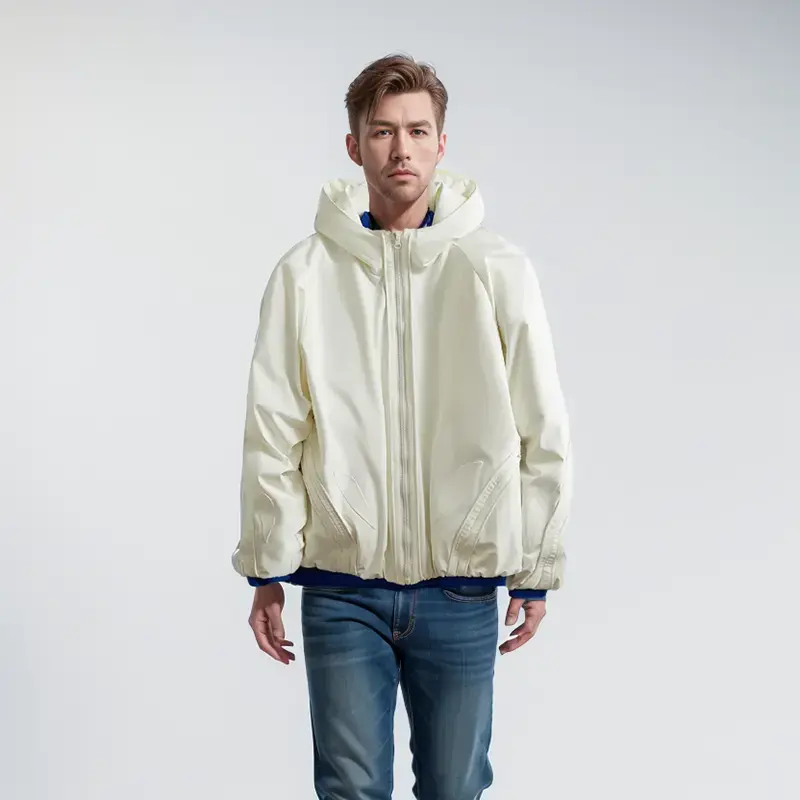
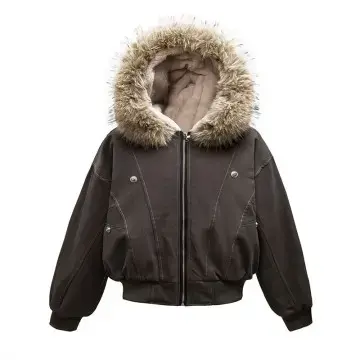
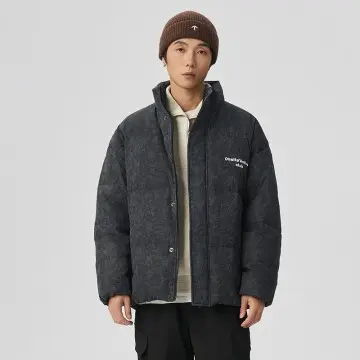
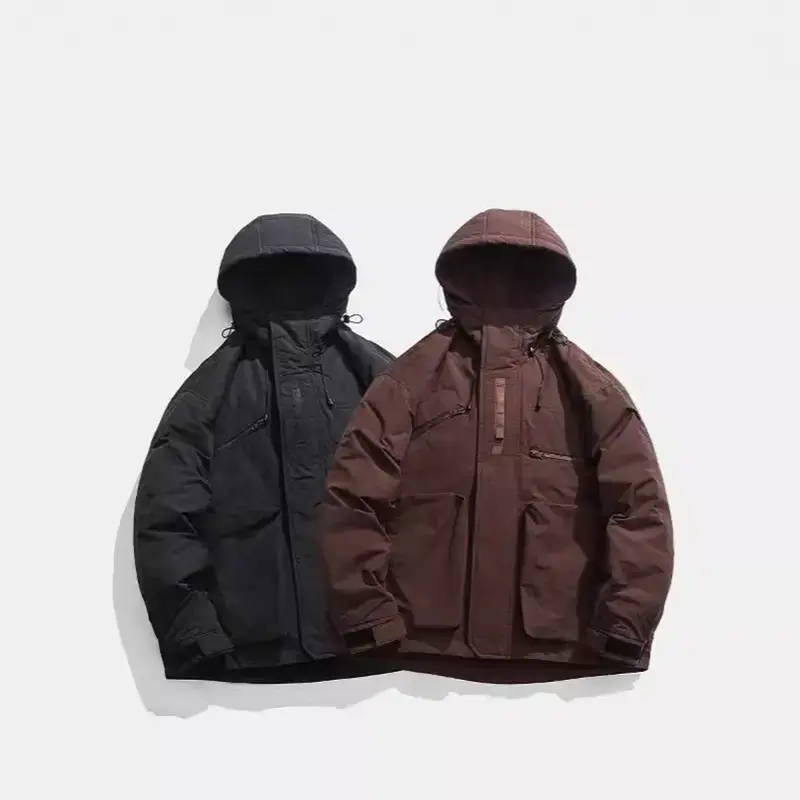
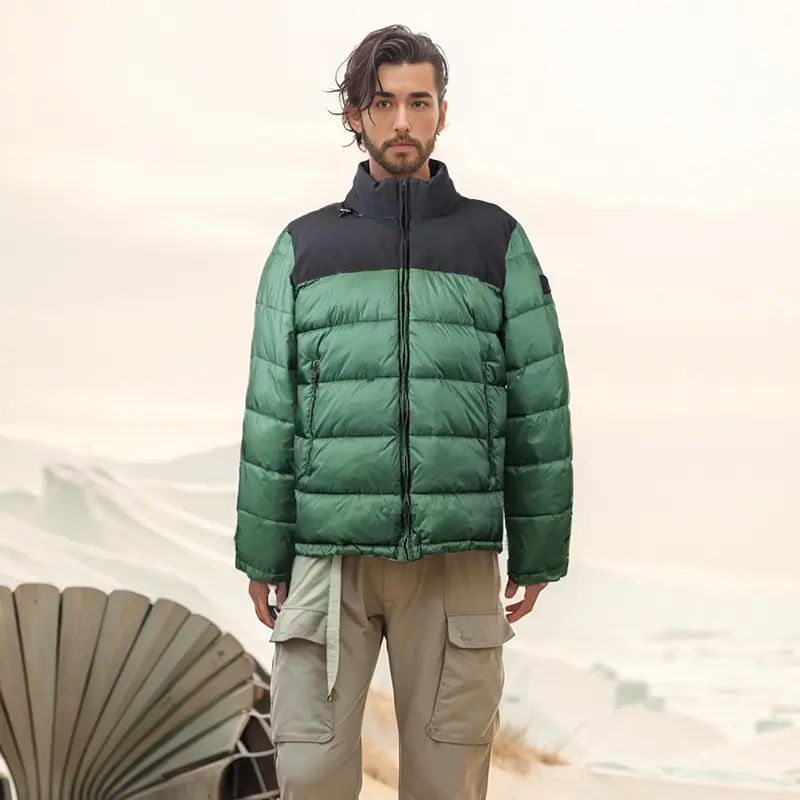
What is it like to have a coated down jacket?
In windy weather, many people will wear Down Jackets made of windproof fabrics, and coated down jackets are everyone's first choice.Coated fabrics have the advantages of novel fabrics, bright colors, and comfortable feel. Now they are increasingly used in clothing fabrics and are also one of the fabrics that everyone likes. So how do we usually identify whether the fabric of a piece of clothing is coated fabric?
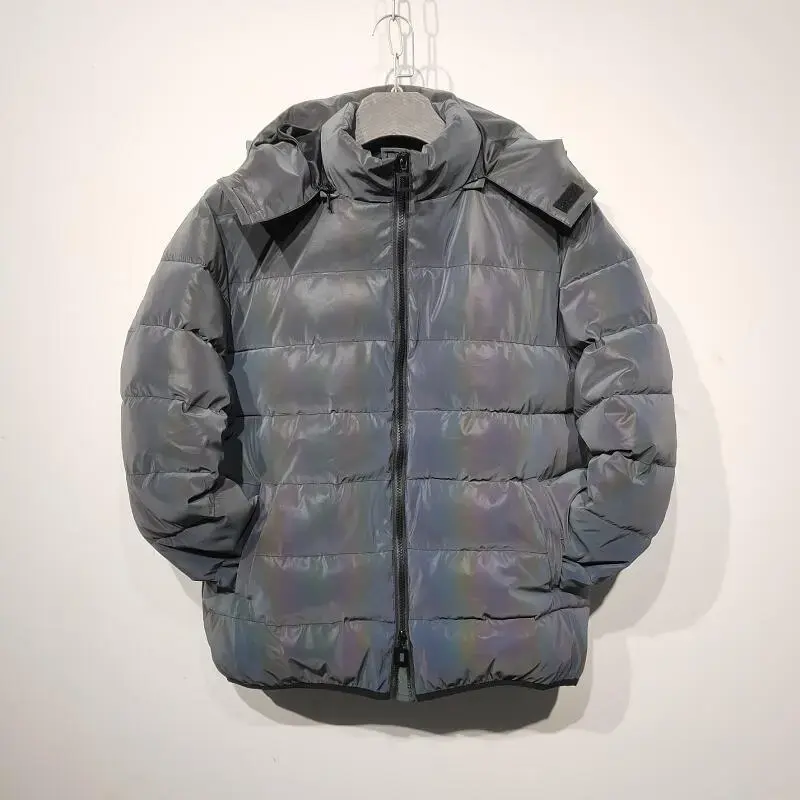
1. What is coated fabric?
Coated fabric is a kind of fabric treated by a special process. The coating is a mixture of rubber and resin. It can form a uniform layer of covering rubber on the surface of the fabric, thereby achieving functions such as waterproof, windproof, and breathable.
The current types of coated fabrics are roughly divided into the following categories:
1. PA coating
PA coating is also called AC glue coating, that is, acrylic coating. It is currently the most common and common coating. After coating, it can increase the feel, windproof, and drape.
2. PU coating
That is, polyurethane coating. After coating, the fabric feels full, elastic, and has a film feel on the surface.
3. Anti-Down Coating
It refers to anti-down coating, which can prevent down from running after coating, and is suitable for down jacket fabrics. But now all PA coatings with water pressure requirements are also called anti-down coatings.
4. PA white glue coating
It means applying a layer of white acrylic resin on the surface of the fabric, which can increase the coverage of the fabric, prevent color from penetrating, and make the fabric color brighter.
5. PU white glue coating
It means applying a layer of white polyurethane resin on the surface of the fabric, which has the same effect as PA white glue, but PU white glue feels fuller after coating, the fabric is more elastic and has better fastness.
6. PA silver glue coating
It means applying a layer of silver-white glue on the surface of the fabric, so that the fabric has the function of shading and radiation protection, which is generally used for curtains, tents, and clothing.
7. PU silver glue coating
The basic function is the same as PA silver glue coating. But PU silver-coated fabrics have better elasticity and better fastness. For fabrics that require high water pressure such as tents, PU silver coating is better than PA silver coating.
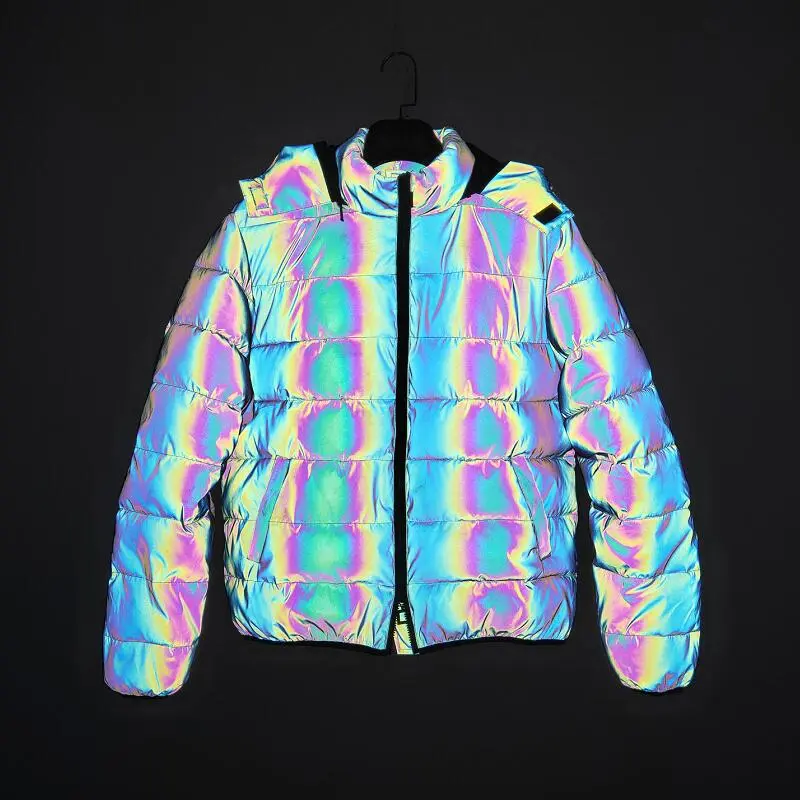
8. Pearlescent coating
By applying pearlescent coating to the surface of fabric, the surface of fabric has pearlescent luster, silvery white and colorful. It is very beautiful when made into clothing. There are also PA pearlescent and PU pearlescent. PU pearlescent is smoother and brighter than PA pearlescent, with better film feeling, and is also known as "pearl film".
9. Flame retardant coating
It is to use flame retardant coating glue to coat the surface of ordinary fabric or cotton flame retardant fabric to achieve a certain flame retardant effect and waterproof effect. This kind of coated flame retardant fabric is used more on tents and car clothes.
2. Why can't coated fabrics be dry cleaned?
During the dry cleaning process, tetrachloroethylene will degrease or dissolve the coating to a certain extent, thus causing dry cleaning accidents. Coated fabrics are mostly made of polyester or nylon, with a flat appearance and no broken wrinkles. Its characteristics are: impermeable and airtight. Among them, PU coated fabrics can be dry cleaned with petroleum solvents.
If it is dry-cleaned with tetrachloroethylene, it may cause local blistering; dark fabrics will produce light-colored strips or irregular flakes; some coated fabrics will also produce coatings that dissolve and penetrate to the outside, making them sticky; even worse, they will become hard and break when bent. Therefore, coated fabrics must be washed with water instead.
3. How to identify whether the clothes are coated fabrics?
Provide identification methods: You can use its waterproof and airtight properties to identify. Put it on the stain removal table, put a drop of water on the fabric of the clothes, turn on the suction of the stain removal table, and observe the state of the water drop. If the water drop does not change, it means that the fabric is a coated fabric. If the water drop enters the fabric when the suction is turned on, it means that it is not a coated fabric. In the absence of a stain removal table, you can also use the mouth blowing method. If it is a coated fabric, the air blown will not penetrate.
4. How to clean coated fabrics?
Some coated fabrics will become hard when they are cooled immediately after being heated, and they are prone to aging over time. Therefore, coated clothes cannot be dry-cleaned, but can only be washed with water. First, soak the clothes in warm water, then use a soft brush dipped in washing powder or detergent to remove stains from severely contaminated areas, and then use warm water and washing powder or detergent to hand wash the clothes. Do not rub hard during washing, and the washing time should not be too long, generally 3-5 minutes is enough. After rinsing with warm water, wipe off the water droplets remaining on the surface of the clothes with a towel, and hang them in a ventilated place away from light to dry. After drying, you can use a soft brush to sort out the fluffy clothes. This type of clothes should not be ironed, and can be worn directly after drying.
Precautions:
1. Do not use organic solvents, such as alcohol, gasoline, etc. These organic solvents will damage the coating. Once the coating is damaged, the clothes will be useless. Do not use acidic detergents, which will also damage the coating.
2. Do not machine wash. The high-speed rotation during machine washing and dehydration will separate the coating and the substrate.
3. Local cleaning: Use a universal foam cleaner, spray it evenly on the surface of the coated clothes at a distance of about 20cm from the stain, wait for 30~50 seconds, and then gently wipe the stain surface with a cotton cloth.
4. Use warm water of about 40 degrees and add an appropriate amount of neutral detergent, soak for about 10 minutes, do not soak for a long time. Then use a soft brush to gently scrub, rub and grab it a few times.
5. Do not expose to the sun, which will age the coating. It is best to air dry or reverse it.