
One-stop supplier of jackets
What material of sun protection clothing is more effective?
What material of sun protection clothing is more effective?
In the context of the growing global demand for sun protection products, sun protection clothing has been favored by many consumers as an efficient and convenient way of sun protection. For international wholesale buyers, it is crucial to understand the performance and characteristics of sun protection clothing made of different materials, which can not only help them better choose products, but also meet the needs of different markets and consumers.
1. The sun protection principle of sun protection clothing
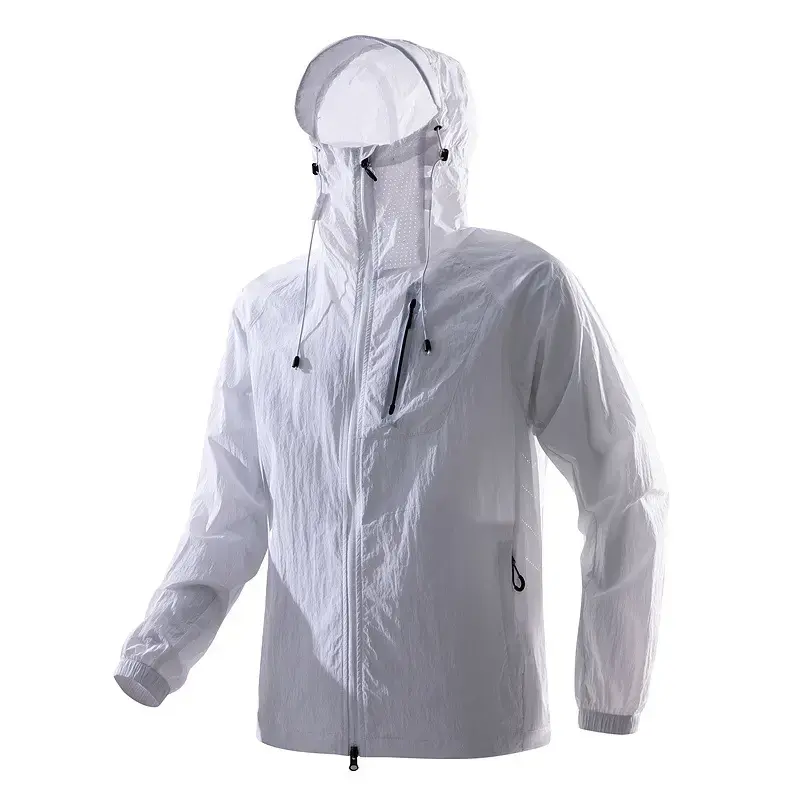
Before discussing the sun protection effects of different materials, let's first understand how sun protection clothing achieves the sun protection function. When ultraviolet rays are irradiated on the surface of clothing, reflection, scattering, absorption and penetration will occur. Sun protection clothing plays a sun protection role by enhancing the fabric's ability to reflect, scatter or absorb ultraviolet rays, reducing the ultraviolet rays that pass through the fabric to the skin surface.
2. Common sun protection clothing materials and their sun protection effects
(I) Polyester fiber (polyester)
Polyester fiber is one of the most common sun protection clothing materials on the market, and its sun protection effect is outstanding among many fibers. Polyester fiber itself has good anti-ultraviolet properties and can effectively block the penetration of ultraviolet rays. In addition, the anti-ultraviolet treatment technology of polyester fiber is mature, and its sun protection performance can be further improved through special coating or fiber modification. Polyester fiber sun protection clothing also has the advantages of quick drying, wear resistance, and easy cleaning, which is suitable for outdoor activities. Among all chemical fibers, the sun protection effect of polyester fiber ranks first.
(ii) Nylon
Nylon is also a material widely used in sun protection clothing, and its sun protection effect is second only to polyester fiber. Nylon fabric is light, soft, wear-resistant and durable, and has good breathability and is comfortable to wear. Nylon has strong moisture absorption and perspiration ability and a large thermal conductivity, which can provide a significant instant cool feeling when in contact. In addition, nylon has a high density and good wrinkle resistance, which is suitable for long-term outdoor activities. In some high-end sun protection clothing, nylon is often blended with spandex to improve the elasticity and fit of the fabric.
(iii) Acrylic
Acrylic's sun protection effect is also relatively outstanding among chemical fibers, even better than polyester fiber. It has good light resistance and weather resistance, and can maintain sun protection performance for a long time. Acrylic fiber has good elasticity and is not easy to deform, so it is suitable for making sun-protective clothing that can be worn close to the skin.
(IV) Natural fibers
The sun protection effect of natural fibers is relatively weak, but some specially treated natural fibers also have good performance. For example, flax is the material with the best sun protection effect among natural fibers. Wool is also better than cotton and linen in sun protection. However, the common properties of natural fibers are high breathability and comfort, which are suitable for daily wear, but their sun protection ability is limited in high-intensity ultraviolet light environments.
(V) Blended fibers
Blended fibers combine the advantages of multiple fibers, and common ones include polyester fiber and nylon blends, polyester fiber and cotton blends, etc. Fabrics blended with polyester fiber and nylon have both the sun protection performance of polyester fiber and the softness and comfort of nylon. Fabrics blended with polyester fiber and cotton increase the softness and breathability of cotton fiber while maintaining the sun protection performance of polyester fiber. This blended fabric is suitable for daily wear and light outdoor activities.
III. Other factors affecting the sun protection effect
(I) Weaving structure
The weaving structure has a significant impact on the sun protection effect of sun protection clothing. Generally speaking, the tighter the weaving structure of the fabric, the less UV light transmits. The structure of woven fabrics is usually tighter than that of knitted fabrics, so their sun protection effect is better. However, a too tight weaving structure may reduce the breathability of the fabric, so when designing sun protection clothing, it is necessary to find a balance between sun protection performance and breathability.
(ii) Color
Color also has an important impact on the sun protection effect. Dark-colored fabrics have better sun protection than light-colored fabrics because dark-colored fabrics are more likely to absorb ultraviolet rays. Among the dark colors, red has the best sun protection effect. In addition, high-saturation colors have better sun protection than low-saturation colors.
(iii) UPF value
Ultraviolet protection factor (UPF) is an important indicator to measure the sun protection performance of sun protection clothing. According to international standards, fabrics with a UPF value greater than 40 and a UVA transmittance less than 5% can be called UV protection products. When choosing sun protection clothing, products with higher UPF values should be given priority.
4. Applicable scenarios of sun protection clothing made of different materials
(I) Outdoor sports
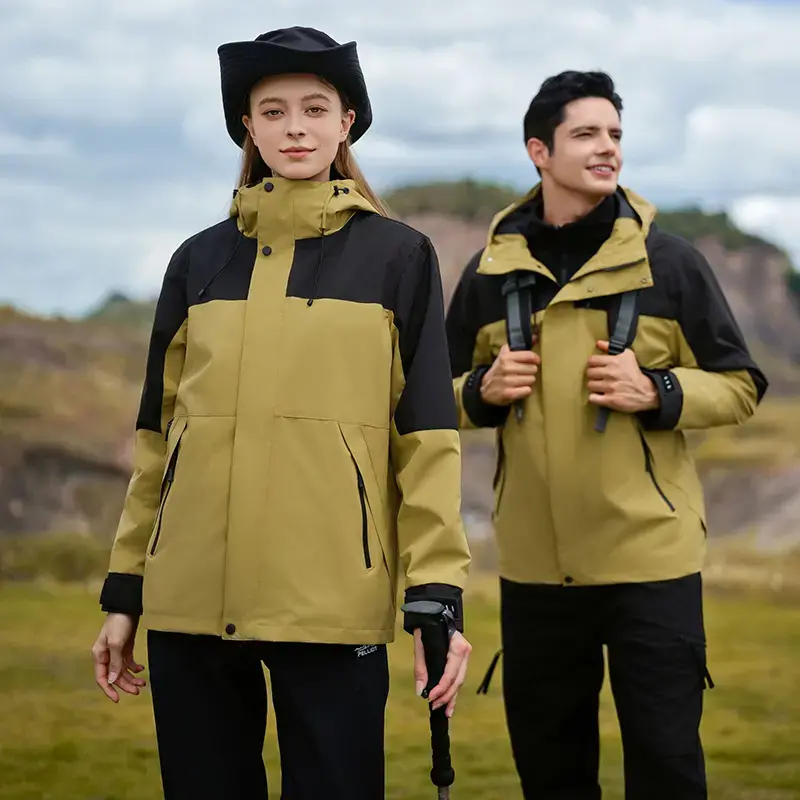
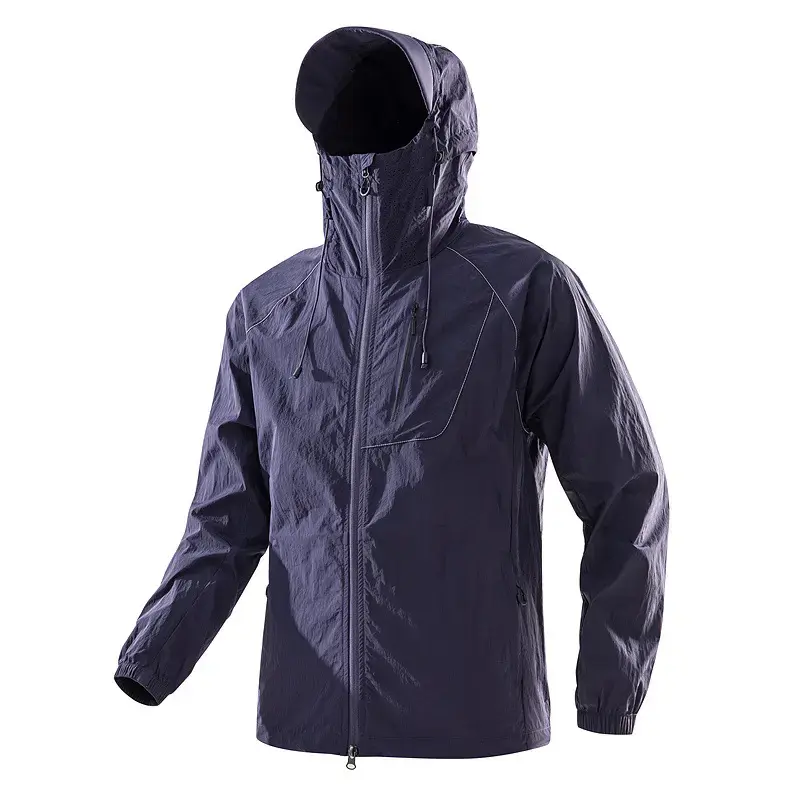
For high-intensity outdoor activities such as mountaineering, hiking, and beaches, it is recommended to choose sun protection clothing made of polyester or nylon. These materials have excellent sun protection, wear resistance, and quick drying properties, which can meet the needs of outdoor activities. For example, the UPF value of polyester sun protection clothing is usually high and can effectively block ultraviolet rays. Nylon sun protection clothing is suitable for long-term outdoor activities because of its lightness, softness, and good breathability.
(II) Daily wear
In daily life, you can choose sun protection clothing made of blended fibers or specially treated natural fibers. Sun protection clothing made of these materials has good breathability and is comfortable to wear. For example, fabrics blended from polyester and cotton have both the sun protection properties of polyester and the softness and breathability of cotton.