
One-stop supplier of jackets
Which color of sun protection clothing has the best sun protection effect?
Which color of sun protection clothing has the best sun protection effect?
In the hot summer, sun protection clothing has become a must-have item for outdoor activities. For international wholesale buyers, it is crucial to understand the sun protection effect of sun protection clothing of different colors, because this is not only related to the market competitiveness of the product, but also directly affects the health and comfort of consumers. This article will explore the sun protection performance of sun protection clothing of different colors in depth to help you make more informed decisions when choosing and purchasing sun protection clothing.
1. Basic principles of color and sun protection effect
(I) Characteristics of ultraviolet rays
Ultraviolet rays are invisible light other than purple light in the solar spectrum. According to the wavelength range, ultraviolet rays can be divided into UVA (320-400nm), UVB (280-320nm) and UVC (100-280nm). Among them, UVA and UVB are the main types of ultraviolet rays that reach the earth's surface. UVA has strong penetrating power and can penetrate deep into the dermis of the skin, causing skin photoaging, spots and wrinkles; UVB mainly acts on the surface of the skin, causing sunburn and redness.
(II) Color and reflection and absorption of light
The essence of color is the selective reflection and absorption of light by an object. When sunlight shines on the surface of an object, the object absorbs part of the light and reflects another part of the light. The color we see is the color of the light reflected by the object. For sun protection clothing, the choice of color will affect its ability to reflect and absorb ultraviolet rays. Dark fabrics usually absorb more ultraviolet rays, while light fabrics reflect more ultraviolet rays.
2. Comparison of sun protection performance of sun protection clothing of different colors
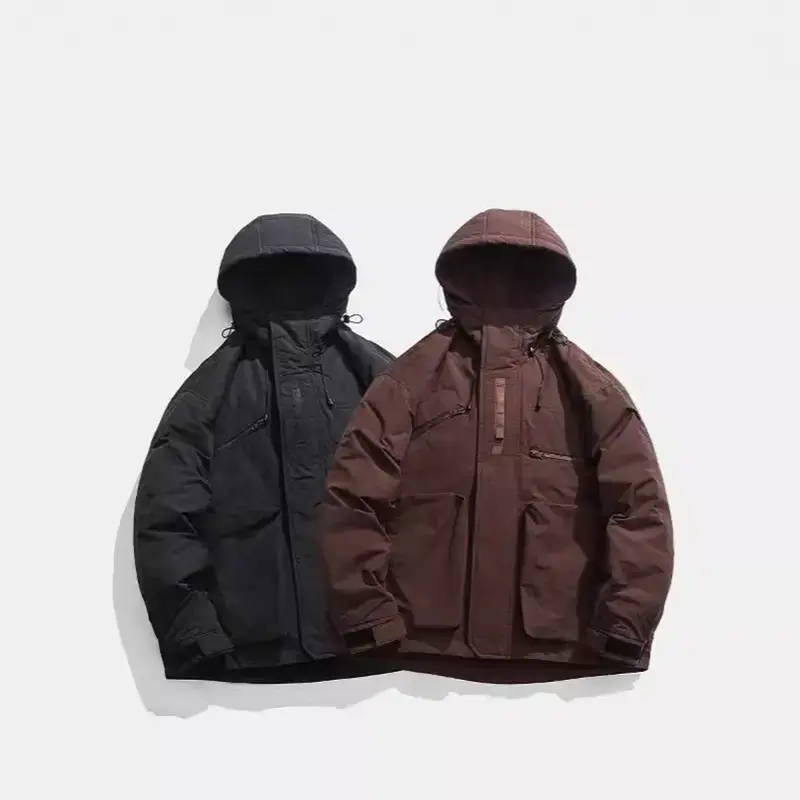
(I) Red sun protection clothing
Red sun protection clothing is considered to be one of the better choices for sun protection. This is because red light has a longer wavelength and can absorb and filter out a large amount of ultraviolet rays. Experiments have shown that the temperature of red T-shirts is relatively low under long-term exposure, indicating that they can effectively block the penetration of ultraviolet rays. In addition, the dye molecules in red fabrics contain specific groups that can absorb ultraviolet rays, thereby enhancing their sun protection performance.
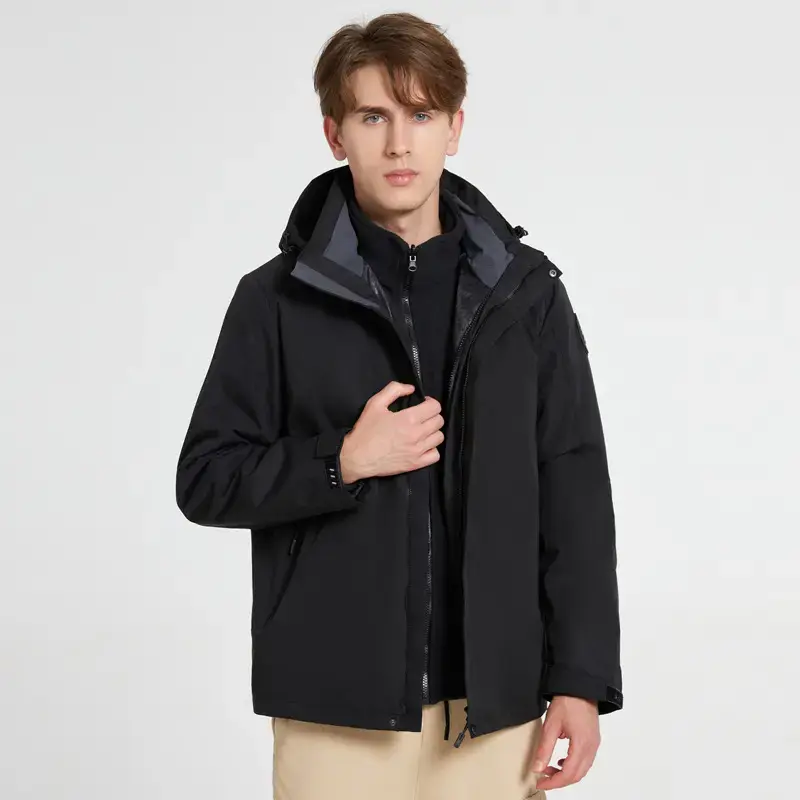
(II) Black sun protection clothing
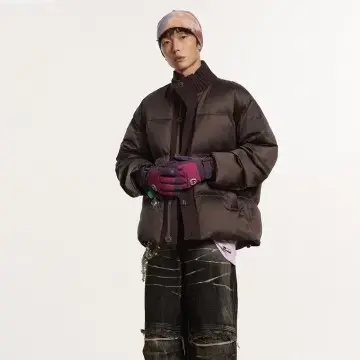
The sun protection effect of black sun protection clothing is also more significant. Black fabrics absorb most of the visible light and also absorb a large amount of ultraviolet rays. Studies have shown that black fabrics usually have a higher UPF value (ultraviolet protection factor) and can effectively block the penetration of ultraviolet rays. However, black sun protection clothing may absorb more heat under short-term exposure, causing the body surface temperature to rise. Therefore, black sun protection clothing is more suitable for use on cloudy days or indoors, or with good ventilation design during outdoor activities.
(III) White sun protection clothing
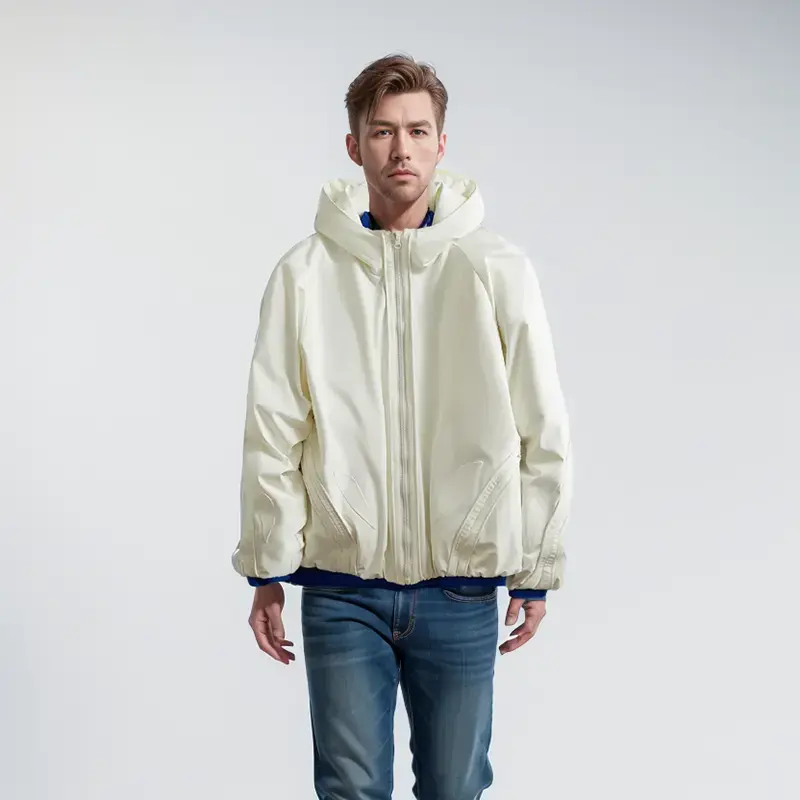
The sun protection effect of white sun protection clothing is relatively weak. Although white fabrics can reflect most visible light, making it feel cooler under short-term exposure, its ability to reflect ultraviolet rays is limited. Experiments show that the temperature of white T-shirts is relatively high under long-term exposure, indicating that its ability to block ultraviolet rays is weak. Therefore, white sun protection clothing is more suitable for use in environments with weak sunlight, or as a sun protection option for short-term outdoor activities.
(IV) Sun protection clothing of other colors
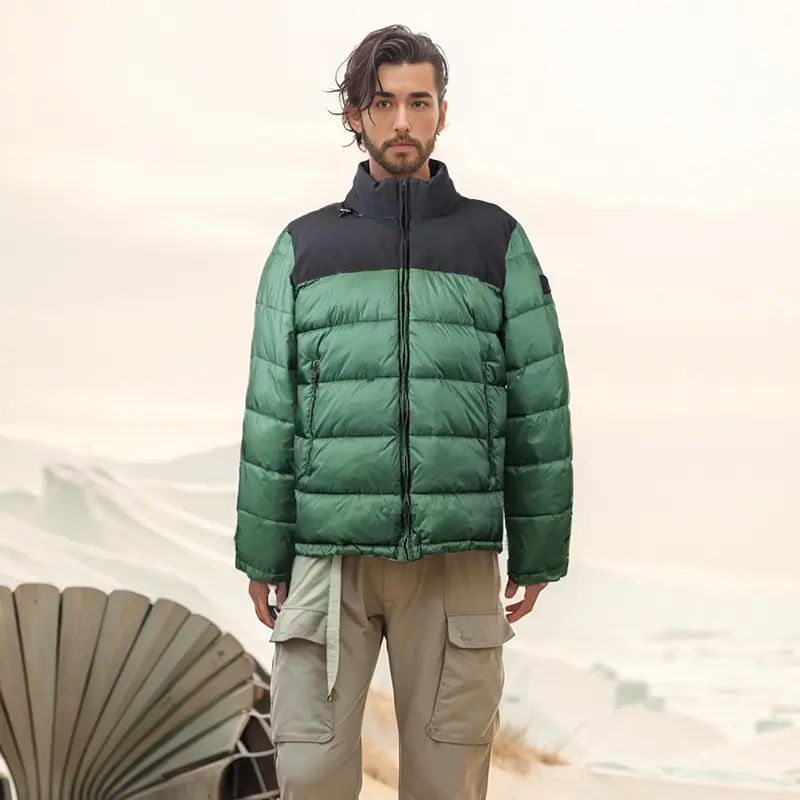
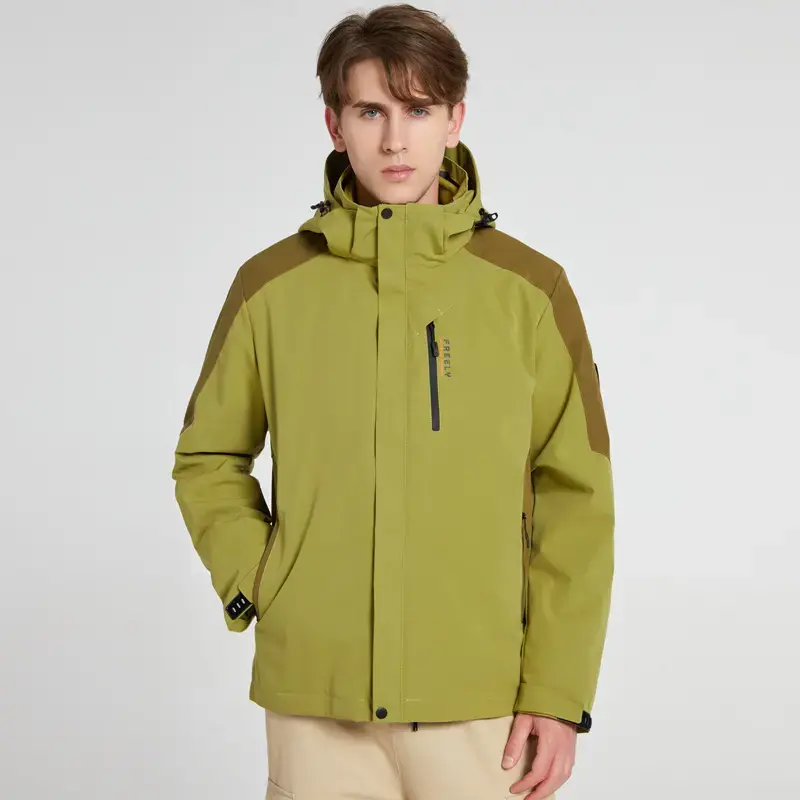
In addition to the common colors mentioned above, sun protection clothing of other colors also has different sun protection properties. For example, dark blue and gray sun protection clothing have better sun protection effects because the dye molecules of these colors can absorb ultraviolet rays. The sun protection effect of light-colored sun protection clothing such as light blue and light green is relatively weak. In addition, the anti-ultraviolet performance of cold-colored sun protection clothing (such as blue and green) is usually better than that of warm-colored (such as yellow and orange), because cold colors can absorb the wavelength area covered by ultraviolet rays.
3. Other factors affecting the sun protection effect of sun protection clothing
(I) Fabric material
The fabric material plays a decisive role in the sun protection effect of sun protection clothing. Common sun protection clothing fabrics include polyester fiber (polyester), polyamide fiber (nylon) and cellulose fiber (such as viscose and modal). Under the same conditions, polyester fiber has the best sun protection effect, followed by polyamide fiber, and cellulose fiber has a relatively weak sun protection effect. This is because the benzene ring in the molecular structure of polyester fiber can absorb ultraviolet rays, thereby enhancing its sun protection performance.
(II) Fabric density and thickness
The density and thickness of the fabric will also affect the sun protection effect of sun protection clothing. The higher the fabric density and the thicker the thickness, the stronger its ability to block ultraviolet rays. However, too thick fabrics may cause a stuffy feeling when worn, so it is necessary to find a balance between sun protection and comfort. For example, double-layer fabrics are generally better at protecting against the sun than single-layer fabrics.
(III) Sunscreen coatings and additives
Many professional sun protection clothing improves the sun protection effect by adding UV absorbers to the fabrics or adding sunscreen coatings to the surface. These additives can effectively absorb ultraviolet rays, thereby enhancing the UPF value of sun protection clothing. Therefore, when choosing sun protection clothing, in addition to paying attention to the color and fabric material, you should also check whether the product has been professionally treated with sunscreen.