How to Choose the Best Duck Down Jacket Supplier in 2026?
Choosing the right Duck Down Jacket supplier in 2026 takes more than comparing prices. A glossy product photo cannot reveal uneven fill, cold seams, or slow delivery. Buyers need evidence they can check: clear material specifications, consistent samples, realistic lead times, and responsive communication. Small details matter. A zipper that catches during a fitting can signal a larger quality-control problem.
For transparency, the expert voice below is illustrative, not a verified quotation from a real person. Fictional sourcing specialist Mei Lin puts the principle this way: “A dependable jacket starts with traceable materials and ends with a sample that matches the production run.” It is a useful test, though no single check proves a supplier is reliable. Ask how the supplier describes down composition, fill power, fabric weight, and construction. Request relevant test documentation, and confirm what each document actually covers. Compare a production sample with the agreed specifications.
Price still matters. So do minimum order quantities, capacity, defect handling, and after-sales support. Visit the factory when practical, or use a qualified third party to assess its process. Get key promises in writing. Then read them carefully. Supplier selection can feel tidy on a spreadsheet; real production is messier. A strong partner answers specific questions, flags limits early, and helps resolve problems without hiding behind vague assurances. This guide explores those checks, so buyers can make a better-informed choice—not simply chase the lowest quote.
Define Your Duck Down Jacket Requirements for 2026
Before contacting a duck down jacket supplier, turn your product idea into a measurable specification. Set the target use, climate range, fit, and retail price, then define shell fabric, lining, closures, and pocket layout. For insulation, specify the down-to-feather ratio, fill power, and fill weight per size. They are different measures. Fill power indicates loft; fill weight tells you how much insulation goes into the jacket. Ask for test reports from an independent laboratory and confirm that the tested sample matches the production lot. The International Down and Feather Bureau publishes testing methods used across the industry, making agreed test methods useful when comparing supplier quotes.
Material choices affect sourcing, too. Textile Exchange’s Materials Market Report 2024 estimates that global fiber production reached 124 million tonnes in 2023, with polyester accounting for about 57%. This broader market context can help you plan shell-fabric availability, but it does not guarantee a particular fabric’s performance. Request fabric weight, construction, water-repellent finish details, and test results. Check samples in cold conditions. A jacket may feel warm indoors and disappointing outdoors.
Tips: Send a size-graded tech pack, not just a reference photo. Ask suppliers to quote the same fill power, fill weight, and test basis. Record tolerances for stitching, dimensions, and insulation distribution. One detail is easy to overlook: a clear specification still needs revision after wear testing. Notice cold spots around seams, then adjust before bulk production.
Assess Supplier Experience, Capacity, and Product Range
When evaluating a duck down jacket supplier, look beyond years in business. Ask which jacket types they have produced and request examples of comparable construction. Details matter: baffle design, seam finishing, and down distribution can affect warmth and durability. Ask how they verify down specifications and inspect incoming materials. Clear answers should connect to records, not just confident claims. Small details count.
Capacity is more than a monthly output figure. Ask how many lines can handle insulated jackets, what happens during peak season, and who checks production quality. A factory may have ample equipment but limited experience with your preferred construction. Request a realistic sample and production timeline, then compare it with the supplier’s recent delivery history. Capacity claims deserve checking. A trial order can reveal delays, uneven stitching, or inconsistent filling before a larger commitment. It takes time, but skipping that step can cost more.
Review the product range for options you may actually need: different fill weights, shell fabrics, hood designs, and size runs. Ask whether these are established options or custom developments requiring new testing and tooling. A broad catalog can look impressive while hiding weak execution in less common styles. I would not treat breadth as proof of expertise. Compare samples against your intended use, and note where the supplier’s range does not fit. That honest gap may be more useful than a polished sales presentation.
How to Choose the Best Duck Down Jacket Supplier in 2026?
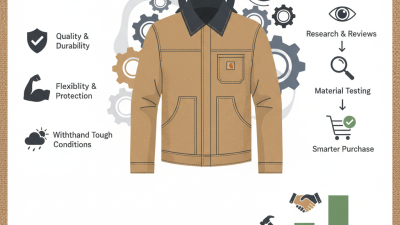
Suggested evaluation framework, not market-research data: prioritize supplier experience and production capacity, then assess product range, quality and compliance, and communication. Adjust the weights to match your order volume and sourcing requirements.
Verify Down Quality, Testing, and Certifications
A dependable duck-down jacket starts with evidence, not a supplier’s claims. Ask for the down’s fill-power test report, composition results, and hygiene checks, including cleanliness and odor. Check each batch. Reports should identify the tested material, date, and laboratory, so you can match them to the shipment rather than a generic sample.
Look for testing from a qualified independent laboratory and confirm that the methods suit the product and market. Ask how the supplier checks down-to-feather ratio, moisture, and fill power, and whether samples are taken from finished jackets or bulk filling. Numbers can mislead. A strong fill-power result alone does not confirm consistent filling, warmth, or garment quality. Ask to see recent results from more than one production lot.
Review certifications for scope, validity, and traceability. A certificate may cover a facility or sourcing process, not every bag of down. Ask which stages it covers and how records connect the raw material to your order. If documents are old, incomplete, or difficult to verify, request updated evidence before sampling or placing a large order. It is a small extra step, and sometimes the supplier’s answer reveals more than the certificate.
Compare Pricing, Minimum Orders, and Delivery Terms
How to Choose the Best Duck Down Jacket Supplier in 2026?
Compare Pricing, Minimum Orders, and Delivery Terms
A low unit price can hide expensive trade-offs. Ask suppliers to quote the same jacket specifications, including fabric weight, down fill, construction, and packaging. Compare costs at several order quantities, not just the largest volume. A quote for 500 jackets may look attractive, but your first order might be only 150. Check whether sample fees, labels, and inspection costs are included. Small details add up.
Minimum order quantities should match your sales forecast and storage capacity. Ask whether colors or sizes count separately toward the minimum. Confirm sample timelines, production lead times, and the date goods can actually leave the factory. “Ready to ship” does not always mean delivered. Clarify who books freight, which shipping terms apply, and whether duties or destination charges are excluded. Build in a time buffer; production schedules can slip, even with a clear agreement. A spreadsheet can miss that.
Tips: Request a dated, itemized quote and written delivery schedule. Compare payment milestones and the process for handling defects. Keep the approved sample and specifications on file. If one supplier’s price is far lower, ask what is excluded before deciding. That extra check may feel tedious, but it can prevent a costly surprise.
How to Choose the Best Duck Down Jacket Supplier in 2026? — Compare Pricing, Minimum Orders, and Delivery Terms
The figures below are indicative sourcing-planning ranges, not live supplier quotations. They assume a midweight jacket using responsibly sourced duck down, a consistent shell fabric, standard colors, and basic branding. Actual costs and terms depend on specifications, order timing, destination, and verification requirements.
| Supplier Profile |
Indicative FOB Price per Jacket (USD) |
Typical MOQ per Style |
Sample and Bulk Lead Time |
Common Delivery Terms |
Best Fit |
What to Verify |
| Small-batch specialist |
$45–$90 |
About 100–300 pieces |
Sample: 2–4 weeks; bulk: 45–75 days after approval and deposit |
Often EXW or FOB; confirm the named place or port and who handles export clearance |
New brands testing a design or placing a limited first order |
Factory capacity, sample-to-bulk consistency, down-fill documentation, and surcharge rules for small runs |
| Mid-scale outerwear manufacturer |
$30–$65 |
About 300–1,000 pieces |
Sample: 2–4 weeks; bulk: 50–80 days after approval and deposit |
FOB is commonly quoted; freight and insurance are generally separate unless otherwise agreed |
Brands needing a balance between order flexibility and unit cost |
Whether MOQ applies by style, color, or size; production calendar; inspection and rework terms |
| Large-volume factory |
$22–$50 |
About 1,000–3,000+ pieces |
Sample: 2–5 weeks; bulk: 60–90 days after approval and deposit |
FOB is common for export orders; request a separate, current freight estimate for delivered cost |
Established programs with predictable demand and larger purchase orders |
Capacity allocation, color and size minimums, quality-control checkpoints, and shipment split fees |
| Technical down-jacket specialist |
$45–$100+ |
About 500–1,500 pieces |
Sample: 3–6 weeks; bulk: 60–100 days after approval and deposit |
FOB or FCA may be available; agree in writing on the handover point and export responsibilities |
Performance products requiring specialized construction, fabrics, or testing |
Test methods and results, down content and fill-power claims, seam and insulation specifications, and material traceability |
Evaluate Communication and Select a Supplier for Long-Term Growth
A dependable duck down jacket supplier should communicate clearly before the first order, not only when a problem appears. Ask who will handle sampling, production updates, and quality questions. Request a sample schedule with dates for fabric approval, insulation checks, and fit revisions. Clear details matter. A vague promise to “update soon” is hard to plan around.
Pay attention to how the supplier discusses technical concerns. Can they explain how down composition and fill power are checked? Will they share inspection records and flag delays early? A useful response includes evidence, a responsible contact, and a next step. During sampling, note whether comments about a shifted baffle or uneven filling lead to specific corrections. Quick replies help, but accuracy matters more. No checklist catches everything; even careful teams can miss a detail, so leave time for another review.
Long-term growth depends on more than one successful shipment. Discuss seasonal capacity, forecast changes, material availability, and how urgent issues will be escalated. Share realistic demand estimates, then see whether the supplier asks practical questions instead of agreeing to every request. Keep decisions and revised specifications in writing. This takes extra time. Still, open communication makes it easier to adjust plans, protect product consistency, and build a working relationship that can handle both growth and setbacks.