Winter changes ordinary clothing decisions. Cold wind reaches the hips, wet pavements reflect freezing rain, and short jackets often leave a stubborn gap. A Women's Long Puffer Jacket addresses that problem with extended coverage, insulated construction, and practical daily comfort. Its longer silhouette can protect the lower back and upper legs during commutes, school runs, or slow evening walks. Still, warmth is not guaranteed by length alone. Fill quality, baffle design, fabric resistance, and fit matter just as much.
Outdoor authority Alfred Wainwright famously wrote, “There’s no such thing as bad weather, only unsuitable clothing.” His words explain the real purpose of a Women's Long Puffer Jacket. It should match the conditions, not merely follow a winter trend. Down usually offers impressive warmth with less weight, while synthetic insulation performs more reliably in damp weather. A hood, two-way zipper, storm flap, and secure cuffs can make a noticeable difference beside a windy bus stop.
I once assumed the thickest coat would always feel best. That was wrong. Excess insulation can restrict movement and create uncomfortable indoor heat. The better choice balances warmth, mobility, and personal layering habits. Some shoppers may also dislike the bulky shape. That concern deserves attention, not dismissal. This guide examines practical warmth, weather protection, responsible material choices, sizing, and everyday styling. It also considers a less glamorous truth: a beautiful coat becomes disappointing when its zipper catches or its sleeves expose the wrists.
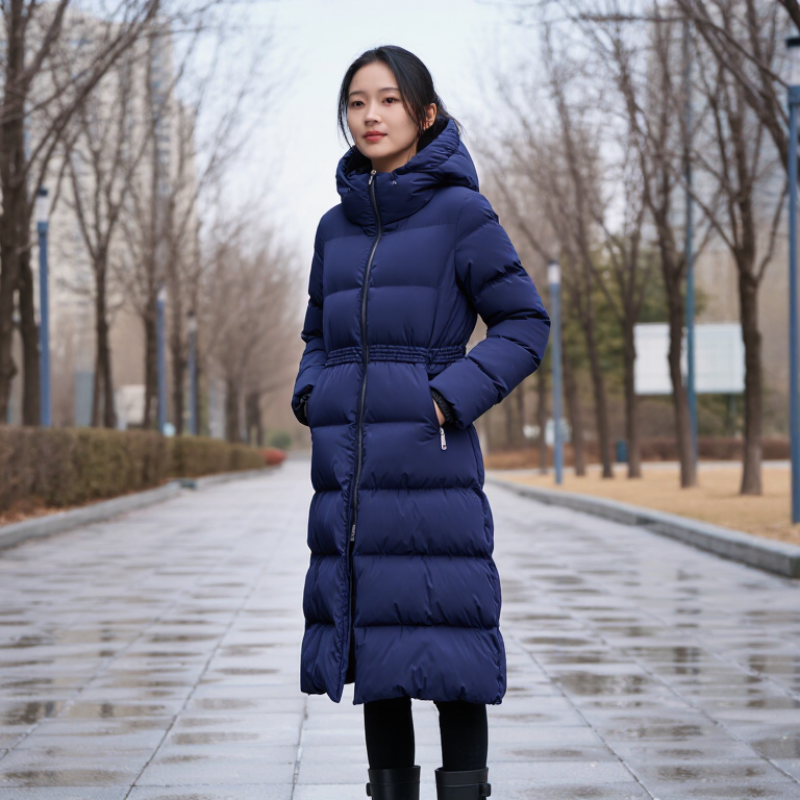
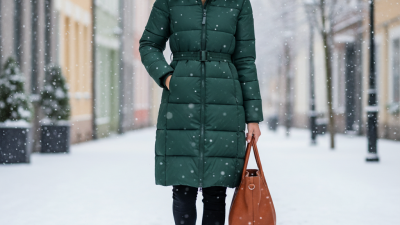
A women’s long puffer jacket is an insulated winter coat that usually extends from the mid-thigh to the knee. It uses stitched sections, called baffles, to hold down or synthetic insulation in place. This construction reduces cold spots and traps warm air around the body. A high collar, adjustable hood, elastic cuffs, and a two-way zipper can improve protection during freezing weather. The longer cut also covers more of the hips and legs than a short puffer jacket.
In everyday use, this design feels useful during long walks, school commutes, or windy bus stops. I notice the difference when cold air reaches my knees less often. However, warmth depends on more than length. Insulation quality, fill amount, fabric density, and fit all matter. A very loose jacket may let heat escape, while a tight one can compress the insulation. Down can provide excellent warmth, but it may lose performance when soaked. Synthetic filling often handles damp conditions better, though it can feel bulkier. I still find sizing difficult sometimes.
Tips: Check the shoulder fit while wearing a sweater. Bend your arms before buying. Make sure the zipper moves smoothly from both ends. Look for a wind-resistant outer fabric and secure pockets. If you walk in frequent rain, consider synthetic insulation or a reliable water-resistant finish. Read the care label carefully, because incorrect washing can flatten the filling and reduce warmth.
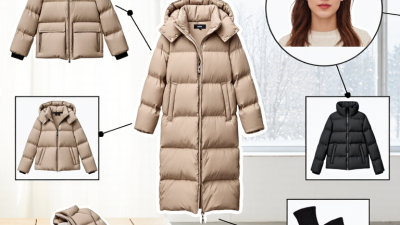
A women’s long puffer jacket protects more than the torso. Its extended cut covers the hips, seat, and upper thighs, where cold wind often slips beneath shorter coats. In my experience, that extra coverage matters while waiting for a bus or crossing an exposed parking lot. The insulation traps warm air around the body and reduces heat loss across larger covered areas. Small detail. A fully closed zipper matters.
Down or synthetic fill can provide warmth, but performance depends on construction. Baffled chambers hold insulation in place and reduce cold spots. A high collar shields the neck, while a fitted hood protects the head without blocking vision. Elastic cuffs slow drafts at the wrists. Some jackets feel warm indoors yet struggle in wet snow. Synthetic insulation usually keeps more loft when damp, although it may feel heavier. No fill is perfect.
The outer fabric should resist wind and light moisture, but it should not replace a rain shell. Check the hem after sitting; it should cover the lower back without limiting movement. I prefer two-way zippers for cycling or climbing stairs. They improve comfort, though they can add bulk. Leave room for a sweater, but avoid excessive space. A loose fit can let warm air escape. Test the pockets with gloves on. Weak zippers become obvious then. A coat can be warm and still inconvenient.
A women’s long puffer jacket protects more than the torso. Its extended length covers the hips and upper thighs, where wind can quickly drain warmth. The U.S. National Weather Service warns that exposed skin may develop frostbite in about 30 minutes at a -18°F wind chill. A longer coat cannot prevent every risk, but it reduces exposed areas during daily travel.
Look for lightweight insulation, a high collar, and an adjustable hood that moves with your head. Elastic cuffs help block cold air around the wrists. A two-way zipper improves comfort when sitting, climbing stairs, or driving. The shell should resist light rain and snow, while breathable fabric helps release moisture after a brisk walk. ASTM F2732 provides a recognized method for evaluating clothing’s thermal insulation, but ratings still depend on layering, wind, activity, and fit.
A coat that feels warm in a store may restrict movement over a sweater. It should allow easy arm movement without leaving large gaps at the neck or hem. Deep pockets are useful for gloves, keys, and a phone, though overloaded pockets can pull the coat downward. I once underestimated zipper quality; a small snag became irritating in freezing weather. Check the seams and hardware carefully. Small details matter.
A women’s long puffer jacket can protect more than your torso. Its extended length covers the hips and upper thighs, where cold wind often finds gaps. The right fit should allow a thin sweater underneath without pulling across the shoulders. Check the arm movement. If the cuffs ride upward, the jacket is probably too tight. If air enters around the neck, warmth escapes quickly.
Insulation needs careful comparison. The International Down and Feather Bureau explains that fill power measures loft, not total warmth. A higher number can feel lighter, but it does not guarantee better protection without enough fill. Synthetic insulation may perform more consistently in damp weather. Textile Exchange’s 2024 Materials Market Report states that polyester represented about 57% of global fiber production in 2023, showing how common synthetic materials have become. Still, recycled content alone does not prove superior warmth. That assumption needs questioning.
Length should match your routine. A mid-thigh hem suits long walks, waiting for transit, and windy streets. For driving, a knee-length design may bunch uncomfortably. Look for a two-way zipper, adjustable waist, and sealed cuffs. ISO 11092 testing measures thermal resistance in fabrics, but laboratory results cannot fully predict real movement outdoors. Try the jacket with your usual layers. Bend your elbows. Sit down. My own fitting mistake was choosing a heavier coat that restricted movement, despite feeling warmer at first. Comfort matters more than impressive specifications.
A women’s long puffer jacket works best when styling balances warmth and shape. I prefer a fitted knit, straight-leg trousers, and waterproof boots underneath. The long silhouette already creates volume, so narrow trousers prevent a bulky appearance. For a softer look, add a wool scarf and a small crossbody bag over the coat. Keep the scarf ends short. They can catch on zippers.
Material choice also deserves attention. Textile Exchange’s 2024 Materials Market Report states that polyester made up about 59% of global fiber production in 2023. This makes recycled polyester worth considering, although recycled content does not automatically mean low impact. Check the fill composition, insulation weight, and care label. I once wore a long puffer over three thick layers. It looked practical, but movement felt restricted. That choice was not clever. Try the jacket while sitting and walking before buying.
Tips: Shake the jacket gently after wearing it to redistribute the filling. Spot-clean makeup or street dust with mild detergent and a damp cloth. Avoid frequent washing. When washing is necessary, follow the care label and use a low-temperature cycle. Tumble-dry only when permitted, adding clean dryer balls to reduce clumping. Dry it completely before storage. Damp filling can develop odors and lose loft. Store the coat loosely on a broad hanger, not compressed in a bag. The Outdoor Industry Association’s participation reports continue to show strong interest in outdoor recreation, but regular use still demands realistic maintenance habits.
| Category | Typical Information | Winter Benefit | Styling Recommendation | Maintenance Guidance |
|---|---|---|---|---|
| Long Coat Coverage | Most long puffer jackets reach from mid-thigh to below the knee, commonly measuring about 90–120 cm from shoulder to hem. | Provides more coverage for the hips and upper legs than a waist-length jacket, helping reduce exposure to cold wind. | Pair with slim or straight-leg trousers to balance the volume of the coat. An adjustable waist or belt can define the silhouette. | Hang the coat on a broad, sturdy hanger so the shoulders keep their shape and the insulation is not compressed unnecessarily. |
| Insulation Type | Down jackets are often described by fill power, commonly around 600–800 for quality winter use. Synthetic jackets are frequently listed by insulation weight, such as 100–200 g/m², although specifications vary. | Down offers a high warmth-to-weight ratio, while synthetic insulation generally retains more insulating ability in damp conditions. | Choose a streamlined down style for a polished outfit or a slightly fuller synthetic style for a casual outdoor look. | Follow the care label because down and synthetic fills require different washing and drying methods. |
| Outer Fabric | Common shell fabrics include tightly woven nylon or polyester. Water-resistant finishes may help shed light rain or snow but do not always make the garment waterproof. | A wind-resistant shell helps block air movement, while a water-resistant surface helps protect the insulation from light moisture. | Matte fabric creates a minimalist appearance; lightly glossy fabric gives a more sporty and contemporary effect. | Use a mild detergent and avoid bleach, fabric softener, and harsh solvents that may damage the shell or finish. |
| Hood and Collar | A fitted hood, high collar, drawcord, and storm flap can reduce heat loss around the head and neck. | These features improve protection during windy, snowy, or rainy winter conditions. | Wear a fine-knit beanie and a compact scarf to add warmth without creating excessive bulk around the collar. | Keep drawcords and detachable trims secured during washing to prevent tangling or damage. |
| Closures and Cuffs | Two-way zippers, snap buttons, elastic cuffs, and inner wrist gaiters are common functional details. | A two-way zipper improves mobility when sitting, while fitted cuffs help prevent cold air from entering through the sleeves. | Open the lower zipper slightly over wide-leg trousers or boots to create movement and avoid a bulky appearance. | Close zippers and fasteners before washing, and inspect them periodically for trapped threads or fabric. |
| Everyday Styling | A long puffer can be worn with knitwear, denim, leggings, tailored trousers, skirts, or winter dresses. | Its full-length coverage makes it practical for commuting, walking, travel, and everyday cold-weather use. | Combine a neutral jacket with one accent color in the scarf, bag, or footwear. Keep the inner layers relatively fitted. | Remove surface dirt promptly with a damp cloth to reduce the need for frequent full washing. |
| Footwear Pairings | Water-resistant ankle boots, knee-high boots, insulated sneakers, and winter hiking boots are practical choices. | Appropriate footwear improves traction, warmth, and protection from wet or icy ground. | Match knee-high boots with a dress or skirt, or choose chunky boots with straight-leg trousers for a balanced casual outfit. | Clean and dry footwear separately so salt, mud, or moisture does not transfer onto the coat. |
| Storage Between Seasons | Long puffer jackets should be stored clean, completely dry, and loosely packed in a breathable garment bag. | Proper storage helps preserve loft, reduce odor, and limit mildew caused by trapped moisture. | Keep the jacket away from direct sunlight and crowded closets to avoid fading and prolonged compression. | Do not store it tightly compressed in a small vacuum bag for long periods, especially when it contains down. |
| Washing Frequency | Wash only when visibly soiled, stained, or affected by persistent odor. Spot cleaning is suitable for minor marks. | Less frequent washing helps protect the water-resistant finish, insulation, and fabric structure. | Use removable scarves or neck warmers to reduce contact between the coat collar and skin products. | Always check the sewn-in care label before washing because temperature and cycle requirements differ by garment. |
| Drying Method | Many puffer jackets require low-temperature tumble drying or careful air drying, depending on the care label. | Thorough drying restores loft and prevents damp insulation from developing an unpleasant odor. | After drying, gently shake the jacket to distribute the insulation evenly and restore its shape. | Never store the jacket while it is damp. Down garments may require repeated low-heat cycles with periodic gentle redistribution. |
| Fit and Layering | The jacket should allow comfortable movement and leave enough room for a sweater without pulling across the shoulders or chest. | A suitable fit preserves a layer of warm air while preventing excessive compression of the insulation. | Use thin thermal layers, fine-gauge knitwear, or a lightweight fleece instead of several bulky sweaters. | Check seams, lining, and quilting after heavy use. Repair small tears early to prevent insulation loss. |
| Weather Protection | Water-resistant construction can handle light precipitation, while fully waterproof protection requires sealed seams and a waterproof membrane. | Understanding the difference helps match the coat to commuting conditions, snowfall, or prolonged wet weather. | For heavy rain, layer the puffer beneath a compatible waterproof shell if the design allows it. | Reapply a suitable water-repellent treatment only when needed and only if the care instructions permit it. |
| Note: Measurements, insulation weights, temperature performance, and care requirements vary by garment construction. Always use the product's own specification label and care instructions as the final reference. | ||||