How to Choose the Best Puffer Jacket for Winter Warmth?
When winter arrives, choosing the right Puffer Jacket becomes essential for warmth and comfort. Renowned outerwear expert, Jane Thompson, emphasizes, "A good Puffer Jacket should be both functional and stylish." With countless options available, finding the perfect fit can feel overwhelming. It's important to consider factors like insulation, material, and style.
Many jackets promise to keep you warm, but not all deliver. High-quality insulation is key for retaining heat. However, some cheaper options may compromise warmth for a lower price. It is crucial to reflect on what works best for your individual needs. Color and design also play a role; a sleek jacket can elevate your winter wardrobe.
Don't overlook the jacket's weight. Some Puffer Jackets can feel bulky, which may not be ideal for all. It’s vital to balance warmth with mobility. Think about your lifestyle and how you will use the jacket. The right choice not only protects from the cold but enhances your confidence in winter weather.
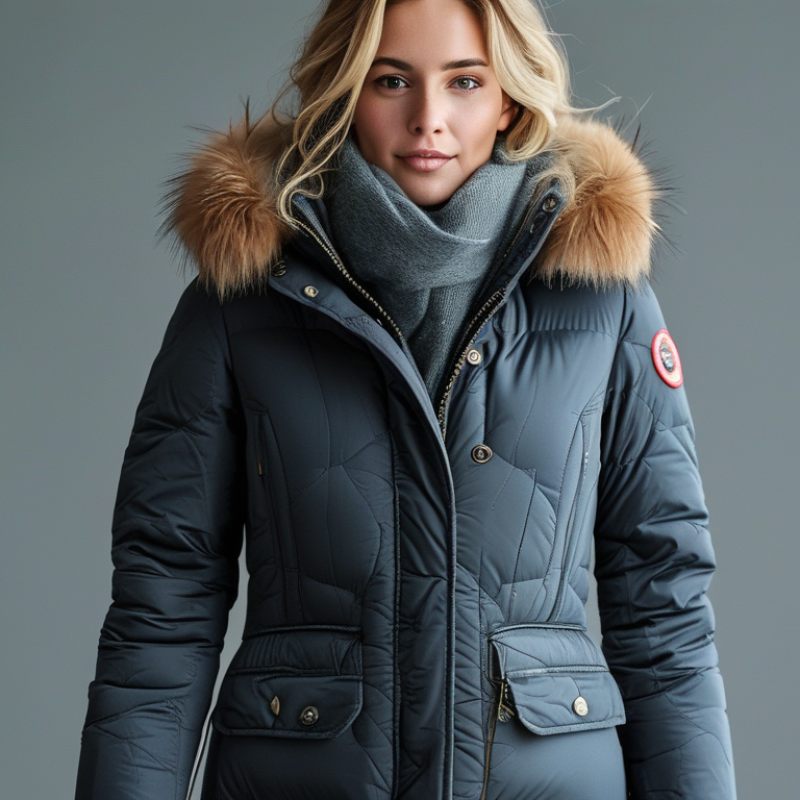
How Insulation Types Affect Warmth in Puffer Jackets
When selecting a puffer jacket, understanding insulation types is crucial. There are primarily two types: down and synthetic. Down insulation offers superior warmth-to-weight ratios, often favored by outdoor enthusiasts. A recent study indicated that high-quality down can achieve a warmth factor of around 700 fill power or higher. This means it compresses well and retains heat effectively. However, down loses its insulating properties when wet, making it less reliable in damp conditions.
On the other hand, synthetic insulation has made significant strides. Materials such as PrimaLoft or ThermoBall mimic down's loft but maintain warmth even when wet. According to industry reports, synthetic options have improved their warmth retention by nearly 30% in recent years. This development offers peace of mind for those facing unpredictable winter weather. Each insulation type presents unique pros and cons.
Considering the environment you will be in is key. If you expect wet conditions, a synthetic jacket might be ideal. But, if weight reduction is paramount and you will stay dry, down could be your best bet. Reflecting on these points will help ensure you choose the right jacket for your needs.
Key Materials Used in Puffer Jacket Construction
When selecting a puffer jacket for winter warmth, the materials used in its construction are crucial. A key component is insulation.
Down insulation, known for its excellent warmth-to-weight ratio, traps heat effectively. Reports indicate that down jackets can retain heat even in temperatures as low as -30°C.
However, not everyone can afford down. Synthetic materials, like polyester, offer a more budget-friendly option. They perform well in wet conditions, retaining warmth even when damp.
The outer shell fabric also greatly impacts warmth. Ripstop nylon is a popular choice.
It is lightweight yet durable. Studies show that jackets with a high fill power, above 600, provide superior insulation. Some fabrics feature water-repellent treatments.
These help keep moisture at bay. Consider breathability as well. Jackets with a breathable shell can regulate body temperature during high activity.
It's essential to examine jacket features closely. Look for fully sealed seams and adjustable hoods to enhance warmth. Remember, comfort varies among individuals.
A well-fitted jacket may retain more heat but might feel constrictive to some. Try different styles before purchasing.
Recognizing personal needs is vital in this decision-making process. Don't overlook how each material affects overall comfort and warmth in
harsh winter conditions.
Understanding the Importance of Fill Power Ratings
When selecting a puffer jacket, understanding fill power ratings is crucial. Fill power measures the loft, or fluffiness, of the insulation. Higher fill power ratings indicate better insulation and warmth. A jacket with a fill power of 600 to 800 offers significant warmth without excessive weight. However, it’s essential to balance warmth with weight and comfort. Some jackets might feel heavy despite high fill ratings.
Many people overlook the importance of material quality. A high fill power jacket made from low-quality fabric might not retain heat effectively. The outer shell should be winterproof and water-resistant to provide adequate protection. Pay attention to the stitching and finishing. Poorly made jackets can lead to insulation escaping, reducing their effectiveness.
Not everyone needs the highest fill power option. For city dwellers who face mild winters, a mid-range rating may suffice. In contrast, outdoor enthusiasts in extreme conditions should opt for high fill power jackets. Consider your typical winter activities. Reflect on how often you'll wear the jacket and in what conditions. This reflection will help you choose wisely.
Evaluating Weather Resistance Features in Puffer Jackets
When evaluating weather resistance features in puffer jackets, several aspects deserve attention. Insulation types significantly influence warmth. Down insulation offers high warmth-to-weight ratios but may lose effectiveness when wet. Synthetic insulation, like Primaloft, resists moisture better, making it ideal for unpredictable winter weather. According to a recent study by the Outdoor Industry Association, nearly 70% of winter sports enthusiasts prioritize water resistance when selecting jackets.
Seam sealing and fabric treatments play crucial roles in weather resistance. Fully sealed seams prevent water from seeping through, keeping you drier on blustery days. Breathability is also essential; jackets with high moisture-wicking capabilities help regulate body temperature, especially during active use. A survey from the Global Apparel Manufacturing Association indicates that 80% of outdoor enthusiasts seek jackets that balance warmth and breathability.
Relying solely on the manufacturer's claims can lead to disappointment. Testing for personal comfort remains vital. Different climates affect how materials perform. For instance, a jacket that works well in a humid environment may fail in dry cold. Pay attention to practical details, such as the fit around the cuffs and the length of the jacket. A well-fitted puffer allows for layering while maximizing warmth.
How to Choose the Best Puffer Jacket for Winter Warmth? - Evaluating Weather Resistance Features in Puffer Jackets
| Feature |
Description |
Rating (1-5) |
| Insulation Type |
Down, synthetic, or hybrid |
4 |
| Water Resistance |
DWR (Durable Water Repellent) coating |
5 |
| Wind Resistance |
Windproof fabric technology |
4 |
| Breathability |
Ventilation features for comfort |
3 |
| Packability |
Ability to pack into its own pocket |
5 |
| Length |
Hip-length or longer for additional coverage |
4 |
| Hood |
Detachability and adjustability options |
4 |
Choosing the Right Fit for Optimal Warmth and Comfort
When choosing a puffer jacket, fit is crucial for warmth and comfort. A well-fitted jacket traps body heat effectively. It shouldn’t be too tight; otherwise, it restricts movement. Conversely, an overly loose jacket will allow cold air to seep in.
Consider the length of the jacket. Longer styles offer additional coverage and warmth. Make sure it does not inhibit your mobility. Check the arm length and shoulder area. They should allow for comfortable movement without feeling bulky.
**Tips:** Try on different sizes. Don’t just stick with your usual size. Layering is important too. Wear a thick sweater under the jacket during your fitting. This helps ensure a good fit in colder conditions.
Choosing the right insulation type also impacts fit. Down feathers are compact and warm. Synthetic options can offer a similar feel but may vary in bulk and weight. Both have their pros and cons. Reflect on what you’ll be doing while wearing the jacket. If you’ll be active, a more fitted style may serve better. If you need it for casual outings, comfort might take precedence over a snug fit.
How to Choose the Best Puffer Jacket for Winter Warmth?