Top Trends in Puffer Jacket Styles for 2026 What to Expect
As we look ahead to 2026, the fashion landscape is poised for exciting changes, particularly in puffer jacket styles. These jackets have long been favored for their warmth and comfort. However, the evolving trends reflect a growing desire for individuality and sustainability. Designers are now focusing on innovative materials and unique silhouettes. This shift indicates a promising future for the puffer jacket.
In the upcoming years, we can expect to see bolder colors and distinctive patterns dominating the market. Puffer jackets will likely embrace a more tailored fit, moving away from traditional oversized styles. There may be an increase in eco-friendly options, as consumers become more mindful of environmental impact. Embracing both style and functionality is crucial for modern wearers.
While these trends are exciting, one must also consider what truly defines a standout puffer jacket. Does style outweigh comfort? Balancing these aspects can be tricky. As we explore more about puffer jackets, it’s essential to reflect on personal preferences and priorities in fashion. The future promises a blend of practicality and flair that is worth watching.
Emerging Color Palettes for Puffer Jackets in 2026
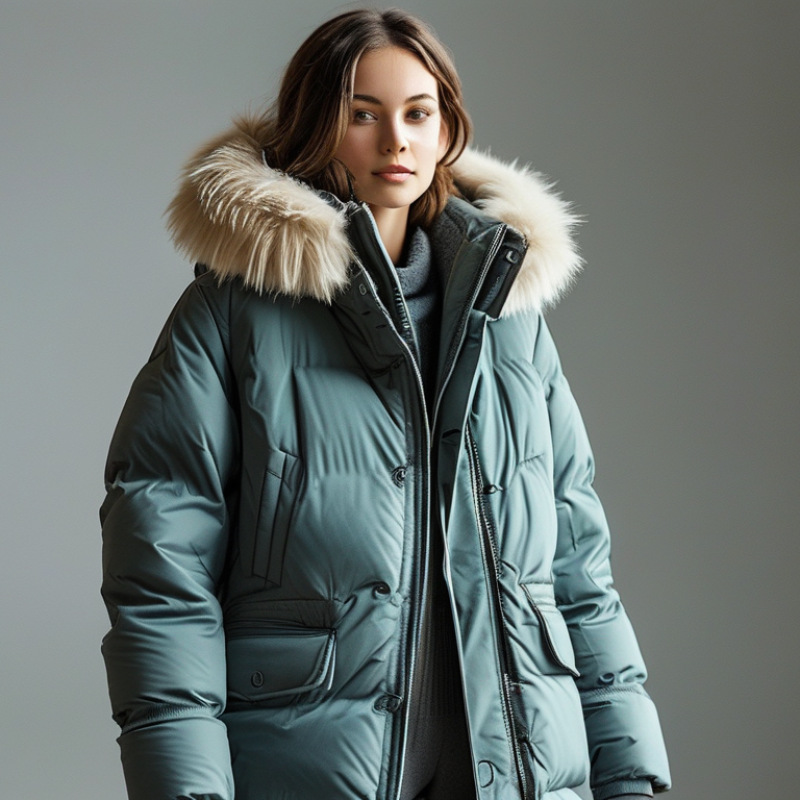
As we look forward to 2026, puffer jackets are set to embrace a fresh array of color palettes. Bold hues will dominate the scene. Expect eye-catching shades like vibrant oranges, deep blues, and unique greens. These colors are not just statements; they express individuality and creativity.
Pastel shades are also making a comeback. Soft pinks and muted yellows will add a light, airy feel. These colors work beautifully for layering in transitional seasons. They provide versatile options for different styles and personal tastes. Mixing these pastels with classic neutrals can create stunning contrasts.
Additionally, reflective materials will gain popularity. Iridescent colors will provide a modern twist to traditional designs. But there’s an interesting challenge. Everyone loves new trends, yet not every color suits all skin tones. The quest for the perfect hue can lead to uncertainty. Choosing the right shade involves trial and error, highlighting the individual’s journey in fashion. Remember, it’s about finding what resonates personally.
Innovative Fabrics and Insulation Technologies for Enhanced Warmth
The puffer jacket trend in 2026 is set to revolutionize outerwear with innovative fabrics and insulation technologies. Reports indicate that the global puffer jacket market is expected to grow significantly, reaching USD 5.2 billion by 2025. Consumers are increasingly seeking garments that provide warmth while being lightweight and breathable.
Advanced materials like bio-based insulation are gaining traction. These fabrics not only offer warmth but also reduce environmental impact. According to industry research, 70% of consumers prefer sustainable options when choosing outerwear. This shift in consumer preference is pushing brands to innovate continually.
However, manufacturers face challenges. Integrating new technologies can increase costs and complicate production. Balancing sustainability with performance is critical. Many brands still rely on traditional insulation methods that often lack durability. As the market evolves, companies must prioritize both innovation and reliability to stay relevant.
Sustainable Practices in Puffer Jacket Manufacturing
The future of puffer jackets is not just about style; it’s about
sustainability. As the fashion industry evolves, so do manufacturing practices.
Sustainable materials are becoming more popular in puffer jacket production. Brands are seeking alternatives to
traditional down, which often raises ethical concerns. Recycled polyester is an excellent alternative.
It reduces waste and requires less energy to produce.
Innovation in textiles also plays a key role. Biodegradable materials are emerging, designed to break down
naturally over time. These options reduce landfill waste, which is a growing problem. However, not all manufacturers prioritize
sustainability, leading to mixed messages for consumers. Transparency in sourcing and
production is crucial.
Consumers are becoming more conscious. They seek information about the materials and processes behind their clothing. This shift
creates pressure on brands to commit to ethical practices. Still, some brands only perform lip service and fail
to make actual changes. The journey toward sustainable puffer jackets is ongoing, with many challenges ahead. However, it is
essential for the future of the fashion industry.
Key Design Features and Functional Elements to Watch
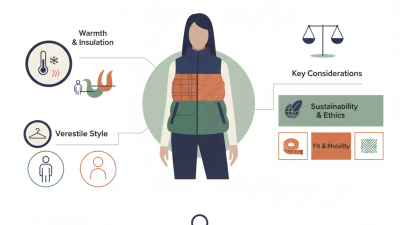
The puffer jacket landscape for 2026 promises significant changes in design and functionality. Expect to see a shift towards sustainable materials. Eco-friendly fabrics are becoming essential. Thrifted and recycled textiles will dominate collections. These materials reduce environmental impact and offer warmth.
Functionality will remain a core feature. Jackets are expected to include multi-functional elements. Look for built-in pockets and detachable hoods. These features enhance versatility, catering to various lifestyles. When layering, a puffer jacket should remain lightweight yet warm. However, some options may sacrifice comfort for style, prompting users to reassess their priorities.
Colors and patterns will also evolve. Bold, vivid hues will take center stage. Expect vibrant prints and contrasting textures to emerge. Yet, achieving a balance between predictability and innovation is crucial. It’s important to ask whether these styles truly meet functional needs or are just for show. Thoughtful design will be essential for meaningful wear—jetting towards the future style wise.
Fashion Influences Shaping Puffer Jacket Trends in 2026
Puffer jackets are set to evolve in unexpected ways in 2026. The current trend towards sustainability plays a significant role in shaping these styles. Designers are increasingly focused on eco-friendly materials. With consumers seeking quality over quantity, the emphasis is on durable fabrics. This shift encourages responsible fashion choices, which resonate with many.
Cultural influences also shape puffer jacket designs. Popular styles often draw inspiration from streetwear and high fashion. A mix of colors and patterns can be seen, offering personalization. However, some designs might prioritize trends over functionality, leading to a lack of practicality. This could leave wearers disappointed.
Functionality is key, yet many jackets now sacrifice comfort for style. Some features, like oversized hoods or exaggerated proportions, may not suit everyone's taste. The juxtaposition of comfort and fashion raises questions. It's crucial for consumers to reflect on their choices, seeking designs that represent both style and personal needs.
Top Trends in Puffer Jacket Styles for 2026
| Trend |
Description |
Color Palette |
Material Innovations |
| Oversized Fits |
Baggy silhouettes that provide comfort and warmth, creating a statement look. |
Earth tones, Pastels, and Neon accents |
Recycled fibers, Bio-based materials |
| Utility Styles |
Functional designs with multiple pockets and adjustable features. |
Military greens, Greys, and Black |
Water-resistant technology, Breathable fabrics |
| Modern Minimalism |
Sleek and simple designs focused on functionality and form. |
Monochrome, Soft neutrals |
Lightweight insulation, Smooth finishes |
| Bold Patterns |
Graphic prints and color-blocking that make a fashion statement. |
Floral, Geometric, and Abstract designs |
Lightweight reflective fabrics |
| Sustainable Fashion |
Focus on eco-friendly materials and ethical production methods. |
Natural colors, Organic tones |
Recycled down, Eco-friendly coatings |