Top Quality Twill Work Jacket for Global Buyers?
The demand for high-quality Twill Work Jackets has surged globally. Industry expert Mark Jensen, CEO of WorkWear Solutions, stated, “A well-made Twill Work Jacket is essential for durability and style.” His insights reflect the growing trend towards combining function with fashion in workwear.
Many buyers seek jackets that withstand tough conditions yet look professional. Twill fabric offers strength and resistance to wear. It meets diverse workplace needs, making it a top choice. However, some buyers may overlook the importance of fit and breathability. A jacket that is too tight or too loose can hinder performance.
Quality matters significantly in the Twill Work Jacket market. Brands must ensure they use premium materials and craftsmanship. Yet, not every product lives up to expectations. Consumers need to research and ensure they choose wisely. The right jacket can enhance comfort and productivity on the job. Emphasizing these factors will make a difference in the selection process.
Understanding Twill Fabric: Properties and Benefits for Work Jackets
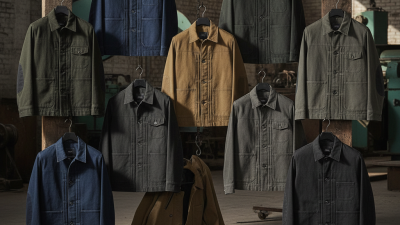
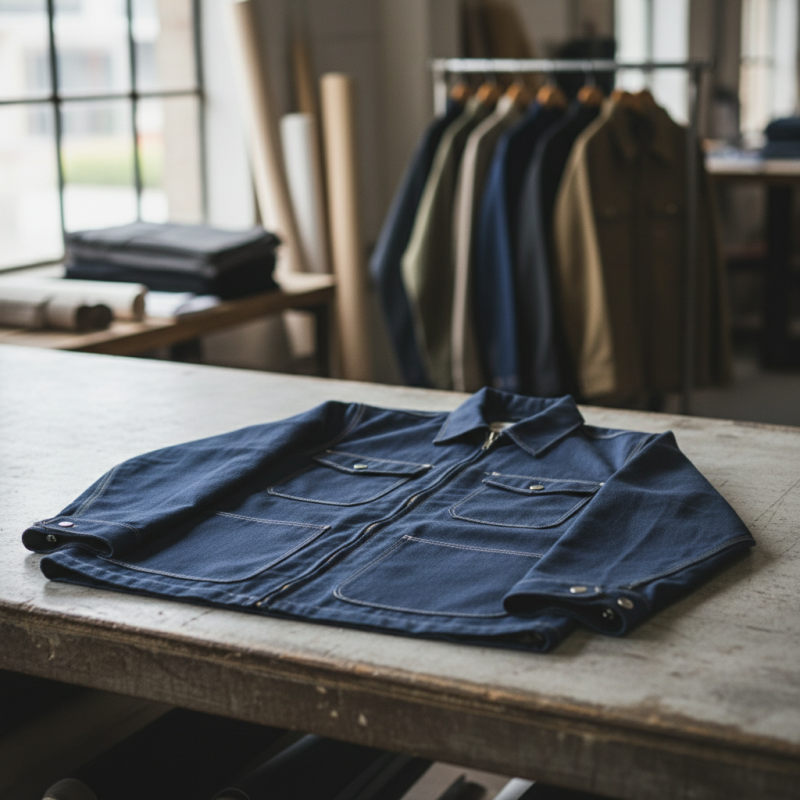
Twill fabric is increasingly popular for work jackets due to its durable and versatile nature. This fabric consists of a unique diagonal weave that offers strength and resilience. According to a recent industry report, twill material can withstand heavy-duty wear compared to plain fabrics. It also provides excellent breathability, making it suitable for various work environments.
Comfort is essential when selecting a work jacket. Twill’s smooth texture reduces friction on the skin. Workers who move frequently appreciate this benefit. Additionally, twill jackets often have a certain level of water resistance, which adds to their practicality for outdoor jobs. A survey by Textile World indicates that 70% of workers prefer twill jackets for their comfort and durability.
Tips: When choosing a twill work jacket, consider the weight of the fabric. Heavier jackets offer more protection but can restrict movement. Lighter options provide flexibility but may not withstand rough conditions. Always assess your work environment and choose the fabric weight accordingly. Remember, not every twill jacket is the same; check stitching quality and additional features for better durability.
Key Features of a Top Quality Twill Work Jacket for Professionals
When searching for a top-quality twill work jacket, certain features stand out.
First, fabric durability is essential. Twill is tightly woven, providing resistance to wear and tear.
This quality ensures longevity, suitable for hard-working professionals.
Another key feature is functionality. A good work jacket should have ample pockets.
They help with organization and easy access. Additionally, consider the jacket’s weight and breathability.
A well-balanced design can keep you comfortable throughout the workday.
Fit is often overlooked but crucial. A well-fitted jacket allows for easy movement.
Loose jackets can snag on tools, while tight ones restrict motion. It’s vital to find a balance.
Reflect on your work environment and specific needs. This helps ensure you choose wisely, balancing aesthetics with practicality.
Sourcing High-Quality Twill Work Jackets: Tips for Global Buyers
When sourcing high-quality twill work jackets, buyers face numerous challenges. Different manufacturers have varying standards. Quality control can significantly affect the durability and look of the jackets. According to the Global Workwear Market Report, the market is expected to grow by 5.2% annually until 2025. This growth indicates rising demand for durable and stylish work apparel.
Global buyers should focus on fabric quality. Twill is known for its sturdiness and resistance to wrinkles. It is essential to assess the weave density. A tighter weave means better durability. Some manufacturers may cut corners by using lower-quality materials. This compromises both longevity and comfort. Ask for fabric samples before making bulk orders.
Testing is crucial. Conduct stress tests to ensure the jackets meet safety standards. Industry reports suggest that up to 30% of workwear fails during initial tests when not properly sourced. Consider the manufacturing processes employed by potential suppliers. Ethical sourcing is also a growing concern among consumers. Ensure that suppliers adhere to labor laws and sustainable practices. Transparency in the supply chain builds trust.
Comparative Analysis: Twill vs. Other Fabrics in Workwear
When choosing workwear, the fabric plays a crucial role. Twill is popular for its durability and comfort. It is tightly woven, offering better resistance to wear and tear compared to plain fabrics. This makes twill an ideal choice for heavy-duty environments. While cotton is breathable, it may lack the strength that twill provides.
Consider the moisture-wicking properties of fabrics. Twill can draw sweat away from the body, keeping workers dry. In contrast, synthetic materials may trap heat. This can lead to discomfort in hot conditions. Always evaluate your work environment to determine the best fabric.
**Tips:** When selecting work jackets, prioritize fit and mobility. A good jacket should allow free movement. Check for pocket placements as well; they should be functional and easily accessible. Assess how the fabric feels against your skin, as comfort is key during long hours of work.
Comparative Analysis: Twill vs. Other Fabrics in Workwear
| Fabric Type |
Durability |
Breathability |
Water Resistance |
Comfort |
Cost |
| Twill |
High |
Medium |
Low |
High |
Moderate |
| Denim |
High |
Medium |
Low |
High |
Moderate |
| Canvas |
Very High |
Low |
High |
Medium |
Moderate |
| Poplin |
Medium |
High |
Low |
High |
Low |
| Polyester |
Medium |
Medium |
Medium |
Medium |
Low |
Trends in Work Jacket Design: What Global Buyers Should Look For
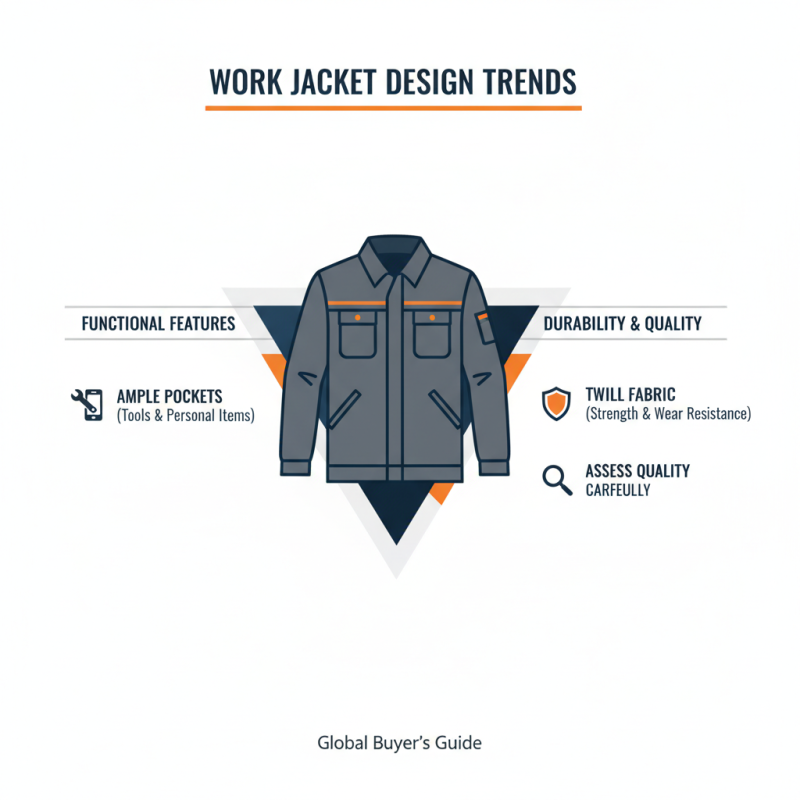
When selecting a twill work jacket, global buyers should prioritize key design trends. Functional features are essential. Look for jackets with ample pockets. These can store tools and personal items easily. Also, consider the durability of the fabric. Twill offers strength and resistance to wear. However, not all twill is created equal. Buyers need to assess the quality carefully.
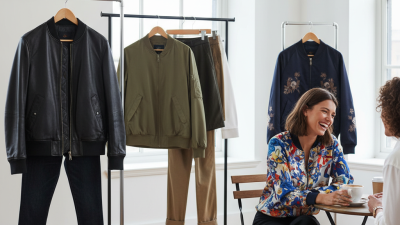
Color and style also play a significant role. Earthy tones are popular for blending into different environments. Yet, bright colors enhance visibility in hazardous settings. A balance of aesthetics and functionality is vital. Think about the jacket's ease of movement. A well-designed jacket should allow flexibility. This aspect often gets overlooked.
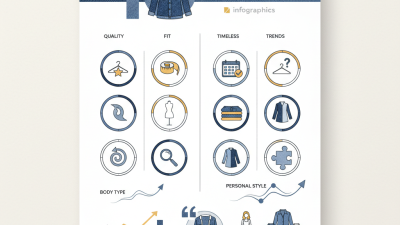
Lastly, the fit is crucial. A common oversight is choosing the wrong size. Ill-fitting jackets can hinder performance and comfort. Understanding body types can aid in selecting the right fit. That's why buyers must prioritize quality over trends. Each detail matters in achieving a satisfactory work jacket. Quality craftsmanship is worth investing in for long-term use.