2026 How to Choose the Best Kids Puffer Jacket for Winter?
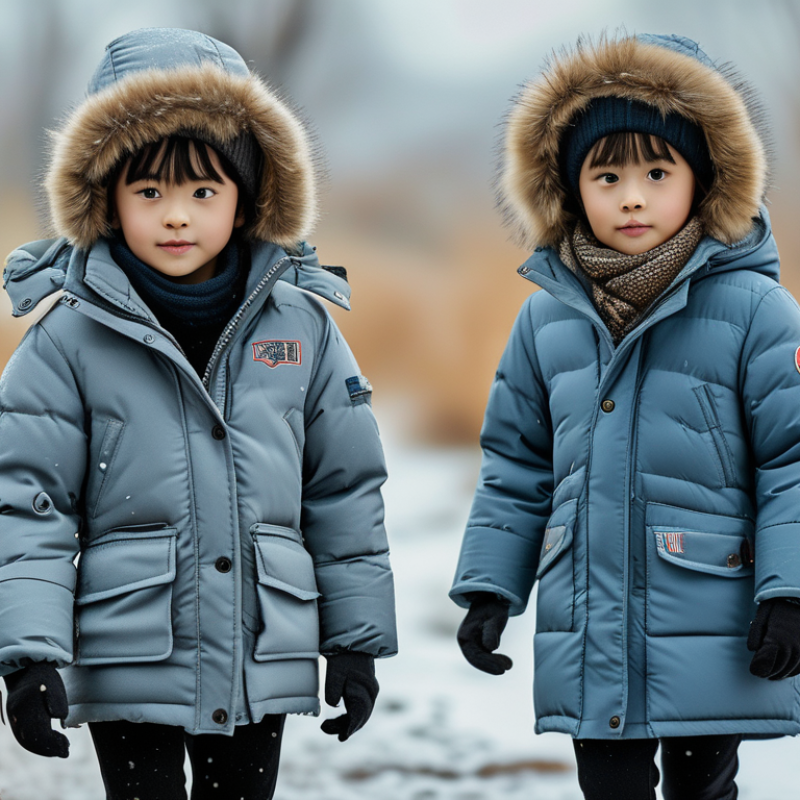
When winter arrives, keeping children warm is essential. A high-quality Kids Puffer Jacket can make a big difference in their comfort. These jackets are designed to trap heat while being lightweight. They come in various styles and colors, making them appealing to kids.
Choosing the best Kids Puffer Jacket isn't always straightforward. Some jackets lack durability and warmth, leaving kids chilly during play. It's important to look for insulated options that provide real comfort. Features like water resistance and breathable fabrics are also crucial.
Parents often overlook fit and mobility. A too-tight jacket restricts movement, making it hard for children to enjoy outdoor activities. It’s essential to balance style and practicality. In the end, selecting the right Kids Puffer Jacket requires thoughtful consideration of materials, design, and functionality.
Understanding the Importance of Insulation in Kids Puffer Jackets
When choosing a puffer jacket for kids, insulation plays a vital role. It’s what keeps children warm during cold winter days. Look for jackets filled with down or synthetic materials. Down feathers offer excellent warmth but can be pricey. Synthetic insulation is often more affordable and performs well, even when wet.
Consider the jacket's weight and bulkiness. A good design should allow for movement without being cumbersome. Kids need to run and play, so a heavy jacket may restrict them. Also, pay attention to features like adjustable hoods and cuffs. These can enhance warmth and fit. A snug fit minimizes cold air from entering.
One common mistake is underestimating the temperature. Parents might think a jacket is warm enough when it’s not. It's better to choose layers for extra warmth. Also, ensure the jacket is easy to put on and take off. Kids may struggle with complicated designs, which can lead to frustration. A balance between style and functionality is essential.
Key Features to Look for When Selecting a Kids Puffer Jacket
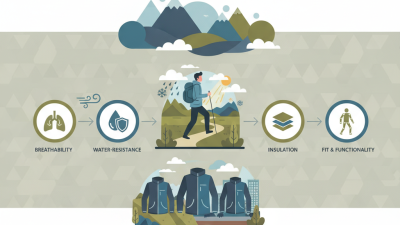
Choosing the right kids' puffer jacket for winter involves understanding key features that ensure warmth and comfort. Insulation material is crucial. According to the Outdoor Industry Association, jackets with high-quality down or synthetic insulation provide superior warmth. Look for jackets with at least 600-fill power down or equivalent synthetic insulation. This ensures that kids stay warm during outdoor play.
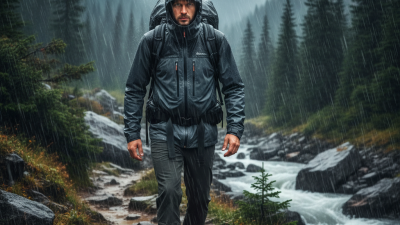
Another essential feature is the jacket's water resistance. Fabrics like nylon or polyester with water-repellent coatings help to keep children dry, which enhances their comfort. Research indicates that wet clothing can lead to rapid heat loss. Thus, a water-resistant jacket is vital for active winter days. Additionally, consider the jacket's fit. It should allow ample movement without being too bulky. A snug fit helps retain heat while permitting layering underneath.
Lastly, check for safety features like reflective strips. These features improve visibility during low-light conditions, which is common in winter. A study from the National Center for Safe Routes to School indicated that visibility is a key factor in preventing accidents. While some parents might prioritize style, practicality is paramount for safety and warmth during cold months. Finding the right balance can be challenging, but these considerations are essential for children's winter comfort.
Choosing the Right Size for Comfort and Movement
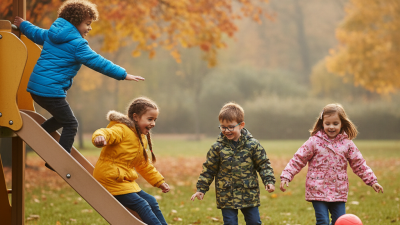
Choosing the right size for a kids' puffer jacket is crucial for comfort and mobility. A snug fit ensures warmth, but too tight can restrict movement. Children need freedom to play and explore. Try the jacket on over layers. This tests its practicality in real-world conditions. Arms should have enough room to move freely.
Measure your child’s chest, waist, and sleeve length before shopping. Use these measurements to compare against size charts. Remember, kids grow fast. A jacket that fits now may not fit by mid-winter. Consider a slightly bigger size, but avoid excessively loose jackets; they can hinder movement.
Make sure the jacket allows for layering. A good puffer jacket can accommodate a warm sweater or hoodie underneath. Check the length as well; it should cover the lower back without being too long. An ill-fitting jacket can lead to discomfort. Regularly revisit fit as seasons change. Suggest letting your child choose their favorite color or style. This increases their willingness to wear it!
Kids Puffer Jacket Size Guide: Comfort and Movement
Assessing Weather Resistance and Material Durability
When selecting a kids' puffer jacket, weather resistance and material durability are paramount. Research indicates that kids need jackets that can withstand harsh winter conditions. A report by the Outdoor Industry Association highlights that 75% of parents prioritize waterproof materials in their children’s winter clothing. This not only keeps kids dry but also affects overall comfort during outdoor play.
Materials such as nylon and polyester are popular for their durability. These fabrics resist wear and tear, ensuring the jacket lasts through active play. Look for jackets with an expert-recommended waterproof rating of at least 5,000mm; this level is suitable for light rain and snow. Additionally, consider breathability ratings. A breathable jacket allows moisture from sweat to escape, keeping kids warm and dry.
Tips: Always check product reviews. Insights from other parents can reveal real-world performance. Don’t be swayed solely by brand names; sometimes lesser-known options deliver better durability. If possible, involve your kids in the selection process; they can provide valuable feedback on fit and comfort. Pay attention to linings and insulation types, which can vary widely.
Exploring Style Options and Color Preferences for Kids
When choosing a puffer jacket for kids,
style and color matter significantly.
Children often express their individuality through clothing.
Research shows that 70% of parents consider style when buying winter jackets.
Bright colors are popular among kids.
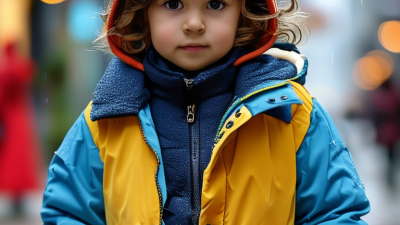
They add excitement to cold, dreary days. Shades like vibrant red, electric blue, and neon green catch the eye.
These colors stand out against the winter backdrop.
Additionally, the fit should be functional and appealing. A jacket that looks good but restricts movement falls short.
Kids need to be able to play freely. Experts recommend trying jackets with adjustable features to allow for a customized fit.
It's crucial to balance style with practicality.
Reflective materials can also be a good choice: they enhance safety during darker winter days.
While dealing with preferences, consider the seasonal trends.
Research indicates that animal prints and pastel colors are on the rise. However, what looks trendy today may not be tomorrow.
Reflecting on a child's taste is key. Even within a chic category, they might still favor comfort over style.
Finding a balance between trendy and timeless can be challenging. Ultimately, the best choice depends on personal preferences and practical needs.