Top Women's Jacket Buying Tips for Every Season?
Choosing the right women's jacket can be a challenge. With so many styles and materials available, it’s easy to feel overwhelmed. A well-chosen jacket should not only provide warmth but also enhance your style. Each season brings unique weather conditions, making the selection process even more critical.
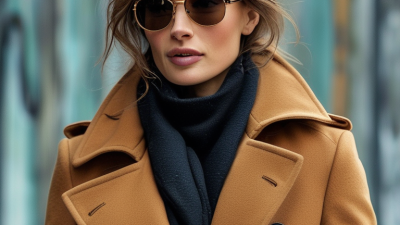
In spring, opt for breathable fabrics that allow airflow. Lightweight jackets are perfect for those cool evenings out. Summer may bring the need for a stylish, versatile piece that can transition from day to night. Fall often calls for layered looks—think cozy textures and rich colors. Winter, however, demands warmth and durability; look for insulated options that can withstand harsh conditions.
A quality women's jacket reflects personal style and meets practical needs. However, many overlook important factors, such as fit and color coordination. Remember, every wardrobe deserves pieces that inspire confidence. Make thoughtful choices to ensure that your jacket not only looks good but feels good, too.
Choosing the Right Fabric for Women's Jackets by Season
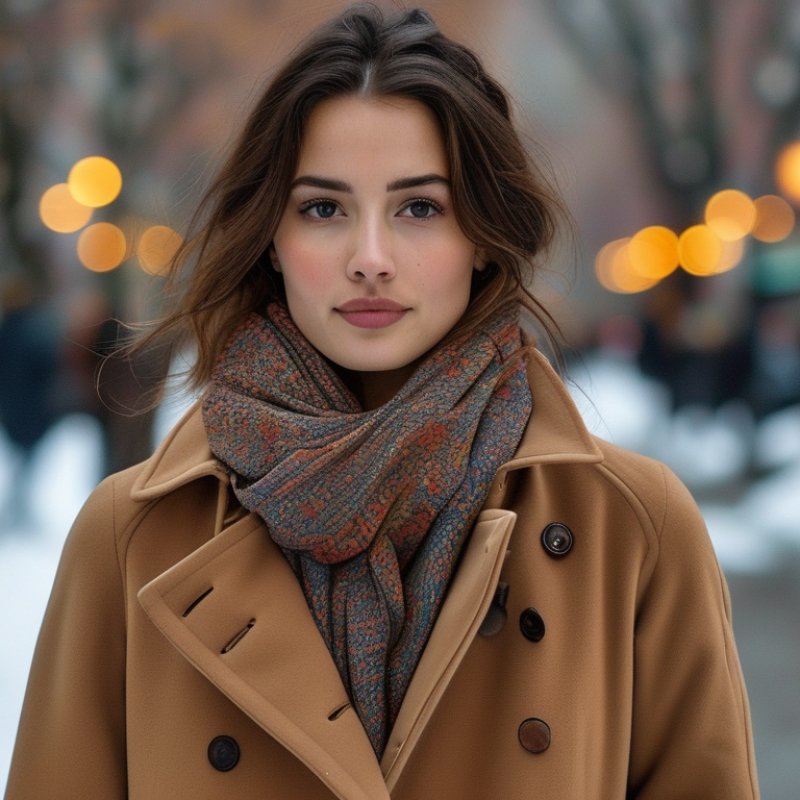
Choosing the right fabric for women's jackets is essential as seasons change. Each material offers unique benefits. For winter, opt for wool or insulated fabrics. They keep you warm and are durable.
In spring, lighter materials like cotton or denim are ideal. These fabrics provide breathability while still offering protection from unpredictable weather. Look for breathable linings that help regulate temperature.
For summer, consider lightweight and moisture-wicking options like linen. This fabric ensures comfort in heat. Remember, the right fabric not only enhances style but also affects functionality. Pay attention to how each fabric responds to weather changes. Don't hesitate to reflect on your choices and adapt as needed.
Understanding Different Jacket Styles for Various Occasions
When selecting a women's jacket, understanding the occasion is crucial. Different styles cater to various needs and settings. For outdoor activities, a waterproof jacket is essential. A 2022 report by the Outdoor Industry Association indicates that nearly 70% of consumers prioritize functionality in their purchases. Look for features like breathability and pockets, which enhance utility.
For evening events, a tailored blazer elevates your outfit. Consider choosing a fabric that drapes well. Studies show that 55% of women feel more confident in structured outerwear at formal gatherings. However, finding the right fit can be challenging. Many jackets are not designed to accommodate diverse body shapes, leading to dissatisfaction.
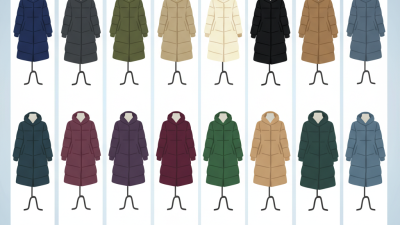
Seasonal trends also influence jacket choices. During winter, insulated jackets remain popular. Yet, many styles may not effectively balance warmth and style. A recent market analysis revealed that 40% of buyers struggle with this balance. It's worth trying several options to find the perfect blend of comfort and aesthetics. Always remember: the right jacket reflects your personal style while meeting practical needs.
Essential Features to Look for in Women's Jackets
When selecting a women's jacket, essential features matter greatly. Warmth is vital for colder months, while breathability is crucial for spring and summer. A report by the Outdoor Industry Association states that 70% of consumers prioritize weather resistance in jackets. Waterproof materials keep you dry during unexpected rain. Look for jackets with breathable fabrics to avoid overheating.
Fit and silhouette should match your body type. An ill-fitting jacket can lead to discomfort. A survey by Apparel Magazine found that 60% of women prefer jackets that allow for layering. Pockets are another feature to consider. Functional pockets enhance practicality and can be useful for carrying essentials.
Sustainability is gaining importance, too. Many consumers now seek eco-friendly materials. The Sustainable Apparel Coalition reports that 45% of shoppers are willing to pay more for sustainable products. However, brands may claim sustainability without proper certifications. Always check for authentic eco-labels. This awareness leads to better choices, reflecting a growing trend towards responsible fashion.
Top Women's Jacket Buying Tips for Every Season
| Feature |
Spring/Summer |
Fall/Winter |
| Material |
Lightweight fabrics (cotton, linen) |
Insulating materials (wool, fleece) |
| Water Resistance |
Not essential |
Highly recommended |
| Layering Ability |
Light layers |
Room for sweaters and heavy layers |
| Style |
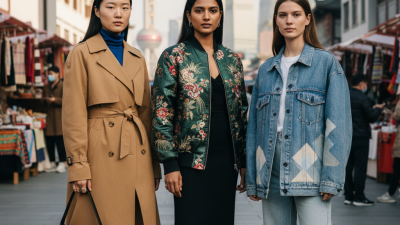
Casual, trendy (bomber, denim) |
Classic, warm (trench, parka) |
| Color Options |
Bright, pastel colors |
Neutral, dark colors |
Layering Techniques: How to Wear Jackets in Different Seasons
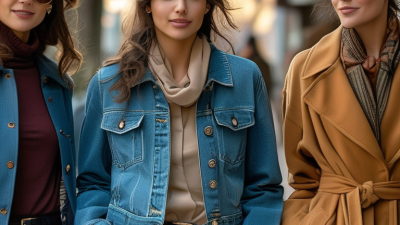
Layering is essential for mastering the art of seasonal jacket wear. In spring, a light trench can be layered over a cotton top and a thin scarf. This not only adds warmth but also creates dimension. Try mixing textures, like a denim jacket over a flowy dress. It strikes a balance between casual and put-together.
During the summer months, opt for lightweight bomber jackets. They can be thrown over a tank top for an evening outing. Remember, accessorizing with statement pieces can elevate your look. A cropped jacket with high-waisted shorts creates an appealing silhouette. Choosing breathable fabrics is key, as comfort should not be sacrificed.
As fall approaches, embrace cozy fabrics like wool or cashmere. A structured blazer over a chunky knit can be both stylish and warm. Don't shy away from experimenting with patterns. Mixing plaids and stripes can showcase personality but requires careful coordination.
Finally, winter calls for practicality. Layering thermal wear under an insulated jacket keeps you warm and chic. Layering isn’t just functional; it’s an opportunity to express your style.
Maintenance Tips to Extend the Life of Your Women's Jacket
Taking care of your women's jacket is essential for prolonged wear. Proper maintenance can significantly extend its life. Start by checking the care label for washing instructions. Many jackets require special handling. Hand washing is often gentler than machine washing. Use cold water and mild detergent to prevent fading and fabric damage. It's easy to overlook these details, but they make a significant difference.
After washing, always air dry your jacket. Heat can warp the fabric or damage lining materials. Hanging it neatly on a padded hanger keeps its shape intact. Regularly check for small tears or loose threads. Addressing these issues promptly helps prevent bigger problems later. Consider storing your jacket in a breathable garment bag. This protects it from dust and pests while allowing it to breathe.
Sometimes, even the best-maintained jackets may show wear. You might notice a slight discoloration or a frayed hem. Reflect on your usage patterns to identify potential causes. Seasonal weather can be harsh, and it’s worth noting any special care needed for different conditions. By being attentive and proactive, you can enjoy your jacket for many seasons to come.
Top Women's Jacket Buying Tips for Every Season