2026 Best Womens Jacket Types for Global Buyers?
Choosing the right Women's Jacket in 2026 requires more than following seasonal fashion reports. Global buyers must examine climate, customer habits, fabric performance, sizing, production consistency, and expected retail prices. A lightweight bomber may suit urban spring collections, while insulated parkas remain practical for colder markets. Leather-look jackets, tailored blazers, utility jackets, and recycled-shell outerwear also deserve close attention.
Fashion designer Giorgio Armani once said, “The difference between style and fashion is quality.” This principle remains valuable for every Women's Jacket purchasing decision. Quality appears in quiet details: smooth zippers, reinforced seams, balanced shoulder construction, secure pockets, and linings that do not twist during movement. Buyers should also request material specifications, testing records, care instructions, and clear supplier communication. Trust cannot be built from attractive photographs alone.
This guide explores the best Women's Jacket types for global buyers in 2026. It considers real purchasing conditions, from humid streets in Singapore to windy platforms in Northern Europe. It also compares comfort, durability, styling flexibility, and commercial potential. Some trends may disappoint. A recycled fabric can feel responsible, yet perform poorly if its coating cracks after repeated washing. A fashionable oversized cut may photograph well, but create fitting problems across regions. No buying guide is flawless. Markets shift, and customer feedback can challenge expert assumptions. Careful testing remains essential.

Women’s Jacket Types: Definitions, Features, and Main Categories
2026 Best Women’s Jacket Types for Global Buyers
Women’s Jacket Types: Definitions, Features, and Main Categories
A women’s jacket is an outer layer designed for protection, comfort, or style. Its structure usually includes sleeves, a front opening, and adjustable details. The main categories are tailored, casual, and performance jackets.
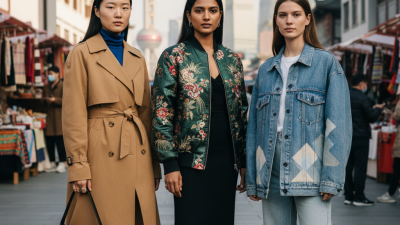
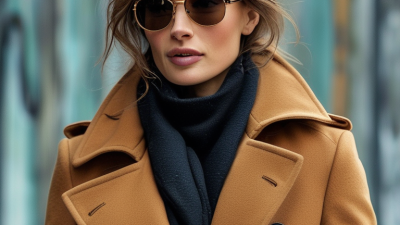
A blazer has shaped shoulders and a polished fit for workwear or formal settings. A bomber jacket has a short body, ribbed edges, and a practical zip closure. A trench coat is longer, often belted, and suitable for changing weather. A parka provides greater coverage, with a hood and insulated or weather-resistant construction. A puffer jacket uses stitched channels to hold down or synthetic filling. It feels warm but can appear bulky.
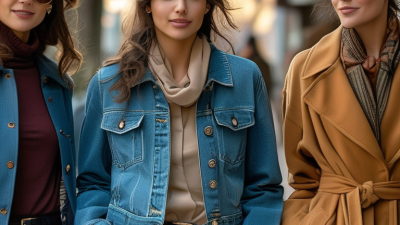
Casual categories include denim, utility, and lightweight quilted jackets. Performance styles include softshell, rain shell, and insulated outdoor jackets. Their key features include breathability, water resistance, stretch, insulation weight, and secure pockets. However, “water-resistant” does not mean waterproof. Buyers should check test methods, seam construction, fabric composition, and care instructions.
Sizing requires careful review across regions. Sleeve length and shoulder width often vary more than expected. A mistake I still see is judging quality from appearance alone. Zipper strength, lining stability, colorfastness, and repeated-wash performance matter too. Regional climate also changes demand: a lightweight shell may suit humid cities, while a longer insulated coat may serve colder markets. No single jacket wins every market.
Key Factors Global Buyers Should Consider in 2026
Choosing the best women’s jacket types in 2026 requires more than following seasonal trends. Global buyers should match each jacket to climate, customer habits, and shipping conditions. Lightweight shell jackets suit wet spring markets, while insulated parkas serve colder regions. Overshirts and cropped jackets may sell well in urban areas, but their demand can change quickly.
Material performance deserves careful testing. Buyers should check water resistance, wind protection, breathability, seam strength, and color fastness. A jacket that looks strong in a showroom may fail after repeated washing. Request laboratory reports and sample tests before confirming bulk orders. Small details matter, such as smooth zippers, reinforced pocket corners, adjustable cuffs, and accurate size grading. Fit can vary sharply between regions. Do not rely on one standard chart.
Supply chain reliability is equally important. Confirm production capacity, realistic lead times, fabric availability, and inspection procedures. Traceable materials can support responsible purchasing and clearer customer communication. Buyers should also review fiber content, care labels, packaging rules, and chemical safety requirements for each target market. These requirements differ across countries.
Keep the forecast flexible. Trends are imperfect. A popular color may lose momentum before delivery. Consider smaller initial quantities, adaptable colors, and core jacket shapes that remain useful beyond one season. A beautiful sample is not enough. Total cost, durability, compliance, and after-sales risk should guide the final decision.
2026 Best Women's Jacket Types for Global Buyers
Key factors global buyers should consider in 2026
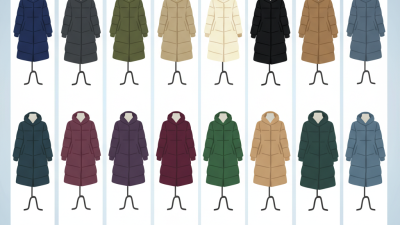
The benchmark compares major women's jacket categories across climate adaptability, year-round usability, customization potential, and sourcing practicality. Waterproof shells and insulated puffers perform strongly because they address weather protection and functional outdoor demand, while lightweight bombers and denim jackets offer broader seasonal versatility.
Best Women’s Jackets for Different Climates and Occasions
For global buyers, women’s jackets should match climate, movement, and local buying habits. In my product fittings, three details matter: fabric weight, ventilation, and reliable closures. A lightweight water-resistant shell suits rainy commutes and humid spring weather. It should have sealed seams and an adjustable hood, not merely a glossy surface. For dry heat, an unlined cotton or linen-blend overshirt feels less restrictive. Check shrinkage and colorfastness before ordering large quantities. Fit still matters. Quite a lot.
In cold continental regions, insulated parkas and quilted jackets protect better than thin fashion layers. Look for sufficient fill, wind-blocking cuffs, and pockets usable with gloves. A wool-blend coat works for offices, meetings, and evening events. It needs careful care and room for a sweater. For transitional climates, a removable liner adds flexibility. Yet liners can bunch during movement. I learned this during a sample review, when a neat-looking jacket became uncomfortable after an hour of walking.
Occasion should guide construction. A cropped jacket suits casual denim and short commutes, while a longer tailored style fits business travel. For outdoor work, reinforced elbows and easy-clean fabric may matter more than decorative hardware. Buyers should request measurement charts, fabric tests, and sample inspections. Regional sizing is inconsistent, so one approved sample cannot represent every body type. That limitation deserves honest planning. Ask wearers to test sleeves, shoulders, and pockets before final production.
Materials, Fits, and Performance Standards by Jacket Type
For global buyers, the best women’s jacket depends on climate, movement, and testing evidence. A lightweight shell suits wet city commutes. Choose recycled nylon or polyester with a durable water-repellent finish. Check ISO 811 hydrostatic pressure results for rain resistance. Breathability also matters during crowded train journeys. ASTM D737 air-permeability data can support this decision.
Insulated parkas need different standards. Synthetic fill performs reliably in damp conditions, while responsibly sourced down offers high warmth with lower weight. Ask for fill power, insulation weight, and documented traceability. The 2024 Textile Exchange Materials Market Report recorded 124 million tonnes of global fiber production in 2023. It also projects continued growth, so material efficiency deserves attention. Yet recycled content alone does not prove durability.
Tips: Test sleeve mobility with a thick sweater. Inspect seam sealing. Measure the hem when seated. Request wash-test results before ordering.
For transitional weather, a softshell or quilted jacket balances stretch, warmth, and packability. Buyers should compare chest, shoulder, and arm measurements rather than relying on small, medium, or large labels. European EN 343 testing helps evaluate protective rainwear, including water penetration and breathability. However, laboratory scores may not reflect repeated field use. I would request abrasion testing, colorfastness results, and sample feedback from local wearers. A perfect jacket does not exist. Good sourcing reduces unpleasant surprises.
Sourcing, Quality Control, and Market Trends for International Buyers
For global buyers, women’s jackets should match climate, price, and daily use.
Lightweight shells suit wet cities, while insulated puffers serve colder regions. Trench coats remain useful for transitional seasons, and utility jackets fit practical streetwear demand. Textile Exchange’s 2024 Materials Market Report estimates global fiber production reached 124 million tonnes in 2023. It may reach 160 million tonnes by 2030. Material selection now affects both cost and purchasing credibility.
Sourcing should begin with measurable specifications, not attractive samples alone.
Define fabric weight, fiber content, insulation fill, color tolerance, seam strength, and zipper performance. Ask suppliers for production capacity, testing records, and subcontractor transparency.
A pre-production sample should pass colorfastness, seam-slippage, shrinkage, and water-repellency tests. Check the real factory floor. Documents can look perfect.
Quality control needs several checkpoints.
Inspect fabric rolls before cutting, then review panel alignment and stitch density during sewing. Final inspections can use an agreed AQL level, but sampling cannot replace good process control. McKinsey’s State of Fashion 2025 identifies value-conscious consumers and uncertain demand as major industry pressures.
Buyers should therefore request smaller trial orders and flexible size ratios. Recycled polyester is not automatically better; Textile Exchange reported recycled polyester’s share fell slightly in 2023. Certification, traceability, and actual performance still require verification. One weakness remains common: buyers sometimes approve appearance while ignoring comfort after washing.