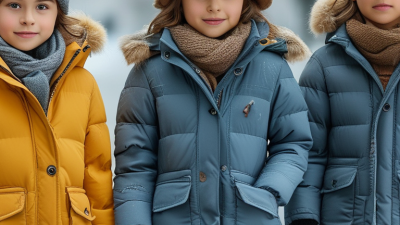
Why Choose the Best Kids Jacket for Winter Protection?
When winter arrives, keeping children warm is essential. The right choice of a Kids Jacket can make a significant difference. Dr. Emily Carter, a renowned pediatric expert, emphasizes, “A quality jacket not only protects from cold but also ensures comfort.”
Choosing the best Kids Jacket requires careful consideration. Parents must look at insulation, waterproof materials, and fit. Each child has unique needs. The right jacket provides warmth and freedom to play. Many jackets look good but lack functionality.
It’s also critical to consider how a jacket will perform in real-world conditions. Some parents may find a jacket that is stylish, yet fails in heavy snow. These details need focus. A jacket should grow with the child. Investing in quality can save money in the long run. Finding an ideal balance between style and practicality is vital. Winter jackets can be a challenging area. The perfect Kids Jacket is out there; it just takes time to find it.
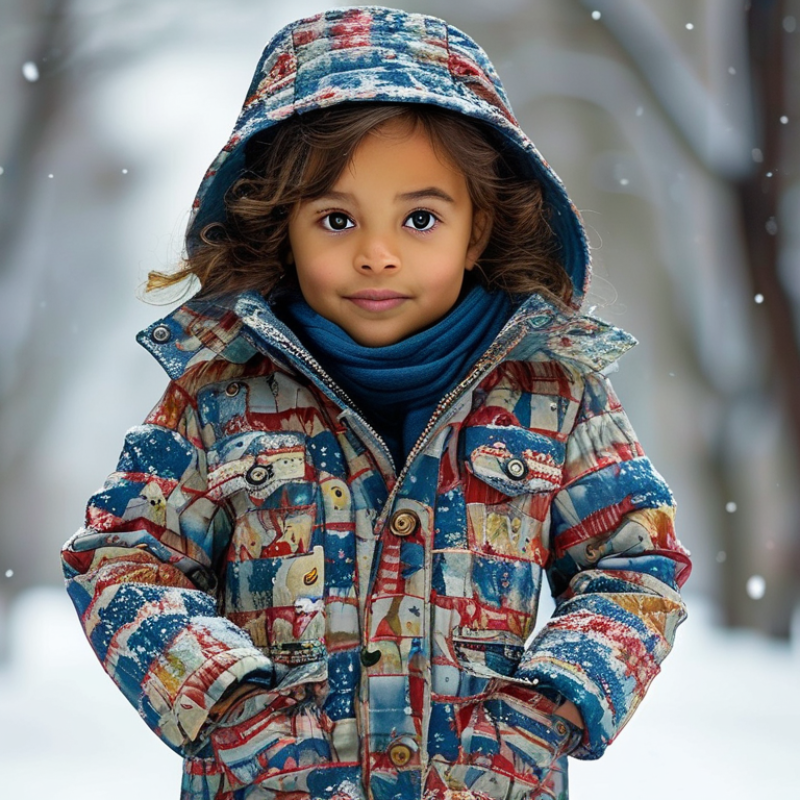
Importance of Selecting a High-Quality Kids Jacket for Winter
Selecting a high-quality kids jacket for winter is essential for their comfort and safety. A good jacket not only provides warmth but also protects against harsh weather conditions. With temperatures dropping, a reliable jacket can make all the difference. What should you consider when choosing one?
Look for materials that offer insulation and are waterproof. Fleece-lined jackets keep kids warm and cozy. Breathable fabrics are equally important. This ensures they don’t overheat during play. A jacket with adjustable features, like cuffs and hoods, provides a snug fit. This can prevent cold air from sneaking in.
Tips for parents: always check the jacket's durability. Kids are active and need a jacket that withstands wear and tear. Consider styles with reflective elements for safety during low-light conditions. Don’t overlook comfort; if the jacket feels heavy, it might be too cumbersome for your child. Always involve your child in the selection process. Their preferences matter, and they will be more likely to wear a jacket they love.
Key Features to Look for in Winter Jackets for Kids
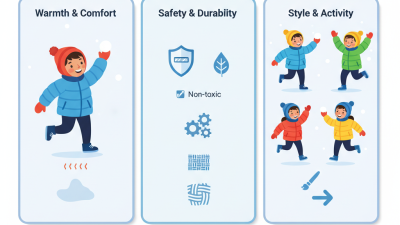
When selecting a winter jacket for kids, certain features are essential for optimal protection. Insulation is the most important factor. According to the American Academy of Pediatrics, appropriate insulation helps maintain body heat during cold weather. Look for jackets with high-quality polyester or down filling, which traps warmth effectively. A jacket with at least 200 grams of insulation is often recommended for frigid temperatures.
Water resistance is another critical feature. Kids love playing in the snow or rain, and a water-repellent jacket keeps them dry. Research shows that dry clothing helps prevent hypothermia, especially in children. Opt for jackets made from materials with a minimum waterproof rating of 5000 mm. This ensures that they can stay comfortable in wet conditions.
Additionally, consider the fit and adjustability. A jacket that fits well allows for ease of movement while providing warmth. Adjustable cuffs, hoods, and hems are useful features. They help to keep cold air out and provide a personalized fit. Experts also recommend reflective elements for safety. Visibility is crucial, especially during winter when days are shorter. Reflective strips can make a significant difference when outdoors. These considerations not only ensure warmth and comfort but also contribute to safety and enjoyment during winter activities.
Key Features of Winter Jackets for Kids
Materials that Provide Optimal Warmth and Protection
When searching for the perfect kids' jacket for winter, materials play a crucial role. Insulation types make a significant difference. Synthetic fibers, such as polyester, are lightweight and offer excellent thermal protection. According to the American Academy of Pediatrics, children lose heat quickly. A jacket with proper insulation can help retain body warmth, preventing hypothermia during chilly months.
Water-resistant and weatherproof fabrics are essential for outdoor play. Materials like nylon or treated cotton resist moisture while allowing breathability. A study by the Frost and Sullivan Group indicates that 73% of parents prefer jackets that can withstand rain and snow. These jackets keep kids dry, reducing the risk of illness.
Finding a jacket that balances warmth and comfort is challenging. Some designs may be too bulky, restricting movement. A jacket must fit correctly without compromising insulation. Considerations like layering also matter—too many layers can make kids feel uncomfortable. Awareness of these details is vital for making an informed decision.
Benefits of Layering with Insulated Kids Jackets
When winter comes, choosing the right kids’ jacket becomes essential. A well-insulated jacket can provide warmth and comfort. Layering is crucial for effective winter protection. It allows kids to adapt to changing temperatures. A thin base layer helps wick moisture away. An insulated jacket on top traps heat. This combination keeps kids cozy during outdoor activities.
Insulated jackets offer many benefits. They keep the cold air out while maintaining breathability. This prevents overheating during play. The right jacket can also act as a windbreaker. Wind resistance adds an extra layer of protection. Kids can wear their jackets comfortably while engaging in winter sports.
Yet, finding the perfect fit can be challenging. Some jackets may feel bulky or restrictive. Parents often struggle to balance warmth and mobility. It’s important to try different styles. A little discomfort can lead to better choices in the long run. Reflecting on these aspects helps parents make informed decisions.
Tips for Ensuring Proper Fit and Comfort in Kids Winter Jackets
When choosing a winter jacket for kids, proper fit and comfort are essential. A well-fitting jacket can mean the difference between warmth and discomfort. To achieve this, take accurate measurements of your child's chest, waist, and arm length. This ensures you select the right size. Remember, jackets that are too tight restrict movement, while overly loose jackets can cause drafts and reduce insulation.
Consider the jacket's design elements, such as adjustable cuffs and hoods. These features can prevent cold air from entering and keep your child snug. It's also important to check the fabric and insulation type. Some materials are more breathable than others. A balance between warmth and breathability can help prevent overheating during playtime.
Choosing a jacket that is slightly roomy allows for layering underneath. Kids grow quickly, so consider a jacket that can last more than one season. Before finalizing your selection, have your child try it on. Ask them about the fit and if they feel comfortable moving around. A warm jacket is essential, but if your child dislikes wearing it, it gets left behind.