How to Choose the Best Kids Puffer Jacket for Winter
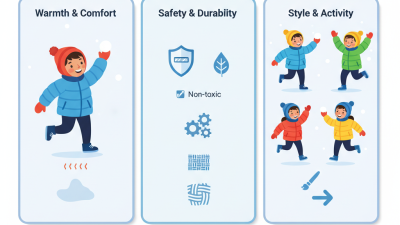
Choosing the right Kids Puffer Jacket for winter can be a daunting task. With many options available, each jacket varies in style, material, and insulation. Parents often feel overwhelmed when trying to find the perfect fit. Warmth, comfort, and durability are essential, but these jackets should also be stylish enough to make kids happy.
Consider the jacket’s insulation type. Down insulation is lightweight and warm, while synthetic options are often more affordable and easier to care for. Evaluate the material as well. Some fabrics are waterproof, while others resist wind. A perfect Kids Puffer Jacket should strike a balance between functionality and preference.
Additionally, try to involve your child in the selection process. Their input can help ensure they love what they're wearing. Remember, each child's needs and preferences differ. A seemingly perfect choice might not work for everyone. Reflect on past purchases to guide you, and consider returning items if they don’t meet expectations. This thoughtful approach can lead to a better winter experience for you and your child.
Factors to Consider When Selecting a Kids Puffer Jacket for Winter
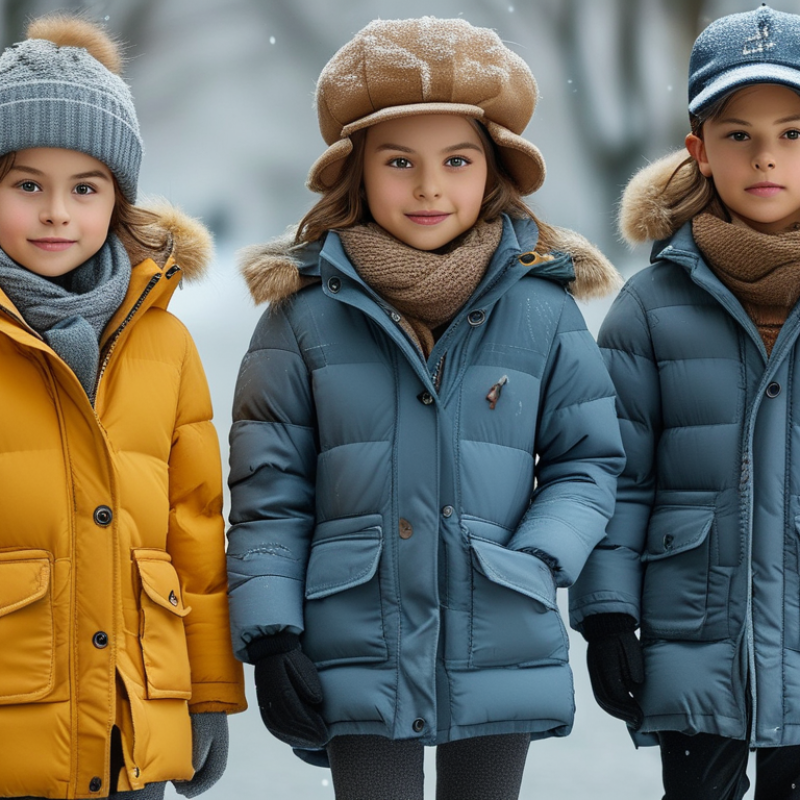
Choosing the right kids' puffer jacket for winter involves several key factors. First, insulation is critical. Look for jackets filled with down or synthetic materials that trap warmth. These insulating fillings keep kids snug during chilly days. However, down can be tricky. It loses warmth if wet, so consider the weather in your area.
Next, the jacket's fit is essential. It should have enough room for layers but not be too baggy. A well-fitted jacket allows freedom to move and play. Features like adjustable cuffs and hems can help achieve a snug fit. Remember, jackets can wear out. Inspect for quality stitching and durable materials. Kids can be tough on clothes, and wear and tear is common.
Finally, consider functionality. Pockets for warm hands are great. Reflective strips enhance visibility during darker days. Kids often lose things, so secured pockets can be a lifesaver. Choosing a jacket that balances style and practicality is vital. A stylish jacket may help your child feel confident. Yet, practicality is key in harsh weather. Finding this balance can be a challenge.
Insulation Types: Understanding Down vs. Synthetic Fill Materials
When selecting a kids' puffer jacket, understanding insulation types is crucial. Two main materials dominate the market: down and synthetic fills. Down is known for its lightweight warmth. It offers excellent insulation due to its fluffy structure, which traps heat. However, down jackets can lose effectiveness when wet. Parents should consider that down jackets often require more care.
On the other hand, synthetic fills, such as polyester, provide a reliable alternative. These materials perform well in wet conditions. According to industry reports, synthetic fills retain heat even when damp. This means kids stay warm, regardless of the weather. Their affordability also makes them an appealing option for budget-conscious families.
While down has a reputation for superior warmth, reports suggest that synthetic alternatives have improved significantly. They can offer nearly comparable warmth-to-weight ratios. Yet, some parents find the feel of synthetic materials less appealing. Careful attention to insulation type can help parents choose wisely.
How to Choose the Best Kids Puffer Jacket for Winter - Insulation Types: Understanding Down vs. Synthetic Fill Materials
| Insulation Type |
Pros |
Cons |
Best Use |
Price Range |
| Down Fill |
Excellent warmth-to-weight ratio, compressible, lightweight. |
Can lose insulating properties when wet, usually more expensive. |
Cold and dry conditions, casual wear. |
$100 - $300 |
| Synthetic Fill |
Retains warmth when wet, usually more affordable, hypoallergenic. |
Heavier than down, bulkier, may not compress as well. |
Wet and cold conditions, varied activities. |
$50 - $200 |
| Hybrid Fill |
Combines benefits of down and synthetic, lightweight with good insulation. |
Can be more costly, depending on the mix and technology used. |
Versatile use in changing climates. |
$150 - $350 |
Sizing and Fit: Ensuring Comfort and Mobility for Active Children
When choosing a puffer jacket for children, sizing and fit are crucial. A report from the American Society for Testing and Materials highlights that improper fit can restrict movement. This is especially important for active kids who need to run, jump, and play. A jacket that is too tight can lead to discomfort, while one that is too loose may not provide the necessary warmth.
Consider the jacket's internal features as well. Many jackets come with adjustable cuffs and hems. These features can enhance fit and help retain heat. A study published in the Journal of Child Health suggests that optimal fit can improve outdoor activity levels in colder months. Children should feel confident and unrestricted in their jackets, allowing them to focus on play rather than discomfort.
It's important to remind ourselves that not all jackets will fit every child perfectly. Some may need a larger size for length but may find it bulky around their midsection. This trade-off needs careful consideration. Each child has unique body shapes that require specific attention. Take the time to try different styles and sizes to find the perfect balance between warmth and mobility.
Water Resistance and Breathability: Key Features for Winter Conditions
When choosing a kids puffer jacket for winter, focus on water resistance and breathability. These features are essential for keeping young adventurers comfortable in chilly conditions. Water resistance ensures that kids stay dry during light rain or snow. Breathability allows sweat to escape, preventing overheating during active play.
Tips: Look for jackets with a water-resistant coating or treated fabric. This feature is crucial for maintaining warmth. Ensure the jacket has ventilation options like mesh panels or zipper vents. Proper breathability prevents the child from feeling clammy.
Also, consider the jacket's layering potential. Some jackets fit snugly, making it hard to wear layers underneath. A good fit helps maintain warmth while still allowing freedom of movement. It's vital to reflect on the right size; too big may not keep warmth in, while too small restricts mobility. Finding that balance takes time and careful selection.
How to Choose the Best Kids Puffer Jacket for Winter
This chart illustrates the key features to consider when selecting a kids' puffer jacket for winter, focusing on water resistance and breathability ratings. The data reflects the average ratings based on expert reviews.
Style and Design: Choosing a Jacket Kids Will Love to Wear
When choosing a puffer jacket for kids, style and design are crucial. Kids appreciate vibrant colors and fun patterns. A study by the National Retail Federation shows that 74% of children express their personality through clothing choices. Parents should aim for jackets that combine aesthetics with functionality.
A lightweight design is essential. Kids are active and need jackets that don’t hinder their movement. Look for features like adjustable hoods or cuffs, ensuring a snug fit. Fabrics with moisture-wicking properties can keep kids comfortable during outdoor play. Keep in mind that puffer jackets should be easy to put on and take off, especially for younger children.
Tips: Consider involving your child in the selection process. This can help them feel more excited about wearing their new jacket. Choose jackets with reflective elements for safety during dark winter days. Lastly, check for easy washability, as kids can get messy while playing outside. Balancing style with these practicalities can lead to a jacket that your child loves and will actually wear!