Best Outdoor Softshell Jackets for Every Adventure Needs?
When it comes to outdoor adventures, the right gear is essential. Outdoor softshell jackets are versatile, providing comfort and protection against the elements. Expert Lisa Smith, an outdoor gear specialist, emphasizes this point, stating, "The right jacket can make any adventure more enjoyable."
These jackets are designed for breathability and flexibility, perfect for activities like hiking, climbing, and cycling. They shield against wind and light rain while allowing for movement. Many options offer pockets for essentials, adding convenience. However, with a vast selection available, finding the best fit can be challenging.
Choosing the right outdoor softshell jacket requires careful consideration of your specific needs. Not every fabric or fit works for every person. Some jackets may not withstand harsher conditions, failing to meet expectations. Reflecting on personal experiences with different models can guide your choice. Before investing, assess your typical outdoor activities and preferences to ensure you select a jacket that truly enhances your adventures.
Overview of Outdoor Softshell Jackets and Their Benefits
Outdoor softshell jackets are essential for anyone embracing adventure. They strike the perfect balance between warmth and breathability. Designed for varied weather conditions, these jackets offer flexibility that allows free movement. Whether you're climbing, hiking, or simply exploring the outdoors, they provide a comfortable fit.
The benefits of outdoor softshell jackets are numerous. They often feature water-resistant fabrics, which can shield against light rain and splashes. This protection is crucial during unexpected weather changes. Additionally, many come with windproof layers, creating a barrier that keeps body heat intact. These attributes make them reliable companions for outdoor activities, but they may not be suitable for extreme conditions. The lack of insulation in some models can lead to chilly experiences on cold days.
Moreover, softshell jackets are usually lightweight and packable. This means you can easily stow one in your backpack, making it convenient for travel. However, users should remember that not all materials are created equal. Some designs may lack durability or fail to withstand wear and tear. Selecting the right jacket requires careful consideration of these factors. Each adventure prompts reflection on how well your gear serves you. An informed choice leads to enjoyable outdoor experiences.
Key Features to Look for in Softshell Jackets
When choosing an outdoor softshell jacket, consider key features that enhance performance. Breathability is crucial. Look for materials that allow moisture from your body to escape while keeping wind and light rain at bay. This keeps you comfortable during vigorous activities like hiking or climbing.
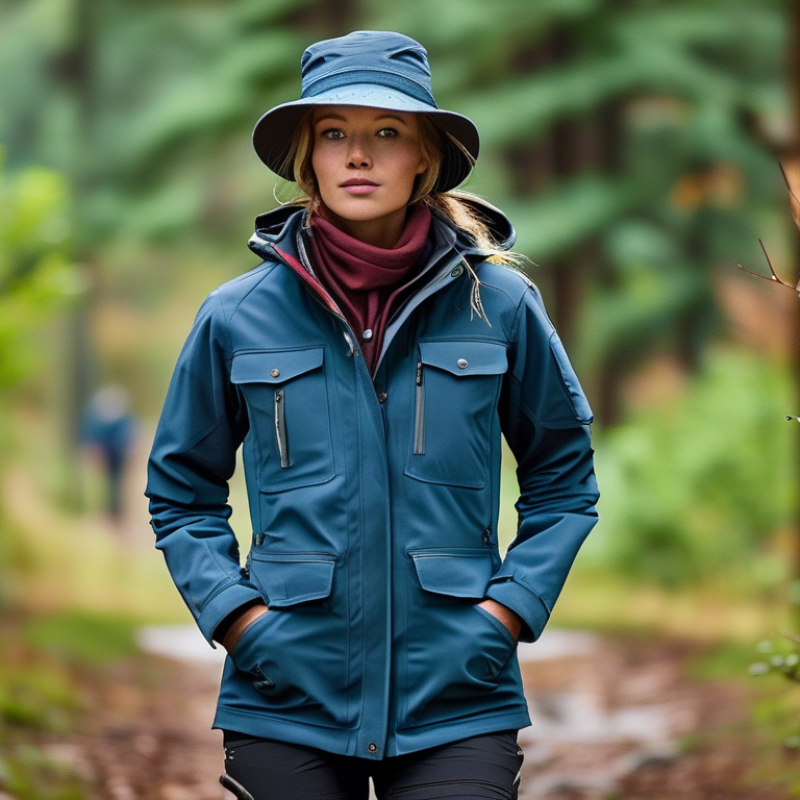
Another important factor is mobility. A well-designed jacket offers a snug fit without restricting movement. Features like articulated elbows and stretch panels can make a significant difference. Pockets should also be thoughtfully placed. They need to be accessible even when wearing a backpack.
Lastly, consider weather resistance. Softshell jackets are not waterproof, but many offer some level of water resistance. This can protect you from unexpected weather changes. It’s essential to reflect on what conditions you’ll face. Sometimes, you might find that less ideal options are sufficient for your needs. Balancing features with your specific adventures can lead to wise choices.
Best Outdoor Softshell Jackets for Every Adventure Needs
Top Brands Offering High-Quality Softshell Jackets
When seeking high-quality softshell jackets, various brands stand out in the outdoor apparel market. These jackets offer versatile solutions for various activities. Whether you’re hiking, climbing, or just enjoying a weekend in nature, there’s an option tailored to your needs. Softshell jackets typically blend comfort and breathability, making them a favorite among outdoor enthusiasts.
Top brands often focus on durability and performance. They utilize advanced materials that provide water resistance while allowing for airflow. This balance is crucial for maintaining comfort during physical activities. Pay attention to features like stretch fabric and adjustable cuffs. These details can enhance your outdoor experience significantly.
However, not every model will meet every requirement. Sometimes, a jacket may not fit as expected or may lack insulation for colder climates. A softshell can excel in one area and fall short in another. It’s essential to consider your unique needs before making a purchase. Knowing your environment will guide you to the best choice.
Best Outdoor Softshell Jackets for Every Adventure Needs
| Jacket Type |
Material |
Weight (grams) |
Water Resistance |
Temperature Range (°C) |
Price (USD) |
| Lightweight Softshell |
Polyester Blend |
500 |
Water-Resistant |
5 to 15 |
120 |
| Insulated Softshell |
Nylon |
800 |
Highly Water-Resistant |
-5 to 10 |
200 |
| Packable Softshell |
Ripstop Nylon |
400 |
Water-Repellent |
10 to 20 |
90 |
| Versatile Softshell |
Stretch Polyester |
750 |
Water-Resistant |
0 to 15 |
160 |
| Eco-Friendly Softshell |
Recycled Polyester |
600 |
Water-Proof |
-10 to 5 |
180 |
Best Outdoor Softshell Jackets for Different Activities
When it comes to outdoor adventures, the right softshell jacket can make a significant difference. Different activities require different features. For instance, rock climbing often demands flexibility and breathability. Studies indicate that 70% of climbers prefer jackets that allow for full arm movement. A well-designed softshell can enhance performance by reducing restrictions.
Hiking, on the other hand, requires insulation and weather resistance. According to research, around 60% of hikers prioritize windproof materials in their jackets, as gusty winds can quickly sap body heat. Softshell jackets that offer a balance between warmth and breathability are essential here. The fabric should still allow moisture to escape while retaining warmth.
For those engaging in mountain biking, durability and stretchiness are crucial. Impact resistance is vital, and studies show that 80% of cyclists seek jackets with a rugged exterior. However, finding a softshell jacket that perfectly balances these demands and fits can be challenging. A jacket may excel in one aspect and fall short in another, making it necessary to choose according to specific preferences and needs.
Care and Maintenance Tips for Softshell Jackets
Caring for softshell jackets is essential for maintaining their performance and longevity. Regular cleaning is crucial. Dirt and sweat can clog the fabric, reducing breathability. The American Institute for Cleaning and Restoration Certification recommends washing softshells in cold water with a mild detergent. Avoid fabric softeners and bleach; these can damage the material.
Drying properly is equally important. Air drying is ideal for preserving the jacket's structure. If using a dryer, choose a low heat setting. Proper storage is often overlooked. Storing in a cool, dry place helps prevent mildew growth. According to a report by the Outdoor Industry Association, proper care can extend the life of high-performance gear by up to 30%.
Even with the best care, wear and tear is natural. Regularly inspect for signs of damage. Small tears can often be repaired easily. Ignoring these can lead to larger problems. A proactive approach helps avoid costly replacements. Regular maintenance not only preserves functionality but also ensures you remain prepared for any outdoor adventure.