Why Choose a Men's Waterproof Jacket for All Weather Conditions?
When facing unpredictable weather, a Men's Waterproof Jacket becomes essential. This versatile piece of clothing offers more than mere protection from rain. It serves as a shield against wind, snow, and various outdoor challenges. Choosing the right jacket can enhance your comfort during outdoor activities.
A Men's Waterproof Jacket combines functionality with style. Superior materials provide breathability and durability. Features like adjustable hoods and cuffs enhance freedom of movement. These details make a significant difference, especially when engaging in strenuous activities like hiking or biking.
However, not all jackets are created equal. Some may lack adequate insulation or breathability. It’s crucial to consider your specific needs. Invest in quality to ensure reliability during adverse weather. Evaluating options carefully can lead to a better choice. A well-chosen Men's Waterproof Jacket can be a vital ally in all weather conditions.
The Importance of Waterproof Ratings in Men's Jackets
When considering men's waterproof jackets, understanding waterproof ratings is crucial. These ratings indicate how effectively a jacket can repel water and keep you dry. Typically, the ratings are measured in millimeters. A rating of 5,000 mm means the fabric can withstand a water column of that height without leaking. This gives you a clear idea of its protective capabilities.
Different activities require different waterproof ratings. For example, if you plan to hike in light rain, a jacket with a rating of 5,000 to 10,000 mm should suffice. However, for heavy rain or extreme conditions, look for jackets rated 15,000 mm or higher. This differentiation is vital for choosing a jacket that meets your needs.
It’s important to remember that while waterproof ratings provide valuable information, they are not the sole determinant of performance. Fabric breathability, seam sealing, and construction quality also play a significant role. A jacket may have a high rating yet fail during active use if it lacks adequate ventilation. In real-world scenarios, a jacket that claims to be fully waterproof might still struggle against prolonged exposure or heavy downpours. Being aware of these nuances can help you make better decisions when investing in outerwear.
Understanding Breathability and Moisture Management in Waterproof Fabrics
Choosing a men's waterproof jacket is essential for tackling various weather conditions. Understanding breathability and moisture management in these fabrics can significantly enhance your outdoor experience. Waterproof jackets are often made with materials that repel water while allowing sweat to escape. This balance is crucial for staying dry and comfortable.
When you are out hiking or engaging in physical activities, breathability becomes a vital factor. A jacket that traps moisture can lead to discomfort or even hypothermia. Look for jackets that feature ventilation systems or adjustable openings. These can enhance airflow while keeping rain at bay.
Consider layering techniques to maximize the effectiveness of your waterproof jacket. Wearing moisture-wicking base layers will help manage sweat. This strategy allows the jacket to perform better in different conditions. Remember, fit matters. A well-fitted jacket should allow for movement without being restrictive.
Sometimes, even the best jacket may not keep you entirely dry. Reflect on how atmospheric conditions can change rapidly. Wind, humidity, and activity levels all impact moisture management. Keeping a towel or spare clothing can be a lifesaver when things don’t go as planned. Choose your gear wisely and prepare for the unexpected.
Key Features of Men's Waterproof Jackets for Various Weather Conditions
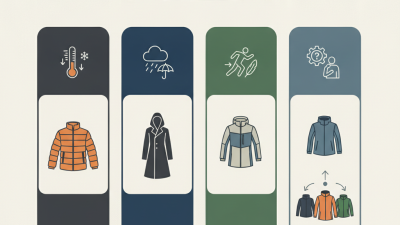
Men's waterproof jackets are essential for navigating unpredictable weather. They feature specific characteristics that enhance performance and comfort. A good waterproof jacket typically incorporates a breathable membrane. This allows moisture to escape while keeping rain at bay. It's crucial that the fabric remains lightweight yet durable to ensure versatility.
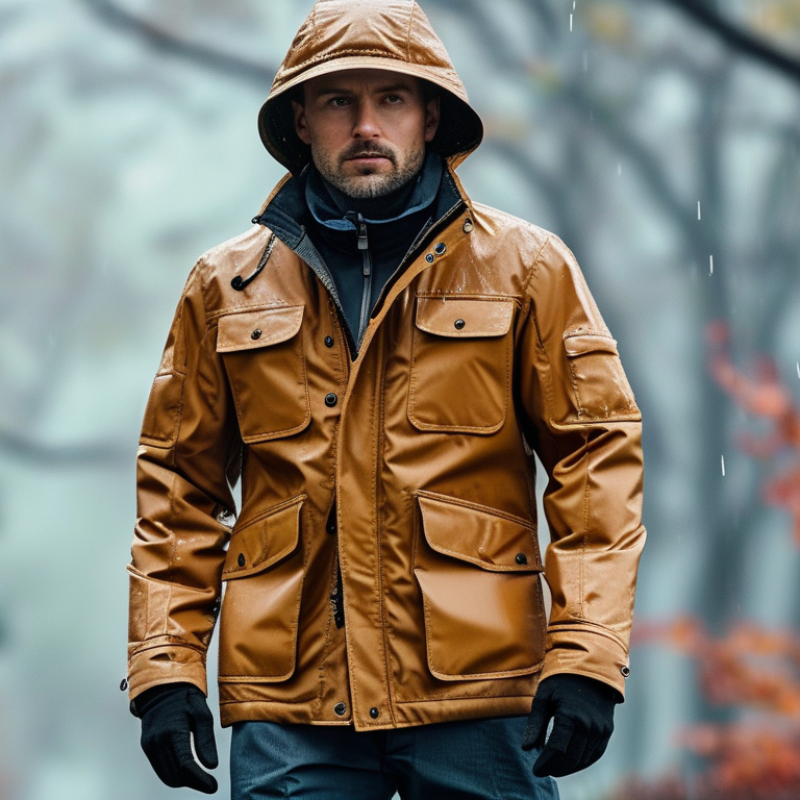
Look for features like adjustable hoods and cuffs. These elements help create a better fit and block wind and water. Pockets should be strategically placed, allowing easy access while keeping items secure. Reflective materials can improve visibility in low light. These details contribute significantly to safety and functionality.
Consider the insulation levels offered as well. Some jackets are designed for warmth, while others focus on breathability. Depending on your needs, you might choose a jacket that leans more towards one feature. It’s worth noting that while many jackets claim to be fully waterproof, real-world conditions can challenge their performance. A jacket can still leak in heavy downpours if not tested properly. Ultimately, assessing how a jacket meets your specific needs is vital for making the right choice.
Why Choose a Men's Waterproof Jacket for All Weather Conditions? - Key Features of Men's Waterproof Jackets for Various Weather Conditions
| Feature |
Description |
Weather Condition |
Benefits |
| Waterproof Material |
Utilizes advanced waterproof fabrics like Gore-Tex or nylon |
Rain, Snow |
Keeps you dry and comfortable |
| Breathability |
Allows moisture vapor to escape while preventing water from entering |
Humid Conditions |
Prevents overheating and condensation |
| Insulation |
Includes materials that retain heat |
Cold Weather |
Provides warmth in cooler temperatures |
| Adjustable Features |
Adjustable cuffs, hoods, and hems for a customizable fit |
Variable Weather |
Enhances comfort and functionality |
| Packability |
Lightweight and can be packed into a small size |
Traveling, Hiking |
Easy to carry and store |
| Reflective Elements |
Incorporated for visibility in low light |
Nighttime or Overcast Conditions |
Increases safety during outdoor activities |
The Role of Insulation in Enhancing Comfort During Cold and Wet Weather
Choosing the right insulation in a men's waterproof jacket can significantly enhance comfort during cold and wet weather. Insulation materials trap air, providing a barrier against the chill. These materials can vary widely, and the choice impacts overall warmth. Some jackets use synthetic insulation, which stays warm even when wet, while others employ down, known for its excellent warmth-to-weight ratio.
When you wear a poorly insulated jacket, the experience can be uncomfortable. Cold air seeps in, and moisture can make you feel clammy. This is why it is crucial to assess insulation types carefully. High-quality insulation keeps you cozy, but not all options are equal. It’s important to find the balance between warmth, weight, and breathability. A jacket that feels heavy might not provide the flexibility needed for outdoor activities.
Many people overlook the value of fit and layering with insulation. A tight-fitting jacket can restrict movement, while one that’s too loose may let cold air in. Understanding how insulation and fit interact is vital. Take the time to explore different jackets, feel the materials, and consider the activities you’ll undertake. Engaging with knowledgeable retailers or guides can provide insights, yet personal experience remains a significant part of making the right choice.
Comparative Analysis: Top Brands Offering Men's Waterproof Jackets
When choosing a men's waterproof jacket, it is essential to understand the offerings of various brands. Research indicates that the global waterproof clothing market is expected to reach $2.6 billion by 2025. This growth reflects increasing outdoor activities and a demand for reliable weather protection. Several brands stand out for their innovative technology and product performance.
For instance, a comparative analysis of waterproof ratings reveals that garments with a rating of at least 5,000 mm are considered suitable for moderate rain. Higher ratings, around 10,000 mm, offer excellent protection for heavy downpours. While some brands specialize in lightweight options for casual use, others focus on durability and breathability for intense outdoor activities.
Consumer feedback often highlights issues with jacket fit and mobility. While some jackets boast impressive waterproofing, they may lack the flexibility required for active use. Waterproof jackets should be functional in diverse weather. Selecting the right one may require trade-offs between breathability and insulation. Ultimately, understanding these factors allows for informed choices, meeting the needs of various outdoor enthusiasts.