Choosing a reliable Outdoor Waterproof Jacket supplier in China requires more than comparing factory prices. Material quality, production control, certifications, and communication can affect every finished garment. A jacket may look excellent in photographs, yet fail when rain reaches its seams or the zipper jams in cold weather.
This guide introduces ten notable Chinese suppliers for outdoor waterproof jackets. It considers manufacturing experience, fabric technology, seam sealing, waterproof ratings, breathability, customization, and export capability. It also examines practical details, such as sample accuracy, minimum order quantities, inspection procedures, and delivery performance. These factors matter when developing hiking shells, work jackets, cycling clothing, or branded outdoor collections.
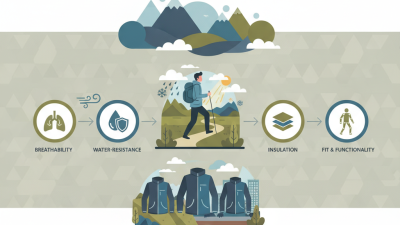
Real experience often reveals what product pages omit. A supplier should explain its fabric choices clearly and provide test results when requested. Reliable factories usually discuss hydrostatic pressure, moisture vapor transmission, coating durability, and washing performance without vague promises. Their production teams should also understand pattern construction, hood adjustment, cuff sealing, and abrasion resistance.
No supplier is perfect.
A low price may hide weak quality control. A large factory may offer strong capacity but slower communication. A smaller manufacturer may provide better attention but limited production flexibility. This comparison therefore avoids treating one supplier as suitable for every buyer. Instead, it offers a practical starting point for verification, factory discussions, and sample testing. Buyers should still inspect current certifications, confirm testing methods, and evaluate recent production evidence before placing an order. Availability and capabilities can change over time. That is worth remembering.
China Top 10 Outdoor Waterproof Jacket Suppliers?
Defining China’s top outdoor waterproof jacket suppliers requires more than comparing prices. A reliable supplier should understand fabric construction, seam sealing, hood adjustment, and weather protection. Ask for technical specifications, including hydrostatic pressure, breathability, fabric weight, and zipper performance. Factory samples should face practical testing under heavy rain, repeated washing, and outdoor movement. Small details matter.
Experience reveals weaknesses quickly. A jacket may resist water during a short test but fail around the shoulders after extended exposure. Inspectors should check taped seams, cuff design, pocket drainage, and stitching density. Review production records, material traceability, inspection reports, and corrective-action procedures. Certifications can support credibility, but documents alone cannot replace physical verification.
A strong supplier also communicates clearly about minimum order quantities, sample changes, lead times, and production capacity. Visit the facility when possible, or use an independent audit with dated photographs. Compare pilot samples with bulk production, because consistency is often the real challenge. I have seen impressive prototypes become ordinary factory output. That uncomfortable gap deserves attention. A supplier’s response to defects may reveal more than its sales presentation. Price still matters, but dependable protection, stable quality, and honest communication usually matter more.
When comparing outdoor waterproof jacket manufacturers, start with measurable performance, not catalog language. ISO 811 hydrostatic-pressure testing shows how much water pressure fabric withstands before leakage. ISO 4920 evaluates surface wetting after spray exposure. Ask suppliers for original laboratory reports, test dates, sample numbers, and fabric lots. A polished certificate without traceable evidence is weak evidence.
Production consistency matters just as much. Inspect seam-tape width, hood adjustment, cuff sealing, zipper garages, and fabric replacement after repeated washing. Request results after at least 20 wash cycles. Check hydrostatic pressure, moisture-vapor transmission, colorfastness, and seam strength. The 2024 Textile Exchange Materials Market Report states that polyester accounted for roughly 59% of global fiber production in 2023. It also highlights continuing dependence on fossil-based feedstocks. Therefore, compare recycled-content claims with transaction certificates and chain-of-custody records.
Do not ignore factory experience. Review annual capacity, worker training, needle-control procedures, and documented defect rates. A supplier producing 10,000 jackets monthly may not manage a sudden 100,000-piece order reliably. Ask for pilot samples and pre-production inspection records. I would also compare failure photos, not only pass rates. Suppliers rarely advertise those mistakes. That silence deserves attention. Cost remains important, but an inexpensive shell can lose waterproofing after a few washes. A practical comparison should weigh testing, consistency, traceability, lead time, and after-sales correction procedures.
The chart presents a practical 100-point evaluation model for comparing outdoor waterproof jacket manufacturers. Product performance, quality control, production capability, compliance, and commercial reliability are weighted according to their typical importance in supplier qualification.
Reference framework: higher-weight criteria generally have a greater impact on outdoor jacket performance, consistency, and long-term sourcing risk. The values are evaluation weights, not company-specific scores.
China’s outdoor waterproof jacket supply base is concentrated around coastal textile clusters. These factories serve hiking, workwear, cycling, and private-label buyers.
The first profile is a shell specialist using three-layer laminates for alpine conditions.
The second focuses on lightweight two-layer jackets for fast-moving outdoor collections.
The third develops seam-sealing systems for heavy rain and strong wind.
The fourth combines recycled polyester fabrics with lower-impact dyeing processes.
Textile Exchange’s 2024 Materials Market Report states that polyester represented about 59% of global fiber production in 2023. Material traceability therefore deserves close attention.
The fifth supplier serves technical workwear, with reinforced elbows and longer back panels.
The sixth produces packable rain jackets with compact hood designs.
The seventh specializes in children’s waterproof clothing, requiring careful testing and safer hardware choices.
The eighth offers insulated shells for cold-weather markets.
The ninth supports small-batch sampling and flexible minimum orders.
The tenth supplies high-volume basic jackets for promotional and retail programs.
Production claims should not be accepted without evidence.
Buyers should request hydrostatic-pressure results, breathability tests, wash-cycle reports, and factory audit records.
The ISO 811 waterproof test remains a useful reference for fabric resistance, although field performance can differ.
Laboratory figures are not everything. Poor seam construction can still cause shoulder leakage after repeated use.
Factory visits also reveal practical details, including cutting-room cleanliness, membrane storage, and inspection discipline.
Some suppliers present impressive samples but struggle with consistent bulk production. That weakness is easy to overlook.
Each profile should be reviewed against delivery history, corrective-action records, and verified export documentation.
China Top 10 Outdoor Waterproof Jacket Suppliers?
Manufacturing capabilities should come before glossy product photos. Strong suppliers operate seam-sealing lines, laser cutting, ultrasonic welding, and controlled fabric laboratories. They should test hydrostatic pressure, breathability, colorfastness, and wash durability. A practical target is a waterproof rating above 10,000 mm, although field performance depends on construction. According to Textile Exchange’s 2024 Materials Market Report, global fiber production reached about 124 million tonnes in 2023. This scale increases pressure for traceable and lower-impact materials. Ask suppliers for recycled-content records, fabric certificates, and production samples, not promises.
Certifications help, but they do not replace factory verification. ISO 9001 indicates quality-management control, while ISO 14001 supports environmental management. OEKO-TEX Standard 100 can verify harmful-substance testing for certified components. GRS documentation may support recycled-material claims. Customization should cover fabric weight, membrane type, seam-tape width, hood structure, pocket layout, zippers, labels, and packaging. Suppliers should also provide test reports from independent laboratories. Their sampling process matters. Can they repeat the same waterproof result after washing?
A supplier may hold several certificates and still produce inconsistent sleeve lengths. This happens. Buyers should inspect pilot runs, inline inspections, and final random checks. The Global Organic Textile Standard’s 2024 report also emphasizes traceability across processing stages, which is often difficult in complex outerwear production. Cost remains important, but the cheapest quotation may hide weak testing or unstable materials. A careful sourcing decision needs evidence, patience, and a willingness to question impressive claims.
| Rank | Supplier ID | Primary Manufacturing Profile | Typical Product Focus | Waterproof Construction | Breathability Range | Fabric & Technology Options | Production Capacity | Typical MOQ | Sample & Bulk Lead Time | Certification / Compliance Documentation | Customization Options |
|---|---|---|---|---|---|---|---|---|---|---|---|
| 1 | Supplier Profile 01 | Integrated outdoor shell manufacturer with in-house pattern development and sample room | 3-layer hiking shells, alpine jackets, technical rainwear | Fully taped seams; waterproof zippers available; storm flaps and adjustable hoods | 10,000–20,000 g/m²/24 h | Polyester 2.5L/3L Nylon ripstop PU membrane DWR finish | 30,000–60,000 pieces/month | 500–1,000 pieces per color | Prototype: 10–20 days Bulk: 45–65 days |
ISO 9001 available; fabric test reports; REACH and colorfastness testing; OEKO-TEX documentation for eligible materials | Pattern adjustment, logo application, fabric selection, zipper specification, label and packaging development |
| 2 | Supplier Profile 02 | Mid-to-large volume factory specializing in functional laminated apparel | Commuter rain jackets, trekking jackets, lightweight shell systems | Critical seam taping; bonded pockets; waterproof center-front zipper options | 8,000–15,000 g/m²/24 h | 2.5-layer laminate Recycled polyester Mechanical stretch C0 DWR | 50,000–90,000 pieces/month | 800–1,500 pieces per style | Prototype: 12–18 days Bulk: 40–60 days |
ISO 9001; social-audit reports such as BSCI or Sedex may be available; REACH and restricted-substance testing | Custom color matching, reflective trims, ventilation panels, fit blocks, woven labels, hangtags and cartons |
| 3 | Supplier Profile 03 | Specialized rainwear producer with automated seam-sealing equipment | Packable rain shells, cycling rain jackets, travel outerwear | Hot-air seam sealing; welded pocket construction; packable hood and hem systems | 5,000–12,000 g/m²/24 h | Polyester pongee Nylon taffeta TPU coating PU coating | 20,000–45,000 pieces/month | 300–800 pieces per color | Prototype: 7–15 days Bulk: 35–55 days |
Material hydrostatic-pressure reports; seam-tape testing; colorfastness and dimensional-stability reports | Compact folding design, all-over printing, silicone logos, custom zipper pulls, retail-ready packaging |
| 4 | Supplier Profile 04 | Performance outerwear factory with strong sportswear development capability | Running shells, golf rain jackets, outdoor training apparel | Partially or fully taped seams; ergonomic sleeve construction; waterproof pocket options | 8,000–18,000 g/m²/24 h | Stretch woven fabric Recycled nylon Breathable PU Laser-cut panels | 35,000–70,000 pieces/month | 500–1,000 pieces per style | Prototype: 10–18 days Bulk: 45–60 days |
ISO 9001; recycled-content certificates such as GRS may be available for qualifying materials; REACH testing | Sports-specific grading, reflective graphics, custom ventilation, bonded hems, embroidery and heat-transfer decoration |
| 5 | Supplier Profile 05 | Small-to-mid-size OEM/ODM factory focused on flexible low-volume development | Urban waterproof jackets, fashion-outdoor hybrids, private-label collections | Seam taping available by style; coated fabric construction; concealed hood options | 3,000–10,000 g/m²/24 h | Polyester oxford Nylon taslan PU coating Recycled fibers | 10,000–25,000 pieces/month | 200–500 pieces per color | Prototype: 7–14 days Bulk: 30–50 days |
Fabric mill test reports; REACH documentation; OEKO-TEX documents available when supplied by the mill | Low-volume private label, custom silhouettes, color development, trims, care labels and packaging |
| 6 | Supplier Profile 06 | High-volume workwear and outdoor apparel manufacturer | Heavy-duty rain jackets, utility shells, industrial outdoor wear | Reinforced seam sealing; storm cuffs; storm flaps; abrasion-resistant panel options | 3,000–8,000 g/m²/24 h | 300D/600D polyester Oxford fabric PVC-free coating Reflective tape | 60,000–120,000 pieces/month | 1,000–3,000 pieces per style | Prototype: 12–20 days Bulk: 50–75 days |
ISO 9001; EN ISO 20471 testing support for high-visibility garments; REACH and material safety reports | Utility pockets, reinforcement zones, high-visibility trims, custom size sets, badges and embroidery |
| 7 | Supplier Profile 07 | Technical apparel producer with digital pattern and small-batch sampling capability | Fast-hiking jackets, trail shells, lightweight mountaineering outerwear | Full seam tape; articulated construction; adjustable hood peak; water-resistant ventilation zips | 12,000–25,000 g/m²/24 h | 20D–70D nylon 3L laminate High-density weave Fluorine-free DWR | 15,000–35,000 pieces/month | 300–700 pieces per color | Prototype: 12–22 days Bulk: 45–70 days |
Waterproof-breathability laboratory reports; REACH; bluesign or equivalent material documentation may be available through approved mills | Technical fit, ultralight construction, custom seam-tape width, laser cutting, printed care marks and premium trims |
| 8 | Supplier Profile 08 | Recycled-material outdoor apparel supplier with sustainability-oriented sourcing | Eco rain jackets, recycled-fiber shells, corporate outdoor apparel | Seam sealing available; recycled waterproof fabrics; water-repellent finish options | 5,000–15,000 g/m²/24 h | GRS recycled polyester Recycled nylon PU membrane PFAS-free finish | 20,000–50,000 pieces/month | 500–1,200 pieces per style | Prototype: 10–18 days Bulk: 40–65 days |
GRS transaction certificates where applicable; OEKO-TEX documentation; REACH; supplier social-audit records | Recycled trims, sustainability hangtags, custom material composition, low-impact packaging and logo decoration |
| 9 | Supplier Profile 09 | OEM factory serving promotional, teamwear and corporate apparel programs | Branded packable shells, event rainwear, promotional jackets | Coated fabric with critical seam sealing; water-resistant pockets and packable construction | 3,000–8,000 g/m²/24 h | Polyester pongee Nylon PU coating Mesh lining | 40,000–100,000 pieces/month | 300–1,000 pieces per color | Prototype: 7–12 days Bulk: 30–50 days |
Basic fabric performance reports; REACH; colorfastness and azo-dye testing; audit documentation on request | Screen printing, embroidery, heat transfer, custom packaging, color matching and simplified size runs |
| 10 | Supplier Profile 10 | Flexible export-oriented manufacturer offering OEM and ODM development | General-purpose outdoor rain jackets, family outdoor wear, seasonal collections | Sealed or taped seams depending on specification; adjustable cuffs and hem; storm hood options | 3,000–12,000 g/m²/24 h | Polyester ripstop Nylon taslan PU-coated fabric Softshell panels | 25,000–55,000 pieces/month | 300–800 pieces per color | Prototype: 8–16 days Bulk: 35–60 days |
ISO 9001 or equivalent quality-system documentation may be available; REACH, colorfastness and hydrostatic-pressure reports | Custom colorways, hood design, pocket layout, logos, woven labels, size grading and export packaging |
Choosing among China’s top outdoor waterproof jacket suppliers requires more than comparing catalog photos. Start with factory capability, not sales claims. Ask whether the supplier owns production lines or outsources critical work. Check its experience with seam-sealed jackets, laminated fabrics, waterproof zippers, and bonded cuffs. Request recent factory audit records and product testing reports.
Order samples in several sizes. Inspect stitching around shoulders, pockets, and hood adjustments. Spray the jacket, then test it under continuous water pressure. A reliable supplier should explain waterproof ratings, breathability results, fabric composition, and wash-care limits clearly. Ask for the laboratory’s name, test date, and sample identification. Vague documents deserve caution.
Production control matters just as much. Confirm fabric lot tracking, needle detection, inline inspections, and final random checks. Discuss tolerance standards for measurements, color variation, seam tape position, and zipper performance. A capable supplier will provide a written quality plan before bulk production. Communication speed also reveals operational strength. If replies avoid technical questions, problems may appear later. One practical weakness is overvaluing low prices; cheap fabric and rushed sealing can create leaks after a few washes. I have seen sample approval become too casual. That mistake is expensive. Select a supplier that welcomes independent inspections, accepts corrective actions, and keeps records from fabric arrival through carton sealing.