Top 10 Outdoor Softshell Jackets for Quality and Durability?
When it comes to outdoor adventures, the right gear can make all the difference. Outdoor Softshell Jackets are a popular choice for enthusiasts. They balance comfort, breathability, and protection. Choosing the best one can be daunting. Many options flood the market, claiming to be the best.
Quality matters significantly in outdoor gear. These jackets must withstand harsh weather. A durable jacket should resist wind, water, and everyday wear. However, not all brands deliver on promises. Some may feel heavy or restrict movement. Others might lack essential features, leaving you unprepared.
Exploring the top outdoor softshell jackets can guide your decision. Quality construction and thoughtful design are key. Each jacket in our selection offers unique benefits. They cater to different activities and climates. Remember, the best choice reflects your personal needs. Don't rush; take time to consider your options. A well-chosen jacket enhances your outdoor experience, keeping you comfortable and protected.
Overview of Softshell Jackets and Their Benefits
Softshell jackets have become a staple for outdoor enthusiasts. They balance comfort, quality, and durability, making them ideal for various activities. According to the Outdoor Industry Association, 52% of outdoor participants prefer softshell jackets for their versatility. These jackets typically feature a breathable fabric that resists water and wind, offering critical protection in changing weather.
The benefits of softshell jackets are impressive. They provide excellent stretch, allowing for unrestricted movement during activities like hiking or climbing. Additionally, they often include features such as pockets and adjustable hoods, enhancing functionality. A 2023 survey revealed that users value comfort and breathability, citing these as essential factors in their buying decisions.
Tip: When choosing a softshell jacket, consider the fabric weight. Lighter jackets are great for warmer weather, while heavier options suit colder conditions. Remember to check for a snug fit around cuffs and hems—the right fit improves performance and warmth. Don't overlook testing breathability; activities increase perspiration. A jacket that vents moisture effectively keeps you comfortable longer.
Top 10 Outdoor Softshell Jackets for Quality and Durability
Key Features to Consider in a Quality Outdoor Softshell Jacket
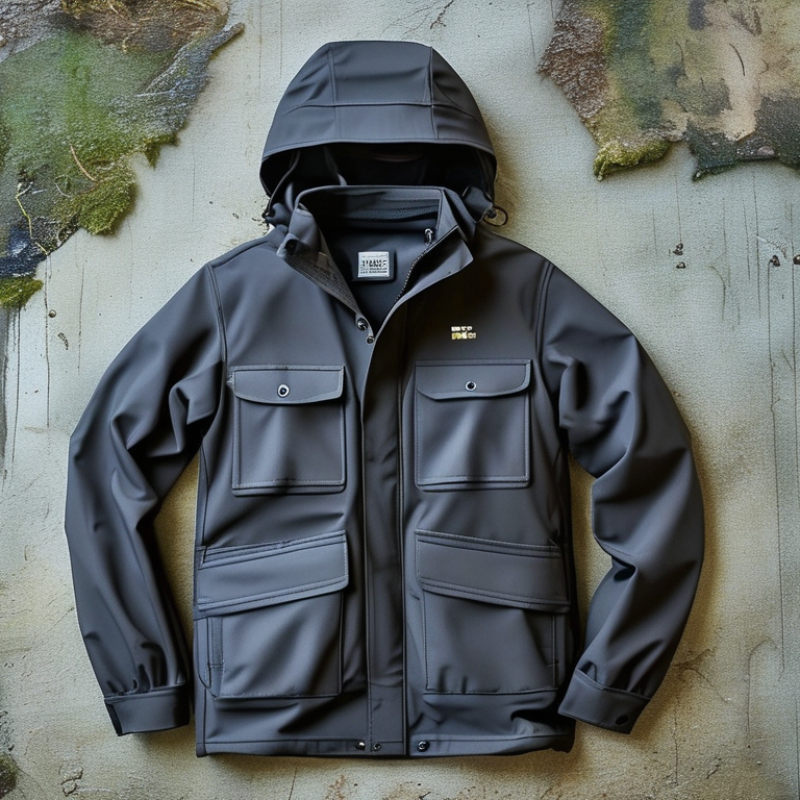
When choosing an outdoor softshell jacket, several key features stand out. The material should offer a balance between breathability and water resistance. Look for fabrics that allow moisture to escape while keeping you dry during sudden showers. A good softshell jacket resists wind as well. This is essential for comfort during high winds or chilly conditions. Test the windproof qualities before you commit.
The fit and flexibility of the jacket greatly influence its performance. A quality jacket should allow for a full range of motion. Features like articulated sleeves and adjustable hems enhance mobility. Easy access pockets are also crucial. They should be placed conveniently for quick storage or retrieval of gear. However, avoid pockets that bulge or add bulk. Also, pay attention to the seams. Taped seams provide added protection against the elements.
Consider the weight of the jacket as well. Lightweight options pack easily, which is great for travel. While it's tempting to prioritize lightweight, durability shouldn’t be sacrificed. Thinner materials can rip more easily, especially in rugged environments. Seek a jacket that provides longevity without compromising essential functions. Test it in various conditions to gauge its performance genuinely.
Top Brands Known for Durable Softshell Jackets
When it comes to selecting outdoor softshell jackets, durability is crucial. Many outdoor enthusiasts rely on robust garments that can withstand various conditions. According to a report from the Outdoor Industry Association, durable softshell jackets are essential for activities such as hiking, climbing, and skiing. These jackets typically incorporate advanced fabric technology for increased resistance against wind and water.
Several brands have established themselves as leaders in durability. Research indicates that jackets made from high-quality polyester and spandex blends offer better stretch and resilience. Often, the best options provide triple-stitched seams, ensuring they last longer under stress. However, not all high-priced jackets guarantee quality. Some consumers report that less known brands can outperform well-known ones.
Experts suggest checking for certifications like the bluesign® standard, which ensures environmentally friendly production without sacrificing quality. However, it’s also worth noting that some users find issues with fit and comfort in high-durability jackets. Investing time in trying different styles often leads to the best choice for individual needs. Understanding these factors may help you navigate the often overwhelming market of outdoor apparel.
Top 10 Outdoor Softshell Jackets for Quality and Durability
| Model |
Material |
Water Resistance |
Breathability |
Weight (oz) |
Price ($) |
| Model A |
Polyester |
Good |
High |
20 |
150 |
| Model B |
Nylon Blend |
Excellent |
Medium |
18 |
180 |
| Model C |
Softshell |
Very Good |
High |
17 |
160 |
| Model D |
Fleece-Lined |
Good |
Medium |
22 |
140 |
| Model E |
Poly Blend |
Excellent |
High |
19 |
200 |
| Model F |
Recycled Materials |
Good |
Very High |
21 |
190 |
| Model G |
Nylon |
Very Good |
High |
20 |
170 |
| Model H |
Cotton Blend |
Good |
Medium |
23 |
160 |
| Model I |
Thermal Insulated |
Excellent |
High |
24 |
220 |
| Model J |
Windproof Fabric |
Good |
Medium |
25 |
210 |
Comparison of Materials Used in Softshell Jackets
When choosing a softshell jacket, the material is crucial. Many jackets use polyester or nylon blends, which offer flexibility and resistance against water. Polyester is lightweight and dries quickly, while nylon provides more durability. These materials can endure harsh outdoor conditions. However, their breathability can vary. A poorly designed blend may trap moisture, limiting comfort during active pursuits.
Some jackets incorporate spandex for added stretch. This feature enhances mobility, especially for outdoor activities like climbing. However, too much spandex can reduce wind resistance. Finding the right balance is essential. The weight of the fabric also influences usability. Heavier options may provide warmth but can feel bulky and restrict movement.
A few manufacturers experiment with eco-friendly materials. These alternatives offer sustainability but may not always match traditional fabric performance. This raises questions about durability over time. Users need to assess trade-offs carefully. Softshell jackets must deliver both comfort and protection, making material choice critical. Paying attention to fabric characteristics leads to better outdoor experiences.
User Reviews and Testimonials on Popular Softshell Jackets
When choosing an outdoor softshell jacket, user reviews play a crucial role. Many hikers and outdoor enthusiasts emphasize the importance of comfort and fit. They often mention how a well-fitted jacket can make or break an outdoor adventure. Some users reported sizing issues, noting that the fit can be too snug or too loose. This variability makes it imperative to check the size guides and try them on when possible.
Durability is another key factor highlighted in reviews. Many users appreciate jackets that withstand harsh conditions. Resistances to wind and mild rain are often mentioned as essential features. However, some users found that after several washes, the water-repelling coating diminished. This observation raises questions about long-term performance.
Testimonials frequently mention breathability as a selling point. Customers value softshell jackets that keep them dry and comfortable during activities. They share their experiences hiking in various climates, noting the balance needed between warmth and ventilation. Yet, some users pointed out that breathability can vary based on fabric quality. These honest reflections help potential buyers make informed decisions.