Top 10 Puffer Jackets to Import from China This Year?
The demand for Puffer Jackets has surged in recent years, reflecting a growing trend in the fashion industry. According to a report by Global Market Insights, the global outerwear market, which includes puffer jackets, is projected to exceed $200 billion by 2026. This statistic highlights the popularity of these garments among consumers seeking warmth and style.
Industry expert Dr. Jessica Lin, a leading fashion analyst, emphasizes the importance of quality in this market. "Consumers are increasingly looking for puffer jackets that balance both functionality and fashion," she notes. This statement underscores the competitive nature of the puffer jacket sector. As importers consider their options, selecting the right styles and materials from China becomes crucial for success.
The challenge lies in choosing puffer jackets that meet diverse customer preferences. While the variety is extensive, not all products guarantee satisfaction. Quality control and supplier reliability are essential factors. Buyers must remain vigilant and seek partners who can deliver high standards. The evolving trends mean that what works this year may not resonate next year, indicating the need for ongoing reflection and adaptation in this vibrant market.
Overview of Puffer Jackets: Features and Benefits
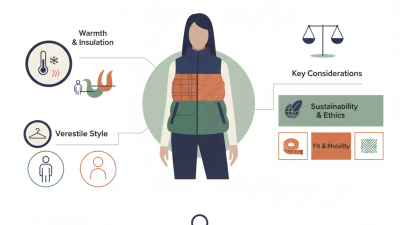
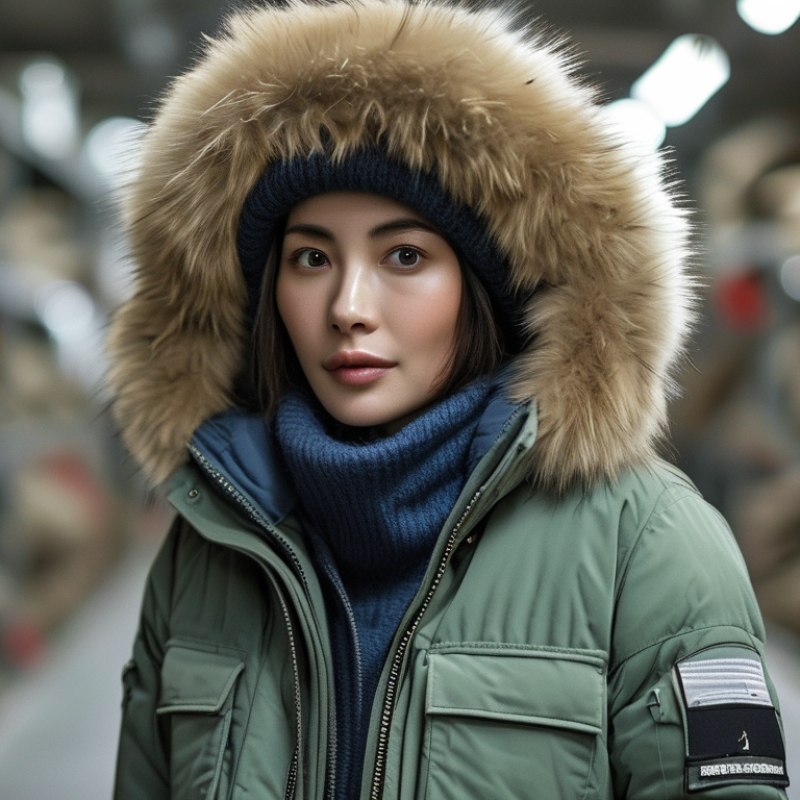
Puffer jackets are popular for their warmth and style. They contain insulating materials, making them ideal for cold weather. Features often include lightweight designs and water-resistant fabrics. These jackets provide comfort without compromising on mobility.
When selecting a puffer jacket, consider the intended use. Will it be for casual outings or outdoor activities? Look for options with adjustable hoods and cuffs. These features enhance the fit and keep out wind and moisture. Quality zippers and pockets also add practicality.
Here’s a tip: always check the fill power. Higher fill power means better insulation and lighter weight. Another piece of advice is to choose breathable materials. This prevents overheating during active use. Lastly, don’t forget to consider color and style. A functional jacket can still be fashionable.
Criteria for Selecting the Best Puffer Jackets for Import
When selecting puffer jackets for import, various criteria should guide your decision-making process. Quality of materials is paramount. Look for jackets made with high-fill down or synthetic insulation. A recent industry study indicates that jackets with a fill power above 600 offer optimal warmth while maintaining lightweight properties. These are often preferred by consumers seeking comfort and durability.
Next, consider the manufacturing processes. Ethical sourcing and production practices are increasingly important to buyers. Reports show that 75% of consumers choose brands that prioritize sustainability. Pay attention to certifications such as OEKO-TEX, which ensures that textiles are free from harmful substances. This aspect may impact your market appeal significantly.
Pricing strategies should also be part of your selection criteria. Recent data suggests that the price range for popular puffer jackets can vary significantly, from $50 to over $200, depending on quality and branding. Aim for a balance between affordability and quality to cater to different consumer segments. It’s crucial to remember that failing to align with market trends could lead to unsold inventory. Monitoring competition and consumer preferences can help inform your import decisions effectively.
Top 10 Puffer Jackets from China: Detailed Descriptions
When searching for quality puffer jackets from China, it's crucial to focus on the details. Look for jackets that feature high-quality insulation materials. This can significantly enhance warmth in cold weather. Pay attention to the fabric used for the outer layer. Breathability and water resistance are important factors to consider. Jackets made with nylon or polyester often offer this combination effectively.
Another aspect to explore is the design and fit. Some jackets come with adjustable hoods, which add versatility. Consider the length of the jacket too; some sit at the hip while others drop lower for added coverage. Internal pockets can be a nice feature, providing secure storage for small items. Reflect on how the colors and patterns resonate with your style. In a saturated market, unique designs can make a difference in appeal.
Quality control is imperative. Poor stitching can lead to jackets falling apart after a few wears. Research manufacturers and read reviews for reliability. There might be variations in sizing, so it's essential to check measurements. Designs may look perfect online, yet the reality can differ. This unpredictability can lead to dissatisfaction. Connecting with suppliers who prioritize quality and customer feedback is a proactive step to ensure you import wisely.
Top 10 Puffer Jackets to Import from China This Year
Trends in Puffer Jacket Design for the Current Year
This year, puffer jacket design has taken a bold turn. Designers emphasize sustainability. Eco-friendly materials are becoming a major trend. Consumers appreciate jackets made from recycled fabrics. This reflects a growing awareness of environmental issues.
Color choices are also evolving. Bright shades dominate the market. Neon colors attract attention and add flair. Many brands experiment with unique patterns and prints. These creative designs appeal to a younger audience. A mix of classic and modern styles creates diversity in offerings.
Additionally, functionality is key. Features like detachable hoods and packable designs are popular. People desire versatile jackets for various occasions. However, simplicity remains vital. Some designs are overcomplicated, losing practicality. Balancing style and wearability is essential for success this year.
Logistics and Challenges in Importing Puffer Jackets from China
Importing puffer jackets from China can be lucrative, yet it's not without challenges.
The global puffer jacket market is expected to reach $9.3 billion by 2025, presenting a significant opportunity for importers.
However, understanding logistics is crucial. Efficiently navigating customs and ensuring timely delivery can be complex. Partnering with a reliable freight forwarder is essential for mitigating shipping delays and unexpected costs.
Many importers underestimate the importance of logistics planning. For example, a report by the International Trade Centre noted that logistical bottlenecks could increase costs by 25%.
Ensure you have a clear import plan before placing orders. Evaluate possible port delays or customs clearance issues in advance.
Tips: Always stay updated on tariffs and regulations.
Prioritize quality assurance by inspecting samples before mass production. Develop strong relationships with suppliers to better manage production timelines and mitigate risks.
Remember, thorough research can save you time and money. It’s essential to reflect on your sourcing strategies regularly.
Identifying areas for improvement will enhance your overall import experience.