2026 Top Men's Jacket Trends for Global Buyers?
As we approach 2026, the landscape of men's jackets is evolving rapidly. Fashion expert John Smith, known for his insights in the men's fashion industry, once stated, "The right jacket can transform any outfit." This statement highlights the significance of men's jackets in modern style.
This year’s trends suggest a blend of classic elegance and contemporary flair. From tailored blazers to oversized styles, choices are abundant. Popular materials like sustainable fabrics are gaining traction, appealing to environmentally conscious consumers. However, not every trend will suit every body type. Buyers need to consider what works for them.
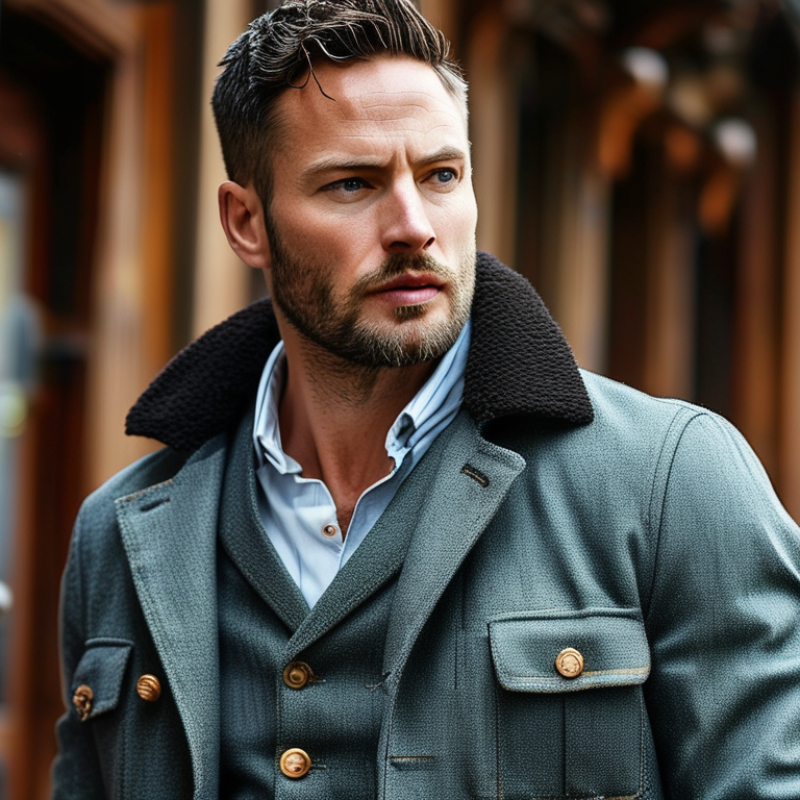
Attention to detail remains crucial in the men's jacket market. Features like unique buttons, distinctive stitching, and innovative pockets are transforming traditional designs. Yet, amid these trends, consumers should reflect on their personal style. Buying impulsively may lead to regret. Focusing on versatility and fit will ensure a wise investment in men's jackets for years to come.
Emerging Fabrics and Materials in Men's Jackets for 2026
As we look toward 2026, the landscape of men's jackets will undergo a notable transformation. Emerging fabrics will play a crucial role in redefining style and functionality. Sustainable materials, such as biodegradable nylon and organic cotton blends, will cater to eco-conscious consumers. These fabrics offer durability while minimizing environmental impact, which resonates strongly in today's market.
Innovative technology will also influence fabric development. Smart textiles are expected to gain traction, incorporating features like temperature regulation and moisture-wicking capabilities. Imagine a jacket that adjusts its insulation based on your body heat. This level of detail could enhance comfort and practicality, making jackets not just an accessory, but a vital part of everyday clothing.
However, manufacturers must reflect on balancing sustainability with performance. While a move toward natural fibers is essential, the challenge lies in ensuring these materials maintain quality. There’s a fine line between innovation and maintaining the reliability of products. As trends evolve, it’s crucial for the industry to consider how to integrate these advancements without compromising on functionality or durability. The path forward is both exciting and uncertain, pushing the boundaries of what men's jackets can be.
Key Color Trends in Men's Jacket Fashion for 2026
In 2026, men's jacket fashion is set to embrace vibrant colors and unique textures. Expect to see bold shades like electric blue, burnt orange, and deep emerald. These colors will dominate, adding excitement to the traditional wardrobe staples. Neutral tones will remain relevant, but they will complement bright accents instead of leading.
Layering will be essential. Mixing textures, like combining leather with soft wool, will create a striking aesthetic. Don’t shy away from unexpected combinations; these can push style boundaries. The use of patterns, like geometric shapes, will also gain popularity. This will offer a fresh twist on classic designs.
In choosing jackets, consider how colors reflect your personality. Wearing bright shades can boost confidence and uplift your mood. For a more subdued look, pair a neutral jacket with a vibrant shirt. Remember, personal expression matters.
Reflect on your wardrobe choices regularly. Are your jackets versatile? A good jacket should work for various occasions. Also, think about maintenance; the right upkeep extends its life. Keep an eye on emerging trends, but always stay true to what resonates with you.
Popular Styles and Cuts of Men's Jackets to Watch in 2026
As we look ahead to 2026, the landscape of men's jackets is evolving, showcasing styles that blend tradition with modern flair. One significant trend is the resurgence of tailored silhouettes. Sharp cuts and crisp lines give a polished appearance, merging comfort with sophistication. Expect to see structured shoulder designs in various fabrics, bringing renewed energy to everyday wear.
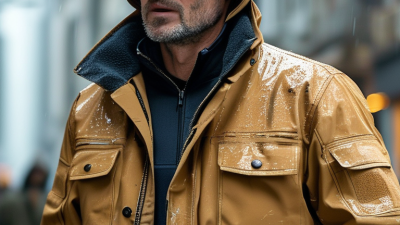
Layering is becoming a critical aspect of men’s fashion. The utility jacket remains popular, characterized by its practical pockets and versatile design. However, it's also finding a new identity, adopting softer materials and vibrant colors. This trend reflects a desire for both practicality and expression. While some may find this shift into bolder designs challenging, it encourages exploration and creativity in personal style.
Oversized jackets are also making waves. Their relaxed fit contrasts with tailored pieces, offering a carefree attitude. While this may not suit every body type, it allows for individual customization. The idea of pairing oversized jackets with fitted bottoms invites new styling opportunities. It's a reminder that fashion is as much about comfort as it is about statement-making.
Sustainable Practices in Men's Jacket Production for 2026
As the fashion industry shifts towards sustainability, men's jacket production is evolving significantly by 2026. The global demand for ethical fashion is on the rise, with a report from McKinsey indicating that 67% of consumers consider sustainability when making purchases. This trend is pushing manufacturers to explore eco-friendly materials such as organic cotton and recycled polyester.
Innovative production methods are becoming crucial. Brands are adopting waterless dyeing techniques, which can save up to 95% of water compared to traditional methods. These practices not only reduce environmental impact but also enhance the quality of the jackets produced. However, challenges remain, as sustainability often comes with higher production costs. Many companies are still grappling with balancing consumer price sensitivity and ethical practices.
Transparency is also a key factor in this shift. A study by the Fashion Institute of Technology shows that 73% of consumers are willing to pay more for products from brands that disclose their sourcing and manufacturing processes. Yet, many brands fail to provide this information. This lack of transparency can lead to consumer distrust, making it imperative for manufacturers to communicate their sustainable practices effectively. Addressing these issues is vital for the future of sustainable men's jackets.
Global Market Insights: Regional Preferences for Men's Jackets in 2026
As we look ahead to 2026, men's jacket trends will undoubtedly reflect regional preferences. In North America, functional outerwear will dominate. Jackets that combine style with practicality will appeal to urban buyers. These consumers will seek versatile designs suitable for both work and leisure. Expect to see layering as a key trend, with lighter materials used for comfort during transitional seasons.
In contrast, European buyers may gravitate toward tailored options. The emphasis will be on chic silhouettes and high-quality fabrics. Classic colors like navy and olive will prevail, resonating with those who favor timeless styles over fleeting trends. Sustainability will also be a major consideration. Eco-friendly materials will gain traction, appealing to the environmentally conscious shopper.
In Asia, bold colors and innovative designs will be favorites. Buyers here will not shy away from statement pieces that reflect individuality. While functionality remains important, the focus on aesthetics will drive purchasing decisions. Understanding these diverse preferences will be essential for global brands aiming to capture the market effectively. Balancing style, sustainability, and regional tastes will pose a challenge, yet it offers great opportunity for growth.
2026 Top Men's Jacket Trends for Global Buyers
| Region |
Popular Material |
Color Trend |
Style Preference |
Price Range ($) |
Sustainability Focus |
| North America |
Leather, Denim |
Earth Tones |
Casual, Bomber |
100 - 300 |
Recycled Materials |
| Europe |
Wool, Technical Fabrics |
Navy Blue, Grey |
Tailored, Trench |
150 - 400 |
Organic Sourcing |
| Asia-Pacific |
Polyester, Cotton Blends |
Vibrant Colors |
Streetwear, Casual |
50 - 200 |
Eco-Friendly Dyes |
| Latin America |
Canvas, Leather |
Bright Colors |
Functional, Relaxed |
80 - 250 |
Local Production |
| Middle East |
Silk, Lightweight Fabrics |
Pastel Shades |
Traditional, Modern |
100 - 300 |
Sustainable Practices |