What Is a Puffer Jacket?
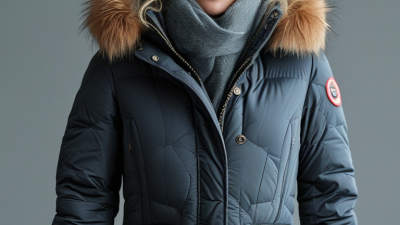
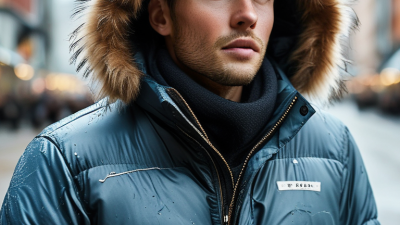
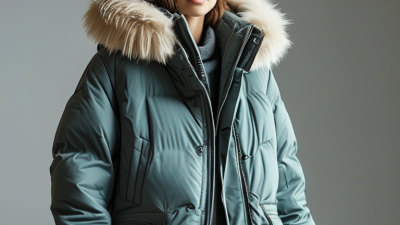
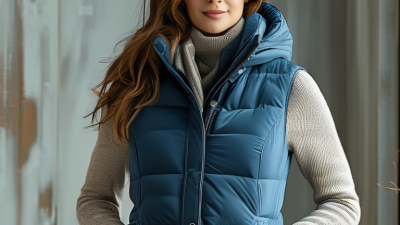
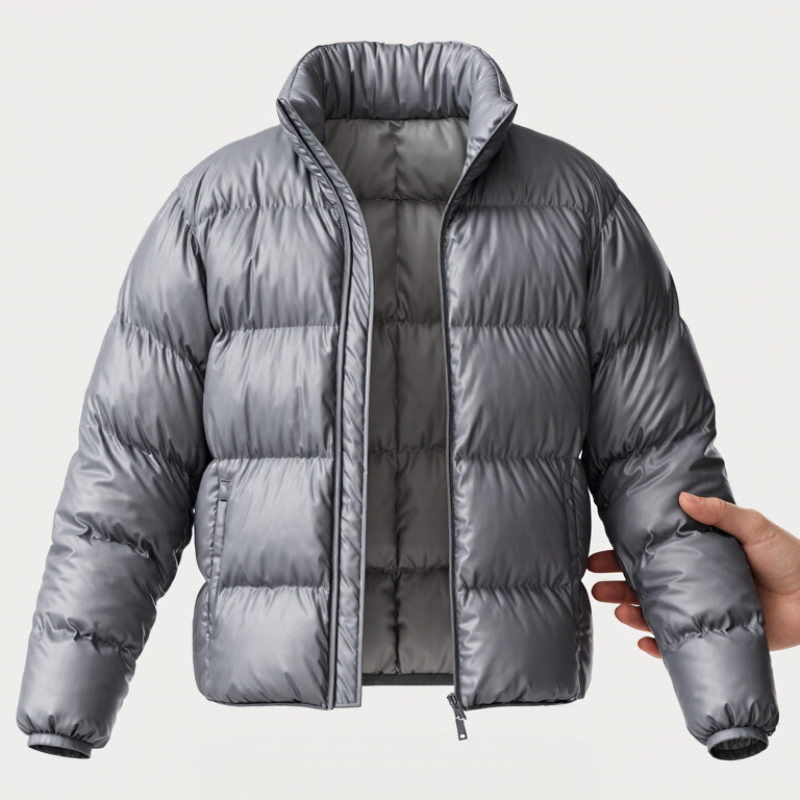
A Puffer Jacket is more than a coat with padded sections. Its stitched compartments hold down or synthetic insulation, creating loft that traps still air and helps slow heat loss. You can see the structure in the raised channels across the body and sleeves. Touch the fabric, and you may notice how a light shell contains a surprisingly lofty layer. But warmth depends on more than thickness. Fit, insulation type, construction, and weather all matter.
Textile engineer Dr. Mark Miodownik is a recognized materials expert, but I can’t verify a published statement from him specifically about Puffer Jackets. Rather than invent a quotation, here is an editorial summary of the relevant principle: “Loft helps trap warmth, while thoughtful construction keeps insulation in place.” It is a useful starting point, not a complete buying rule. A roomy jacket may leave space for layers, yet excessive gaps can let cold air circulate. A close-fitting one may feel warmer, but restrict movement.
This guide explains what makes a Puffer Jacket distinctive, how down and synthetic fills differ, and what to check before choosing one. It also looks at care, fit, and everyday use. There is no single best option for everyone. A jacket that feels ideal on a dry city commute may disappoint on a damp trail. Knowing the construction helps you choose with clearer expectations—and notice what a product description leaves unsaid.
Definition and Purpose of a Puffer Jacket
A puffer jacket is an insulated coat sewn into chambers, often called baffles, that hold down or synthetic fill in place. The fill traps pockets of air, which slow heat loss and help keep the wearer warm. Its defining feature is the quilted, padded construction—not a particular length or hood. Some puffers are light enough for a cool walk; others are built for freezing conditions. They work best over dry layers, with a shell added when wind or rain is a concern.
Fill power helps describe down’s loft, but it does not tell the whole warmth story. IDFL’s down-testing guidance reports fill power in cubic inches per ounce: a 600 fill-power sample expands to about 600 cubic inches under test conditions. More loft can provide efficient insulation, yet fill weight, baffle design, fit, and fabric also matter. Loft matters. The Outdoor Industry Association’s 2024 participation report counted 175.8 million U.S. outdoor recreation participants in 2023, a reminder that jackets serve varied activities and conditions. A warm coat can still feel clammy during a brisk climb, and a loose fit may let cold air in. Choosing a puffer means matching insulation and weather protection to how—and where—you plan to wear it.
What Is a Puffer Jacket? — Definition and Purpose
A puffer jacket is an insulated jacket with stitched or baffled sections that hold down or synthetic fill. The fill traps air to help retain body heat. This chart shows common down fill-power ratings, measured in cubic inches of loft per ounce of down.
How to read it: Higher fill power means more loft for the same weight of down. It is one measure of insulation efficiency, not a direct measure of a jacket’s total warmth.
Common Insulation Types and Materials
What Is a Puffer Jacket?
Common Insulation Types and Materials
A puffer jacket traps air inside stitched or bonded sections, creating a layer that slows heat loss. Its warmth depends on the insulation, how much is used, and how well the jacket fits. A close fit helps retain warmth, but tight layers can compress insulation. The terminology can be confusing: shell fabric protects the filling, but does not provide most of the warmth.
Down insulation uses soft clusters from waterfowl. It is lightweight and compressible, and its fill power describes how much space a given weight occupies. Higher fill power can offer more loft, but does not alone determine warmth. Down can lose insulating ability when soaked and may take longer to dry. Synthetic insulation, often made from polyester fibers, usually handles damp conditions better and dries faster. It may feel heavier or bulkier for similar warmth. Some jackets use recycled fibers. Neither option is perfect.
Tips: Check the care label and think about your usual weather. For wet commutes, synthetic fill may be practical; for cold, dry trips, down can pack small. Compare garment weight and fit, too. Ratings are useful, but real comfort varies.
Design Features That Affect Warmth
A puffer jacket works by trapping air inside its insulation. The more effectively the jacket holds still air, the less body heat escapes. The stitching matters. Narrow baffles can limit how far insulation shifts, but seams may also create thin spots where cold can seep through. Wider chambers allow more loft, though their insulation can bunch if the jacket is poorly constructed.
The type and amount of fill both affect warmth. Down clusters tend to provide substantial loft for their weight, while synthetic fill often retains more insulating ability when damp. Fill power describes how much space down occupies, not how much insulation the jacket contains. A high number alone does not guarantee a warmer coat. Total fill weight, chamber design, and fit matter too. This is easy to misjudge when comparing jackets by one figure.
Small details make a noticeable difference outdoors. A snug, adjustable hood can reduce heat loss around the head, and elastic cuffs help keep cold air from sliding up the sleeves. A hem that seals comfortably can help on windy walks. But a tight fit may compress the fill and reduce its loft; too much room can let warm air escape. There is no perfect layout for every person or activity. Wet weather, layering, and how long you stay outside can change what feels warm.